Travel smarter in the US
Which parts of town to avoid, and when.
Street-level safety guides for 356 American cities. No scare lists: just the corridors, transit hubs and hours where your odds change, and what to do about it.
Popular city guides
All states → New York
 Los Angeles
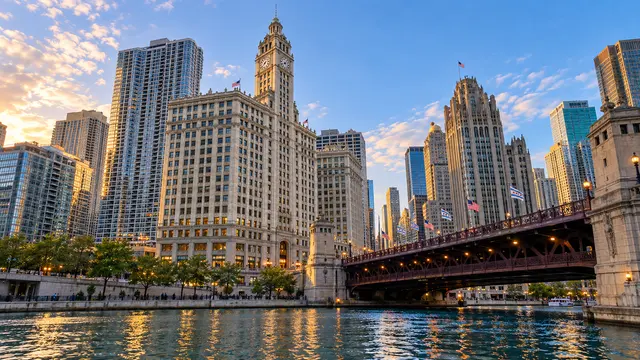 Chicago
 Miami
 Las Vegas
 San Francisco
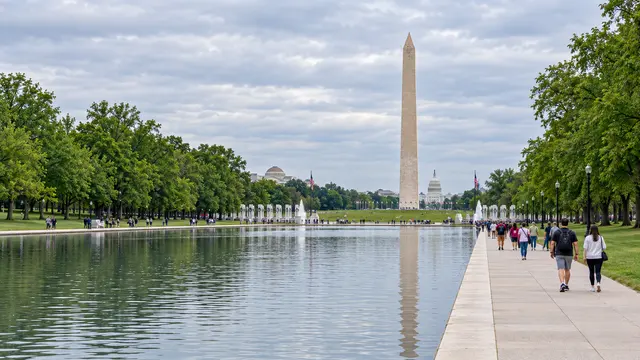 Washington
 New Orleans
Browse by state
51 states · 356 cities- ALAlabama5 cities
- ARArkansas2 cities
- DEDelaware2 cities
- DCDistrict of Columbia1 city
- FLFlorida27 cities
- GAGeorgia8 cities
- KYKentucky2 cities
- LALouisiana4 cities
- MDMaryland1 city
- MSMississippi1 city
- NCNorth Carolina10 cities
- OKOklahoma4 cities
- SCSouth Carolina3 cities
- TNTennessee6 cities
- TXTexas44 cities
- VAVirginia8 cities
- WVWest Virginia2 cities
How to read these guides
Safety without the scare tactics
A city is not one crime rate. In most American cities, risk concentrates in a handful of blocks, corridors and time windows, while the rest of the map is ordinary. Our guides show you exactly where those pockets are, so you can plan around them instead of writing off an entire city.
Every guide follows the same structure: the areas that call for extra care, why they earned that reputation, the hours when things change, and the practical habits that lower your risk. Where it helps, we add local tips, transport advice and emergency contacts.
How we build each guide- 01
Blocks, not neighborhoods
Crime rarely covers a whole district. A rough stretch can sit two streets from a perfectly calm one, so we name specific corridors and landmarks instead of blacklisting entire areas.
- 02
Time changes everything
The same plaza can be busy and safe at noon and empty at 2 a.m. We flag when an area changes character, especially around nightlife, transit stations and closing time.
- 03
Know the likely risk
For most visitors the real threat is property crime, not violence: car break-ins, phone snatching and distraction scams. Each guide says what is most common, so you protect against the right thing.
- 04
Habits beat fear
Parking in lit lots, keeping valuables out of sight and taking a rideshare late at night prevent most problems. We focus on simple precautions that work, not on reasons to cancel your trip.
FAQ
Questions travelers ask us
Straight answers about safety in American cities, how the guides are made and what to do if something goes wrong.
Is the United States safe for tourists?
For the vast majority of visitors, yes. Most trips to American cities end without any incident. Where problems happen, they tend to cluster in specific blocks and at specific hours, and they are usually property crimes such as car break-ins or phone theft rather than violence. Knowing where and when to take extra care removes most of the risk.
How do you decide which neighborhoods to include?
Each guide focuses on the areas that consistently come up as higher risk in public crime reporting, local news coverage and what residents say about their own city. We describe the specific corridors, landmarks and time windows involved rather than labelling whole neighborhoods, and we always point out the safer areas too.
Should I avoid these neighborhoods completely?
Not necessarily. Many of the areas we mention are home to great food, history and friendly people, and they are perfectly fine during the day. The point of the guides is to show you when and where to be more careful, which streets to use, and when a rideshare is the smarter option.
How often are the guides updated?
Guides are reviewed and updated regularly, and every page shows the date of its last update. Conditions in a city can change quickly, so it is always worth checking local news and official sources shortly before you travel.
What should I do if something happens?
In an emergency anywhere in the United States, call 911. If you are robbed, hand over what is asked for and do not resist: belongings can be replaced. Report the incident to local police afterwards, contact your bank to block cards, and if you are a foreign visitor, let your embassy or consulate know.