


FL · 27 cities
Dangerous neighborhoods in Florida
Florida recorded 248 violent crimes per 100,000 residents in 2025, 25% below the national rate and down 23% since 2022. Of the 27 cities we cover, Fort Lauderdale, Gainesville and Tallahassee have the highest rates and Boca Raton the lowest. Each guide breaks down the specific blocks, transit points and hours where a little more attention pays off.
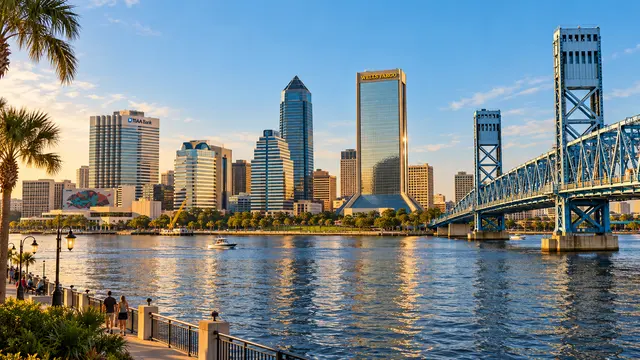 Jacksonville
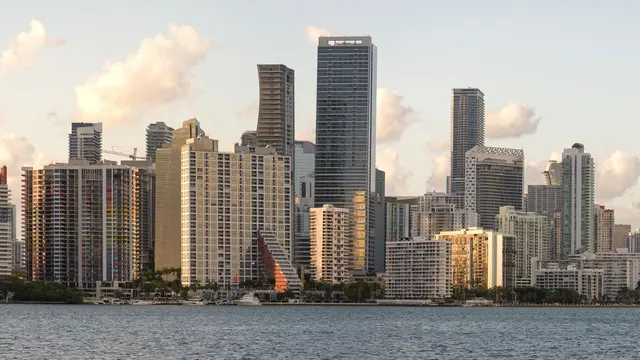 Miami
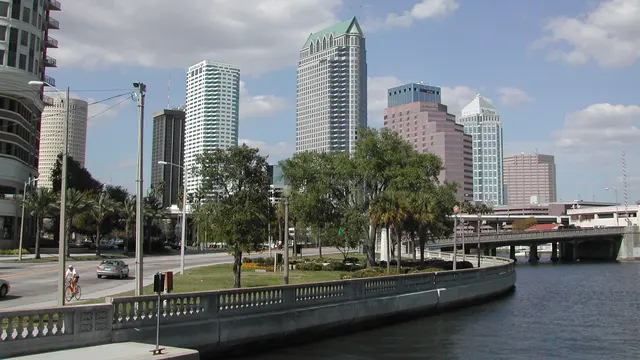 Tampa
 Orlando
 Boca Raton
 Cape Coral
 Clearwater
 Coral Springs
 Davie
 Deltona
 Fort Lauderdale
 Gainesville
 Hialeah
 Hollywood
 Lakeland
 Miami Gardens
 Miramar
 Palm Bay
 Palm Coast
 Pembroke Pines
 Plantation
 Pompano Beach
 Port St. Lucie
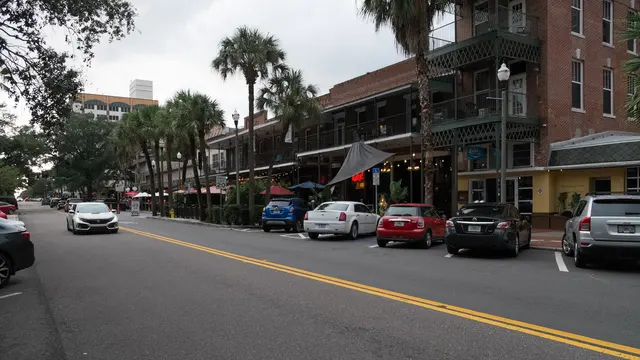 St. Petersburg
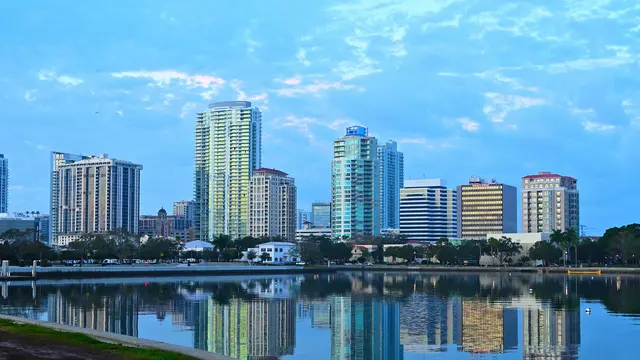 Sunrise
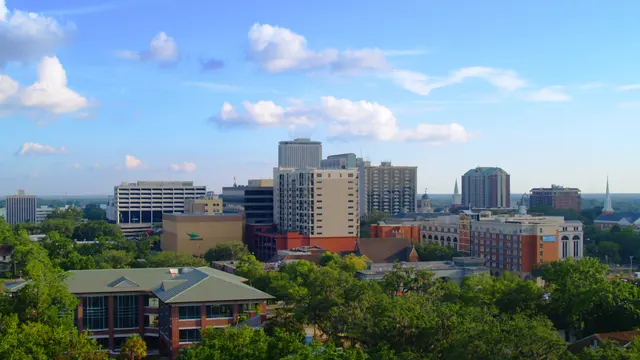 Tallahassee
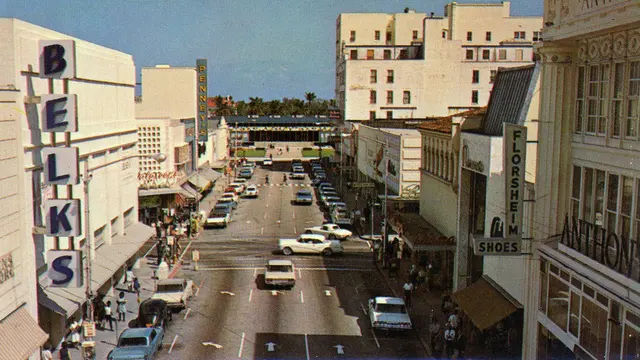 West Palm Beach
FBI data · 2025
Most dangerous cities in Florida, ranked
The 16 Florida cities we cover, ordered by their official violent crime rate: murders, rapes, robberies and aggravated assaults per 100,000 residents. 11 of 16 run above the state average of 248. A high citywide rate doesn't make a whole city unsafe: crime clusters in a few areas, and each guide above shows where.
- 1
Fort Lauderdale
672 violent crimes per 100k
2.7× the state average
- 2
Gainesville
634 violent crimes per 100k
2.6× the state average
- 3
Tallahassee
630 violent crimes per 100k
2.5× the state average
| # | City | Violent per 100k | Property per 100k | Population |
|---|---|---|---|---|
| 1 | Fort Lauderdale | 672 | 3,290 | 191,199 |
| 2 | Gainesville | 634 | 2,199 | 150,376 |
| 3 | Tallahassee | 630 | 2,381 | 206,918 |
| 4 | West Palm Beach2024 | 574 | 2,163 | 126,427 |
| 5 | Jacksonville | 519 | 2,173 | 1,008,920 |
| 6 | Lakeland | 370 | 1,540 | 127,935 |
| 7 | Miami Gardens | 362 | 1,803 | 117,389 |
| 8 | Miami | 359 | 2,243 | 498,792 |
| 9 | Tampa | 333 | 991 | 421,313 |
| 10 | Palm Bay | 275 | 836 | 148,091 |
| 11 | Clearwater | 254 | 1,419 | 116,679 |
| 12 | Davie2023 | 229 | 2,052 | 106,759 |
| 13 | Miramar2023 | 176 | 1,097 | 138,613 |
| 14 | Hialeah | 173 | 1,371 | 238,769 |
| 15 | Coral Springs | 119 | 888 | 141,436 |
| 16 | Boca Raton | 113 | 1,285 | 103,261 |
| Florida average | 248 | 1,074 | ||
| US average | 330 |
Safest cities in Florida we cover
At the other end of the list, these have the lowest violent crime rates of the 16 cities in this ranking.
- Boca Raton113 per 100k · 54% below the state average
- Coral Springs119 per 100k · 52% below the state average
- Hialeah173 per 100k · 30% below the state average
Source: FBI Crime Data Explorer, offenses reported by each city's police department per 100,000 residents; most cities use 2025 data, and a small year next to a name marks a different latest complete year. Only cities with a neighborhood guide are included, and years with incomplete reporting are left out. Not enough reliable data to rank: Cape Coral, Deltona, Hollywood, Orlando, Palm Coast, Pembroke Pines, Plantation, Pompano Beach, Port St. Lucie, St. Petersburg, Sunrise. How we rank cities.
Florida crime: frequently asked questions
What is the most dangerous city in Florida?
Of the 16 Florida cities in our ranking, Fort Lauderdale has the highest violent crime rate: 672 offenses per 100,000 residents in 2025, 2.7 times the state average. Gainesville and Tallahassee come next. Even in Fort Lauderdale, crime is concentrated in a few areas, and our Fort Lauderdale guide shows which ones.
What is the safest city in Florida?
Among the cities we rank, Boca Raton has the lowest violent crime rate, at 113 per 100,000 residents in 2025, 54% below the state average. Coral Springs follows with 119. A low citywide rate doesn't mean every block is the same, but day-to-day risk is lower.
Is Florida safe to visit?
For most visitors, yes, with ordinary precautions. Florida recorded 248 violent crimes per 100,000 residents in 2025, 25% below the national rate of 330. Crime is concentrated in specific neighborhoods and hours rather than spread evenly, so knowing where those areas are matters more than the statewide figure; our 27 city guides cover them block by block.
Which Florida cities have above-average crime?
11 of the 16 cities we rank have a violent crime rate above the Florida average of 248 per 100,000 residents: Fort Lauderdale, Gainesville, Tallahassee, West Palm Beach, Jacksonville, Lakeland, Miami Gardens, Miami and 3 more. The other 5 are below it.
Is crime going up or down in Florida?
Violent crime in Florida went from 323 offenses per 100,000 residents in 2022 to 248 in 2025, down 23%. Property crime went from 1,447 to 1,074 over 2022–2025, down 26%.
Where do these crime figures come from?
From the FBI Crime Data Explorer, which collects the offenses reported by each police department. Rates are offenses per 100,000 residents, so cities of different sizes can be compared, and years with incomplete reporting are left out. Our methodology explains the details.