
Dangerous Neighborhoods in Columbus, Georgia
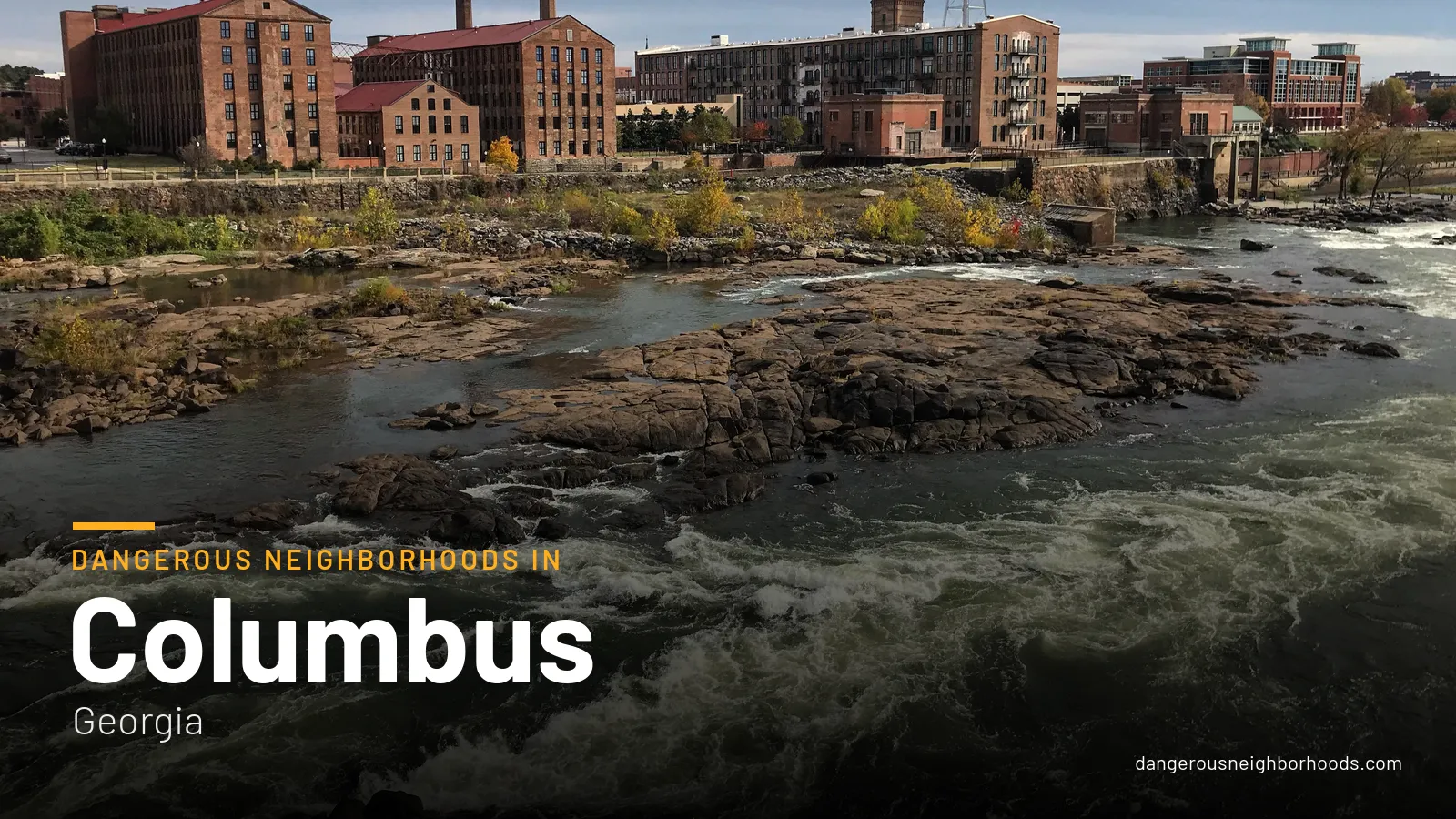
Welcome to the Fountain City, a place where deep Southern hospitality meets a rapidly shifting urban environment. When tourists ask if is Columbus safe, the truth usually lies somewhere between its beautiful riverfront and its rougher edges.
You will find plenty of historical charm here, but ignoring the bad areas in Columbus can quickly turn a good trip sour. It is entirely possible to enjoy your vacation if you stick to the right streets.
Knowing exactly where to tread makes the difference between a memorable weekend and a police report. This guide will map out the dangerous parts of Columbus so you can stay completely out of trouble during your visit.
Understanding the local street dynamics
Much of the city's modern layout reflects decades of economic shifts and the massive military influence from nearby Fort Moore. This rapid transition left some districts struggling with serious poverty and neglected infrastructure.
While the downtown sector has seen an incredible revitalization, poverty crept deeply into the surrounding residential pockets. Many locals will tell you that the contrast between affluent blocks and rundown streets is jarringly sharp.
The reality is that property crime drives most of the statistics in these transitional zones. If you wander without a clear destination, you might stumble into sketchy territory without even realizing it.
Exploring the roughest districts of Columbus
Before venturing off the main drag, you need to understand which zones pose a genuine risk to unwary outsiders. The worst neighborhoods in Columbus share a common thread of high property crime and occasional localized gang violence.
Areas to avoid
Safer areas to stay
Circles show approximate areas, not exact borders. Tap a zone for details.
East Wynnton
Located not too far from Midtown, this area often looks deceptively calm during the daylight hours. However, the lack of street lighting and high volume of unsolved property thefts make it a risky spot for parked rental cars.
Beallwood
Beallwood has a long history of being a tight-knit community, but modern economic struggles have taken a heavy toll. Visitors wandering away from the main commercial arteries frequently encounter unwanted aggressive panhandling or worse.
The primary danger is getting caught in the crossfire of localized territorial disputes. You should definitely consider this one of the areas to avoid in Columbus if you do not have a specific local contact.
Lindsey Creek
This neighborhood sits near major highways, which unfortunately makes it a prime spot for quick-escape crimes. You will quickly notice that many of the local convenience stores operate behind bulletproof glass after dusk.
If you take a wrong turn off Buena Vista Road at night, just keep your doors locked and keep driving without stopping.
The atmosphere changes drastically depending on which street corner you happen to be standing on. It is highly recommended to stick to the major thoroughfares when passing through this sector.
Snapshot of urban risk levels
| District profile | Threat level | Primary concern |
|---|---|---|
| Oakland Park | High | Violent crime |
| East Wynnton | Moderate-High | Vehicle break-ins |
| Beallwood | High | Street muggings |
| Lindsey Creek | Moderate | Armed robberies |
Which is the most dangerous neighborhood in Columbus?
When analyzing crime data and local sentiment, it becomes clear that Oakland Park takes the top spot for violent incidents.
Located in the southern portion of the city, this district sees frequent police activity and emergency medical responses. Walking through here is universally discouraged by residents who know the street dynamics firsthand.
Never attempt to walk through the Oakland Park alleys after sunset under any circumstances. The risk of gang-related confrontation is simply too high for any tourist to justify the shortcut.
Citywide crime at a glance
How Columbus compares as a whole
Official FBI figures for the entire city, not a single neighborhood: offenses per 100,000 residents in 2024, reported by the Columbus Police Department. Crime is concentrated in a few areas, so most of the city sits well below these averages.
Violent crime
614 per 100k
1.7× the US rate
-15% since 2023
Murder, rape, robbery and aggravated assault · 1,234 offenses in 2024
Property crime
1,915 per 100k
1.2× the US rate
-32% since 2023
Burglary, theft, vehicle theft and arson · 3,841 offenses in 2025
Source: FBI Crime Data Explorer. Dashed line: US average. No complete data for 2021, 2022, 2025. Police jurisdiction may not match city limits exactly. How we use this data
The epidemic of vehicle break ins
Violent crime gets the nightly headlines, but property crime is what actually ruins a tourist's weekend trip. Columbus has a notoriously high rate of smash and grab thefts in seemingly safe commercial parking lots.
Thieves specifically target out-of-state license plates and unmarked rental cars parked near major attractions or local hotels. Leaving a simple phone charger plugged into the dashboard is all the excuse they need to strike.
Mastering urban survival techniques
Remaining incident-free in this city requires a strict blend of situational awareness and common sense. Following some basic Columbus safety tips will drastically lower your chances of becoming a statistical blip.
- Always maintain a confident posture to avoid looking like a target.
- Keep your digital map volume down so you do not broadcast that you are lost.
- Park your vehicle in monitored garages rather than isolated street parking spots.
- Trust your gut if a block suddenly feels abandoned or overly hostile.
- Ask your hotel concierge about the exact routes to safely reach your dining destinations.
Crucial dos and donts
Memorize these quick operational rules to keep your trip smooth and entirely secure.
Do
- Utilize rideshare apps when leaving bars late at night.
- Keep your wallet securely inside your front pocket at all times.
Don't
- Flash expensive jewelry when walking through downtown alleyways.
- Engage with aggressive panhandlers who block your walking path.
Surviving the streets after dark
The general atmosphere of the urban core shifts dramatically once the streetlights flicker on. Areas that were bustling with office workers quickly become desolate and deeply unpredictable.
Downtown is fine until about 2 AM, but after the clubs let out, the vibe gets incredibly sketchy.
If you are out enjoying the local nightlife, coordinate your transportation before the venue officially closes. Lingering on the dark sidewalk while waiting for a taxi is a classic rookie traveler mistake.
Handling crisis situations and transit
Getting around safely means knowing exactly who to call and how to quickly escape a bad spot. Public transit exists, but it is not always the most reliable escape route during an emergency.
- EmergencyAlways dial 911 for immediate life-threatening events, but know your exact cross streets.
- MedicalThe Piedmont Columbus Regional Hospital is your absolute best bet for urgent medical trauma care.
- Getting aroundRely heavily on Uber or Lyft rather than waiting at exposed public bus stops.
- AppsKeep a backup battery bank because a dead phone is a massive security liability.
Identifying the most secure areas in Columbus
Despite the gritty reputation of certain districts, there are plenty of excellent, highly patrolled places to spend your time. Staying in the right part of town will guarantee a stress free vacation.
Uptown Columbus
The downtown area, locally known as Uptown, is heavily policed and highly gentrified. You can enjoy the incredible river walk and outdoor dining while feeling completely insulated from street violence.
Green Island Hills
Situated safely in the northern part of the city, this affluent enclave is incredibly quiet and secure. It is the perfect residential retreat if you want to escape the urban noise entirely.
Debunking urban legends and street slang
You might hear older locals refer to the "Spider Web," a historic nickname for a confusing network of streets near South Lumpkin. While the name sounds terrifying, it is mostly an outdated geographical joke rather than an active death trap.
Many outsiders falsely assume that any area near the massive military base is inherently rowdy and dangerous. In reality, the heavy military police presence actually keeps the main thoroughfares orderly.
Frequently asked questions about local security
Still have doubts? These specific answers will help you navigate the city confidently.
Is it safe to walk at night in Columbus?
If you are strolling in the Uptown riverfront area, it is generally fine until around midnight. However, walking blindly through residential neighborhoods after dark is highly discouraged for all tourists.
Are the bad areas in Columbus easily identifiable?
Yes, the visual transition from gentrified tourist zones to neglected streets is usually obvious. You will quickly notice a severe lack of streetlights and boarded up commercial properties.
Is public transportation secure for visitors?
The municipal bus system is completely adequate during daylight hours but can attract erratic behavior at night. It is much smarter to rely on private rideshares for all of your evening travel.
Do I need to worry about gang activity?
While localized illicit groups absolutely exist, they rarely target random tourists out of nowhere. As long as you avoid trying to buy illegal substances, you will stay off their radar completely.
Preparing for a secure trip down south
Traveling to this unique part of Georgia offers a fantastic mix of military history, great food, and southern charm. As long as you respect the established local boundaries, your trip will be memorable for all the right reasons.
Keep your head on a swivel, park your rental car strategically, and never let your raw curiosity override your basic common sense. By steering completely clear of the roughest blocks, you are guaranteed an amazing southern experience.
Stay sharp, enjoy the incredible local barbecue joints, and travel safely through the state!
This guide is general safety information, not a guarantee of safety. Conditions change; check local news and official sources before you go. In an emergency, call 911.