Dangerous Neighborhoods in Wichita
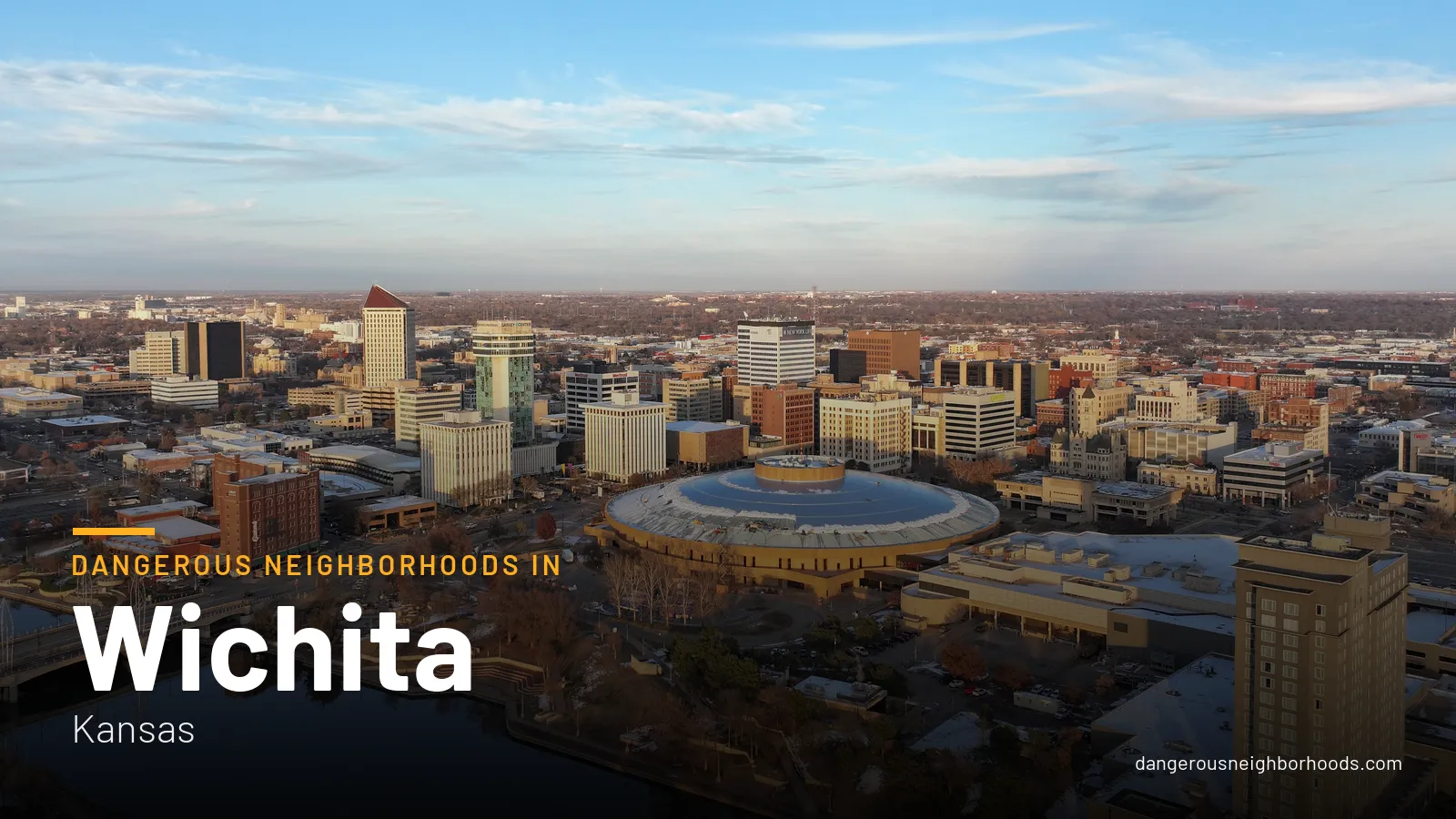
When you think of Kansas, you probably imagine endless wheat fields and yellow brick roads, but the Air Capital of the World has a distinctly gritty side. Figuring out if is Wichita safe depends entirely on which side of the tracks you find yourself after the sun goes down. Like any midwestern industrial hub, this city has pockets of poverty that fuel property crime and drug activity on a daily basis.
Most visitors stick to the revamped downtown or the upscale east side without ever crossing paths with trouble. However, if you take a wrong turn down south or wander too far down the wrong avenue, you will quickly discover the bad areas in Wichita. It is a city of stark contrasts where a beautiful historic district can sit just a few blocks from undeniable urban decay.
Behind the midwestern charm
The roots of crime in Wichita run deep into its history as an aviation powerhouse. During the boom years, the city built massive swaths of temporary housing for bomber plant workers. Decades later, those "temporary" structures became permanent, low-income rental traps that fostered generations of generational poverty and neglect.
When the aviation industry took hits and layoffs swept the city, the working-class neighborhoods bore the brunt of the economic collapse. Today, the underlying driver for the worst areas in Wichita is a combination of methamphetamine addiction and economic desperation. People aren't out looking for violent turf wars; they are looking for quick cash.
You will notice a distinct divide between the east and west sides, but the real issues are usually concentrated in the south central parts of the city. The contrast is jarring, and crossing a single major intersection can mean leaving a well-kept suburban paradise and entering a forgotten corridor of dilapidated motels and overgrown yards.
The roughest zones in Wichita
If you are looking to map out the worst neighborhoods in Wichita, you need to focus heavily on the southern half of the city. The following areas are where the bulk of police dispatches occur.
Areas to avoid
Circles show approximate areas, not exact borders. Tap a zone for details.
South Broadway corridor
This isn't a traditional residential neighborhood, but the stretch of South Broadway is undeniably one of the most visible areas to avoid in Wichita. Lined with crumbling motels and abandoned storefronts, it is the epicenter for street-level prostitution and illicit drug sales.
During the day, it just looks economically depressed, but after dark, the sidewalks become highly active with transient populations. You should absolutely avoid walking this stretch at night, as erratic behavior from substance abusers is the norm.
Planeview
Originally built as temporary federal housing in the 1940s, Planeview was never meant to last into the 21st century. The densely packed, aging infrastructure makes it a hotbed for property theft and gang affiliations.
The streets are winding and confusing, making it easy for an outsider to get turned around. While violent crime here is mostly targeted between individuals who know each other, the chance of having your car broken into is incredibly high if you leave anything of value visible.
Hilltop
Bordering the more stable areas of the southeast side, Hilltop struggles with similar historical baggage as Planeview. It features cramped housing units and a long-standing reputation for residential burglaries.
The community has made efforts to clean up the streets, but chronic issues with petty theft persist. It is definitely one of the dangerous parts of Wichita if you lack basic situational street smarts.
If you leave anything visible in your car around South City or Hilltop, it's basically a donation to the local pawn shop.
Oaklawn-Sunview
Technically located just outside the city limits in Sedgwick County, Oaklawn functions as an extension of south Wichita's gritty underbelly. It is notoriously rough, with methamphetamines driving a severe petty crime rate.
Law enforcement presence is constant here, yet the cycle of theft and drug arrests rarely slows down. It is not an area you would ever visit as a tourist, so keeping your distance is highly recommended.
Risk overview snapshot
| Neighborhood | Risk Level | Main Threat |
|---|---|---|
| South Broadway | High | Drug activity, transient crime |
| Planeview | High | Auto theft, gang presence |
| Oaklawn | Moderate-High | Residential burglary, meth |
Which is the most dangerous neighborhood in Wichita?
Based on historical crime data and local consensus, Planeview holds the title for the most notoriously rough area in the city. The dense layout of decaying duplexes and poverty creates a highly challenging environment for both residents and law enforcement.
While the city has invested money into a new community center and park renovations, the core issues of drug trafficking and property crime remain deeply entrenched. If you are a visitor, there is zero logistical reason to enter this maze-like neighborhood.
Auto theft is particularly rampant, and outsiders driving expensive vehicles tend to stick out immediately. It serves as a stark reminder that urban decay is very real even in the heart of the great plains.
Citywide crime at a glance
How Wichita compares as a whole
Official FBI figures for the entire city, not a single neighborhood: offenses per 100,000 residents in 2025, reported by the Wichita Police Department. Crime is concentrated in a few areas, so most of the city sits well below these averages.
Violent crime
1,210 per 100k
3.7× the US rate
+4% since 2021
Murder, rape, robbery and aggravated assault · 4,861 offenses in 2025
Property crime
4,649 per 100k
3.0× the US rate
+3% since 2021
Burglary, theft, vehicle theft and arson · 18,675 offenses in 2025
Source: FBI Crime Data Explorer. Dashed line: US average. Police jurisdiction may not match city limits exactly. How we use this data
The rampant meth and property theft connection
To understand the danger here, you have to understand the midwestern meth epidemic. The vast majority of crime you will encounter isn't a targeted mugging; it is crimes of opportunity to fund a habit.
Catalytic converter thefts, smashed car windows, and stolen bicycles are the bread and butter of Wichita's underworld. Criminals here operate with a brazen sense of urgency, often stripping parts from cars parked right in front of heavily lit storefronts.
They can strip a cat converter faster than a pit crew changes a tire out here.
How to keep your stuff safe
Defeating these crimes requires a proactive mindset. If you are parking at a hotel, always ask the front desk if they have camera surveillance covering the lot.
Never leave luggage, loose change, or charging cables visible on your passenger seats. When parking on the street, try to park directly under a streetlamp to deter casual window smashers.
Where you actually want to stay
Wichita has some incredibly beautiful and safe districts that offer a completely different experience. The historic College Hill neighborhood is highly recommended, featuring brick-lined streets, massive trees, and gorgeous architecture.
Riverside is another excellent pocket, nestled along the Arkansas River with great parks and a quirky, bohemian vibe. Staying in these areas means enjoying a peaceful night's sleep without worrying about your rental car.
The upscale east side, particularly around Bradley Fair and the Waterfront, offers modern, corporate-level safety. You will find higher-end hotels here that are perfectly insulated from urban noise.
Surviving the night scene in Wichita
The nightlife in this city is primarily concentrated in Old Town, a renovated warehouse district full of bars, clubs, and restaurants. While it is heavily patrolled and generally safe early in the evening, the vibe changes drastically when the bars let out at 2 AM.
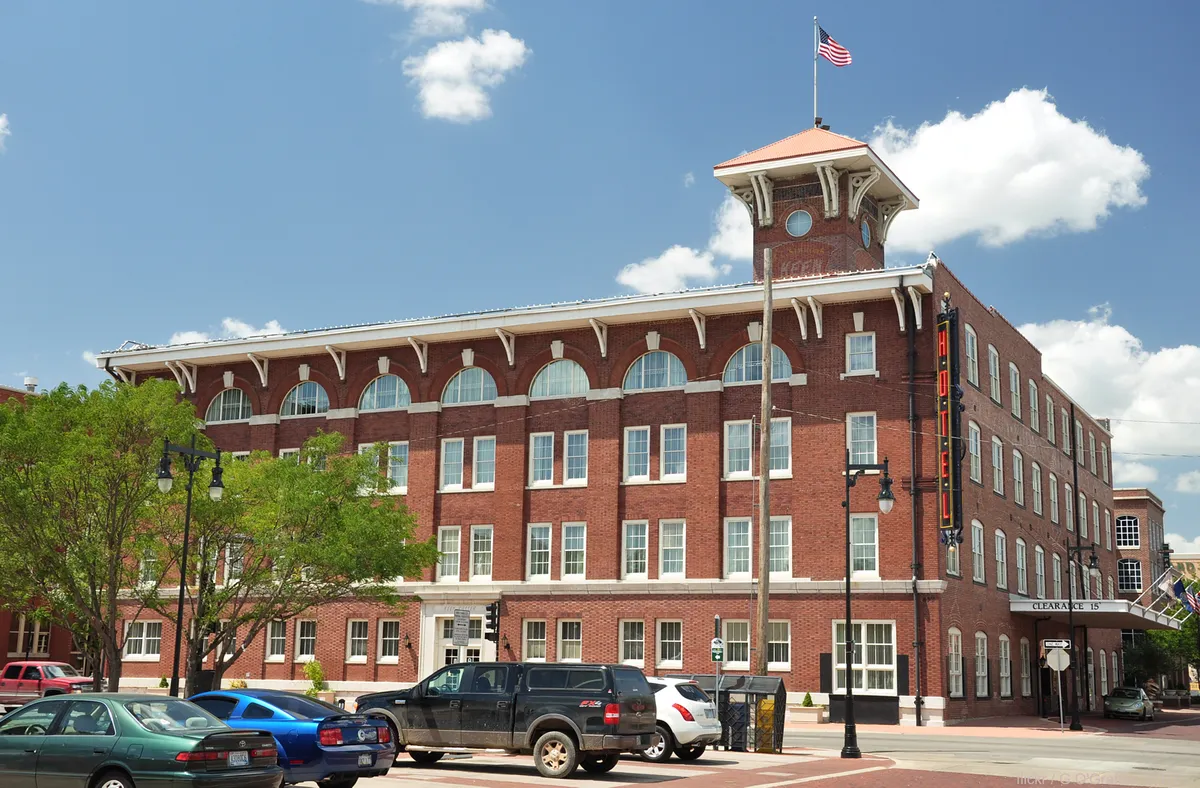
Alcohol-fueled fights and occasional parking lot altercations are common weekend occurrences. To stay out of trouble, simply head to your Uber promptly instead of lingering on the street corners eating late-night pizza.
Navigating the city and who to call
Getting around Wichita is notoriously car-dependent. Public transit exists, but it is deeply inefficient and not tailored for tourists. You will definitely need a rental car or rideshare app to survive here.
- EmergencyEmergency Services: Dial 911 for immediate danger, but keep the non-emergency police number handy for reporting vehicle break-ins.
- Getting aroundHighway driving: Kellogg (US-54) is the main artery dividing north and south, but locals drive like maniacs, so stay out of the left lane if you aren't speeding.
- Getting aroundRideshares: Uber and Lyft operate reliably, but you might experience longer wait times after midnight.
- Getting aroundCity Buses: The Wichita Transit system is slow and the bus stops are often magnets for aggressive panhandling.
Street smarts for the midwest
Blending in here is about common sense rather than adopting a hardcore urban survival mentality. Keep a low profile, mind your own business, and treat locals with basic respect, and you will likely have a flawless trip.
Do not mistake midwestern politeness for weakness; the people here are friendly but highly self-reliant. If you find yourself in a sketchy gas station on the south side, just buy your snacks and leave quickly without making a scene.
Do's and don'ts
Do
- Lock your car doors the second you get inside, especially at red lights on the south side.
- Explore the Delano District during the day, as it is a safe and historic area full of local shops.
Don't
- Flash large wads of cash at the budget motels along the Broadway corridor.
- Leave a running vehicle unattended outside a convenience store, even in the dead of winter.
What the locals really mean
If you talk to a local at a bar and they tell you someone is from "South City," it is not just a geographic indicator. It is local shorthand for a rough-around-the-edges, working-class grit and street drama.
Similarly, when someone warns you about "Kellogg traffic," they aren't just complaining about delays. They are warning you about the insane, high-speed bottleneck accidents that happen daily on the city's main elevated highway.
Understanding these little cultural nuances helps you navigate conversations. It proves you aren't just another clueless outsider who underestimates the local urban dynamics.
Burning questions answered
Still trying to figure out the logistics of your midwestern trip? Here are the straight answers to the most common worries.
Is downtown Wichita safe to walk around?
Yes, the core downtown area and Old Town are perfectly fine during daylight and early evening hours. Just be aware of aggressive panhandlers near the transit center, and stick to the well-lit paths after dark.
Are the suburbs totally crime-free?
No place is totally immune. While suburbs like Andover or Maize are exceptionally safe, they still experience late-night car hoppings by teenagers looking for unlocked doors.
Is public transit safe for tourists?
It is technically safe but highly inconvenient and uncomfortable. You will often share the bus with individuals experiencing mental health crises, so paying for an Uber is always better.
What should I do if my rental car is broken into?
Do not touch the broken glass or disturb the scene. Immediately file a police report online or call the non-emergency line, as officers rarely respond quickly to property crimes without an active suspect.
Wrapping up your trip down south central
Wichita is a city of hardworking people, fantastic local breweries, and incredible aviation history. Do not let the crime statistics scare you away from enjoying the world-class zoo, the vibrant Keeper of the Plains monument, or the excellent midwestern steakhouse scene.
Like any mid-sized American city, it simply requires a layer of vigilance. If you avoid the notorious southern zip codes and practice basic situational awareness, your chances of running into trouble are statistically incredibly close to zero. Enjoy the heartland, keep your car locked, and have a great trip.
This guide is general safety information, not a guarantee of safety. Conditions change; check local news and official sources before you go. In an emergency, call 911.