
Dangerous Neighborhoods in Baltimore
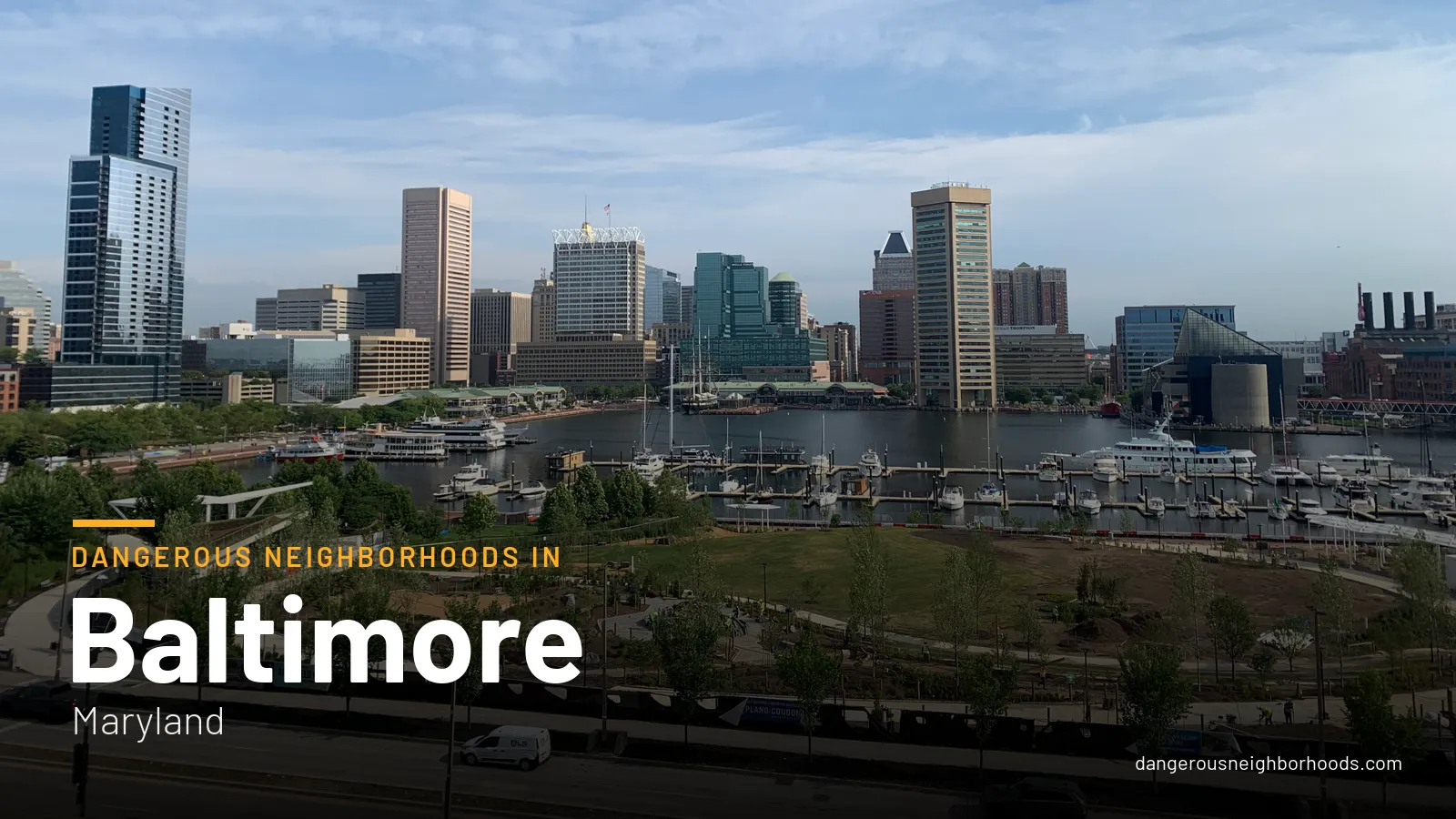
Figuring out if is Baltimore safe is a complicated question that always requires high street smarts. This city is famously known as "Charm City" for a reason, offering incredible seafood, historic waterfronts, and a rich cultural heritage. However, the reality of its urban decay cannot be ignored by anyone stepping off a train or plane.
The truth about the streets here is that the safety landscape varies drastically block by block. You can be standing in front of a luxury condo, walk three streets over, and suddenly find yourself in a heavily blighted area. Understanding the geographical lines is the only way to genuinely enjoy what this city has to offer without putting yourself at risk.
Understanding the historical divides
The origin of the insecurity here stems from decades of historical neglect and deindustrialization. When the manufacturing jobs dried up in the late twentieth century, entire communities were left without economic anchors. This systemic collapse birthed an underground economy that continues to drive the localized violence we see today.
Today, rapid redevelopment along the waterfront creates extreme socioeconomic divides right in the urban core. While tourists flock to the polished downtown attractions, long-standing communities just a mile away are still fighting for basic resources. This extreme contrast often catches unprepared visitors off guard when they wander away from the commercial districts.
For an outsider, the key to feeling completely secure is situational awareness rather than sheer panic. The violence is rarely random and is usually confined to specific geographic pockets involving the local drug trade. If you do not involve yourself in illicit activities, your primary concern as a traveler will simply be property crime and avoiding the wrong intersections.
The absolute worst zones in Baltimore
When compiling a list of the bad areas in Baltimore, you have to look beyond the statistics and understand the actual layout of the streets. Not every rundown building equals imminent danger, but there are certain pockets where outsiders simply do not belong at any time of day.
Areas to avoid
Safer areas to stay
Circles show approximate areas, not exact borders. Tap a zone for details.
West Baltimore
This massive section of the city, encompassing areas like Upton, is notorious for its open-air narcotics markets. The infrastructure here is heavily dilapidated, and the local turf wars make it an incredibly volatile place for anyone wandering off the beaten path.
If you leave your car unlocked around here, it belongs to the block now.
East Baltimore
Neighborhoods like Middle East and Berea are characterized by their endless rows of boarded-up houses. While massive redevelopment projects are slowly creeping in from the Hopkins medical campus, vast stretches of this district remain deeply impoverished and prone to violent street crime.
Cherry Hill
Geographically isolated from the rest of the city by water and highways, this southern enclave struggles with deeply entrenched gang territories. It is universally cited by locals as one of the worst neighborhoods in Baltimore, offering absolutely zero tourist attractions to justify a visit.
Park Heights
Located in the northwest, this sprawling community suffers from historically high homicide rates. Despite numerous community revitalization efforts, it remains one of the prime areas to avoid in Baltimore due to persistent retaliatory violence.
Quick breakdown of risk levels
| District | Risk Level | Main Threat |
|---|---|---|
| Sandtown-Winchester | Extreme | Violent crime and drug trade |
| West Corridor | Extreme | Narcotics turf wars |
| Eastern Suburbs | High | Armed robberies |
| Inner Harbor | Low | Petty pickpocketing |
Which is the most dangerous neighborhood in Baltimore?
When people ask about the most extreme zones, the answer always points to Sandtown-Winchester without hesitation.
This western community has been devastated by staggering systemic poverty rates and decades of mass incarceration. The physical environment is marked by vacant lots and crumbling rowhomes, creating an environment where underground economies completely replace legitimate commerce.
There are absolutely zero reasons for tourists to ever enter this specific grid. It lacks commercial businesses, public landmarks, and the basic safety infrastructure required for casual foot traffic.
Citywide crime at a glance
How Baltimore compares as a whole
Official FBI figures for the entire city, not a single neighborhood: offenses per 100,000 residents in 2025, reported by the Baltimore Police Department. Crime is concentrated in a few areas, so most of the city sits well below these averages.
Violent crime
1,351 per 100k
4.1× the US rate
-21% since 2022
Murder, rape, robbery and aggravated assault · 7,601 offenses in 2025
Property crime
4,009 per 100k
2.6× the US rate
+18% since 2022
Burglary, theft, vehicle theft and arson · 22,561 offenses in 2025
Source: FBI Crime Data Explorer. Dashed line: US average. No complete data for 2021. Police jurisdiction may not match city limits exactly. How we use this data
The reality of carjackings and traffic encounters
The prominent crime in Baltimore often intersects with daily commutes, particularly concerning the controversial squeegee workers who approach cars at major downtown intersections. Never roll down your windows for aggressive panhandlers at red lights. While most are just kids trying to make a few dollars, encounters have occasionally escalated into violence, so maintaining spatial awareness is your best defense.
Crucial street smarts for visitors
Surviving your trip here is all about moving with absolute purpose and projecting confidence. Looking like a lost tourist staring at Google Maps is the fastest way to make yourself a target in transitional zones. Below are essential Baltimore safety tips you need to follow.
- Prioritize using trusted ride-sharing apps rather than walking back to your hotel late at night.
- Commit to never flashing expensive tech or jewelry while riding the local transit systems.
- Practice ignoring unsolicited street encounters without breaking your walking stride.
- Focus on staying within populated tourist boundaries during evening hours.
Actionable do's and don'ts
You can drastically reduce your profile as a target by simply following basic urban rules.
Do
- Book licensed taxi services or rideshares when leaving bars.
- Walk on main avenues that have active storefronts and heavy lighting.
Don't
- Wander past tourist boundaries just because a walk looks short on a map.
- Leave bags visible on the back seat of your rental car under any circumstances.
Surviving the city after dark
If you are exploring the nightlife, your strategy must involve sticking to well-lit avenues connecting bars and restaurants. Never use unlit alleys as shortcuts, and always coordinate your transportation back to your accommodation before you leave the venue.
Handling transportation and rapid response
Mobility is your greatest asset here, and knowing your rapid exit routes can prevent a bad situation from getting worse. Relying on public transportation requires understanding which routes are actively monitored and which ones pass through volatile territories.
- EmergencyPrioritize dialing 911 immediately if you notice you are being followed.
- Getting aroundCommit to sticking to the Light Rail during busy daytime hours only.
- Getting aroundFocus on mapping your exact route before you step out of your hotel lobby.
Secure harbors and safe zones in Baltimore
Despite the grim statistics, there are massive pockets of the city that are vibrant and heavily patrolled. These waterfront communities are where visitors spend 95% of their time and represent the cultural heartbeat of the modern city.
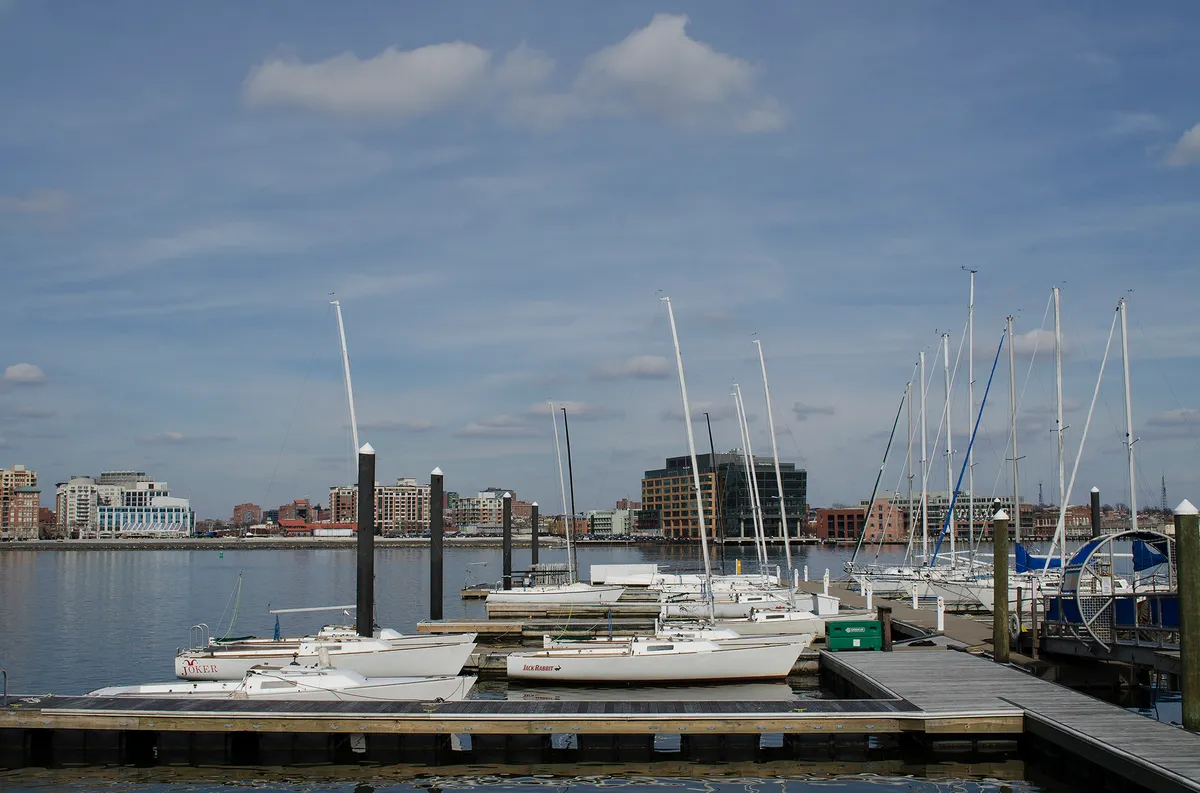
Inner Harbor and Fells Point
These two waterfront districts are heavily geared toward hospitality and feature a heavy police presence year-round. You can comfortably walk between the historic pubs, seafood restaurants, and cobblestone streets without feeling constantly on edge.
Canton and Federal Hill
Filled with young professionals and historic rowhomes, these neighborhoods act as bustling nightlife corridors. They offer a fantastic, secure environment for dining and drinking, provided you apply standard city awareness late at night.
Navigating as a solo female traveler
Women traveling alone here must practice an elevated level of situational vigilance, particularly regarding avoiding isolated streets entirely. The catcalling can be aggressively persistent in certain transitional zones, so maintaining a brisk pace and wearing resting aggressive face is standard practice.
I never wear my headphones when walking from the bus stop at night. You need to hear everything.
Your nighttime rules must be rigid, primarily never walking alone after midnight regardless of how safe the specific block feels. Always utilize Uber or Lyft to get door-to-door, and never accept drinks from strangers in crowded waterfront bars.
Frequently asked questions from visitors
Still have doubts? These answers will help clear up the reality of the streets by separating myth from fact.
Is the Inner Harbor totally immune to crime?
No area is completely immune, but the threats here are mostly limited to occasional petty theft incidents. Violent crime is exceptionally rare in the heavily touristed waterfront, though you should still watch your pockets in large crowds.
Can I walk between neighborhoods safely?
Walking between Fells Point and the Inner Harbor is generally fine by day, but consider calling an Uber instead after dark. Transitional blocks between safe zones can suddenly become desolate and poorly lit.
Are daytime visits to local markets safe?
Absolutely, places like Lexington Market are cultural institutions, but you must focus on sticking to daytime operating hours. Once the market closes and the vendors pack up, the immediate surrounding blocks become drastically less secure.
Your survival guide takeaway
Visiting this uniquely historic city ultimately comes down to respecting the local environment and acknowledging its realities. You cannot treat the streets here like a suburban theme park; every step outside the primary tourist corridors requires active attention and geographic awareness.
Do not let the statistics keep you away from the incredible seafood, the historical sites, and the genuine local culture. By exercising fundamental street smarts and relying on rideshares at night, you can experience the absolute best of the city without ever brushing up against its dark side.
This guide is general safety information, not a guarantee of safety. Conditions change; check local news and official sources before you go. In an emergency, call 911.