Dangerous Neighborhoods in Detroit
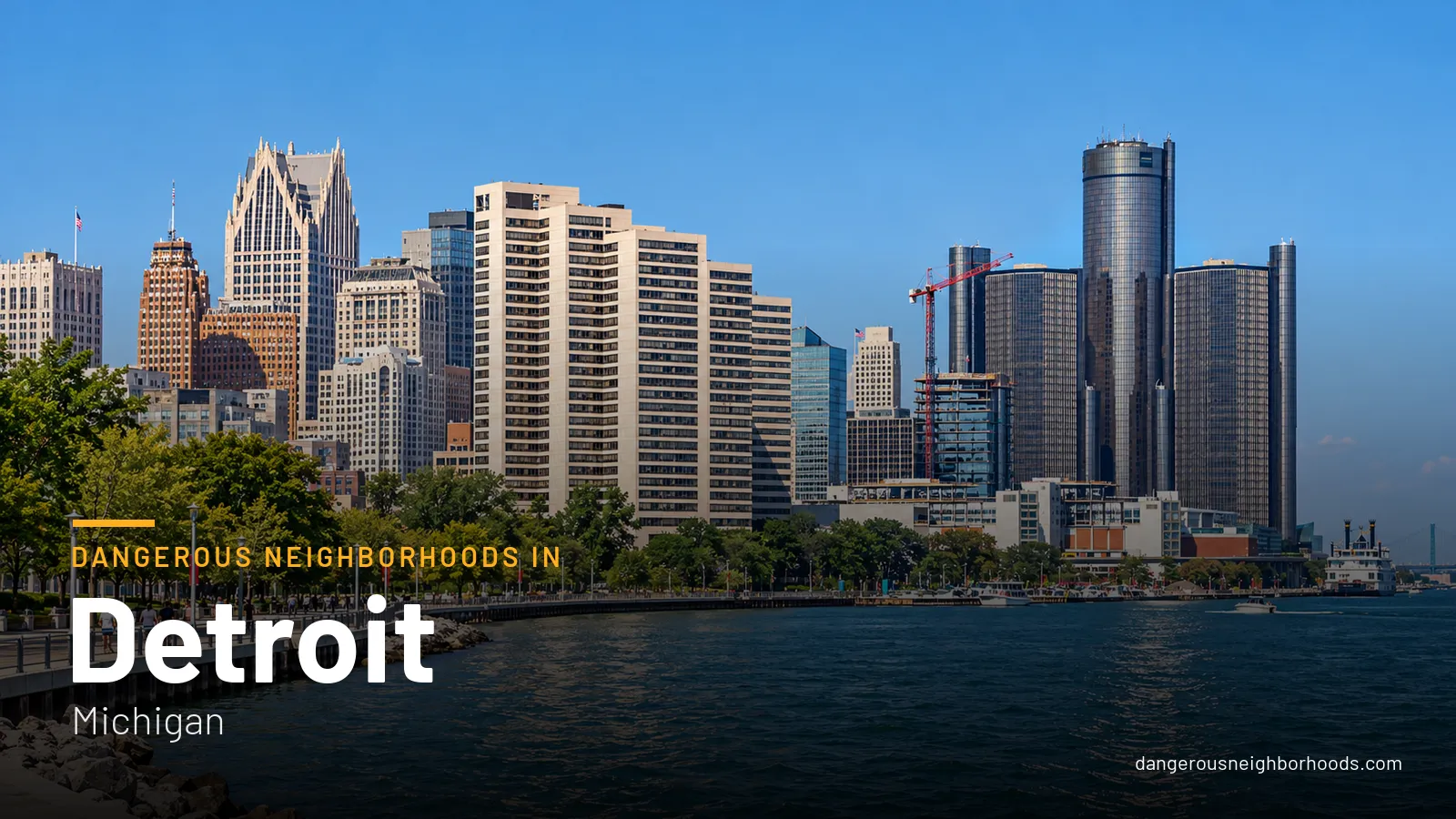
Welcome to the Motor City, a place with a complex history that absolutely demands a realistic approach to travel. The media often paints this destination as an apocalyptic wasteland, but the truth on the ground is far more nuanced. While the downtown core has seen massive revitalization, looking for bad areas in Detroit isn't difficult if you wander mindlessly off the main avenues.
You cannot treat this city like a theme park where someone is always watching your back. Developing sharp street smarts and researching your routes beforehand is the fundamental difference between an amazing trip and a police report.
Behind the reputation and urban decay
To understand the current state of safety here, you have to acknowledge decades of economic turbulence. The drastic drop in population over the late 20th century left a vast landscape of empty infrastructure. This emptiness created blind spots where opportunistic activity thrives away from police patrols.
The city filed for bankruptcy a decade ago, which severely impacted emergency response times and depleted municipal resources heavily. Although things have vastly improved and the downtown is bustling with private investment, the neighborhoods on the outer edges were largely left to fend for themselves.
This massive contrast means you will experience two entirely different cities depending on your zip code. Understanding crime in Detroit requires realizing that violence is largely isolated to specific, deeply impoverished zones rather than the tourist-heavy districts.
Mapping the rough patches across Detroit
Knowing exactly where not to go is half the battle when planning your itinerary. The following zones consistently rank high for incidents and lack any real tourist appeal anyway.
Areas to avoid
Safer areas to stay
Circles show approximate areas, not exact borders. Tap a zone for details.
Belmont
Located on the west side, this area suffers from severe blight and widespread property abandonment. The lack of functional street lighting makes it extremely hazardous after dark, and police presence is notably sparse. There is absolutely no reason for a visitor to navigate these streets.
Brightmoor
Delray
This heavily industrialized zone feels completely desolate even in the middle of the afternoon. The pollution, abandoned factories, and isolation from main highways make it a prime hotspot for illegal dumping and opportunistic theft.
Osborn
Occupying a significant chunk of the northeast side, Osborn struggles with high poverty levels and rampant gang activity. The structural decay here is intense, and violent altercations frequently spill out into the public streets during the summer months.
Franklin Park
This western neighborhood has been battling systemic neglect for years, resulting in a landscape heavily scarred by arson and vandalism. Walking around here immediately marks you as an outsider and makes you a highly visible target for muggings.
Quick risk snapshot
| Zone or district | Estimated risk level | Primary safety threat |
|---|---|---|
| Belmont | Severe | Violent crime and muggings |
| Brightmoor | High | Carjackings and narcotics |
| Delray | Moderate to High | Property theft and isolation |
| Osborn | Severe | Gang activity and assaults |
Which is the most dangerous neighborhood in Detroit?
Statistically and experientially, the most hazardous zone in the city limits is currently Belmont.
This sector consistently reports violence rates that dwarf the national average, heavily driven by territorial disputes and extreme poverty. The physical environment itself is hostile, with crumbling infrastructure and overgrown lots providing countless hiding spots.
Even daytime navigation through these specific streets is strongly discouraged by local authorities. Emergency services often face significant delays reaching this area, meaning you are entirely on your own if an incident occurs.
Citywide crime at a glance
How Detroit compares as a whole
Official FBI figures for the entire city, not a single neighborhood: offenses per 100,000 residents in 2025, reported by the Detroit Police Department. Crime is concentrated in a few areas, so most of the city sits well below these averages.
Violent crime
1,654 per 100k
5.0× the US rate
-23% since 2021
Murder, rape, robbery and aggravated assault · 10,624 offenses in 2025
Property crime
3,956 per 100k
2.5× the US rate
+15% since 2021
Burglary, theft, vehicle theft and arson · 25,405 offenses in 2025
Source: FBI Crime Data Explorer. Dashed line: US average. Police jurisdiction may not match city limits exactly. How we use this data
The reality of property abandonment and blight
One of the most unique and unsettling security issues here is the massive volume of derelict structures. Thousands of homes and commercial buildings sit empty, creating a magnet for illicit underground activities and squatting.
These ghost blocks confuse GPS systems, often routing unsuspecting drivers through deeply compromised streets to save a few minutes of travel time. Ignoring local geographical context and blindly trusting your navigation app is a rookie mistake.
If your maps app tells you to take a shortcut through a neighborhood with boarded-up windows and no streetlights, you keep your ass on the highway.
Furthermore, these abandoned zones suffer from rampant illegal dumping and arson. The lack of community eyes on the street means crimes go entirely unwitnessed, removing the natural surveillance that keeps regular neighborhoods secure.
Areas rapidly shifting status
Urban landscapes are fluid, and several borders are currently experiencing a tug-of-war between revitalization and decay. Neighborhoods surrounding the Villages on the east side often fluctuate drastically from block to block.
You might find beautifully restored historic homes right next to a completely burned-out shell of a building. In these transitional zones, it is vital to remain hyper-aware of your surroundings because the safety buffer can vanish within fifty feet.
Navigating Detroit after dark
When the sun sets, the city's dynamic shifts dramatically and your margin for error shrinks to zero. While the central entertainment districts remain well-lit and heavily patrolled, stepping outside the designated bubbles is an unnecessary gamble.
The empty nature of the financial district post-business hours can feel surprisingly eerie, even if it isn't inherently violent. Stick to main illuminated avenues like Woodward or Jefferson, where foot traffic and vehicle flow deter opportunistic criminals.
Gas stations are notorious hotspots for late-night incidents, particularly armed carjackings and aggressive panhandling. If you need fuel after midnight, find a well-lit suburban station rather than risking inner-city pumps.
Getting around without trouble
Transportation requires a proactive mindset rather than passive reliance on public transit systems. Whether you are driving your own vehicle or using rideshares, maintaining a secure perimeter is highly recommended.
- Getting aroundKeep windows rolled up and doors locked the second you enter your rental car.
- Getting aroundPlan your fuel stops during daylight hours to avoid sketchy gas stations entirely.
- AppsVerify your rideshare plates before getting into any vehicle near major event venues.
- Getting aroundUse guarded parking garages instead of leaving your car in unmonitored surface lots.
- Good to knowLeave space between cars at red lights so you always have an escape route.
Everyday street smarts for visitors
If you need to check directions, step into a busy coffee shop or a hotel lobby rather than staring at your glowing screen on a dark corner. By simply applying these **areas to avoid in Detroit** strategies, you eliminate the vast majority of potential threats.
Most tourists who get into trouble here basically handed over the invitation. You flash a Rolex outside a Coney Island at 3 AM, you're just making a donation.
Do's and don'ts for daily survival
Do
- Trust your gut instinct if a street suddenly feels desolate or heavily neglected.
- Utilize valet parking services when dining out in unfamiliar transitional neighborhoods.
- Travel in groups when walking back to your accommodation after a concert or game.
Don't
- Engage with aggressive panhandlers or people trying to sell items at highway off-ramps.
- Leave visible luggage or shopping bags on the backseat of your parked vehicle.
- Wander aimlessly past midnight trying to find an open liquor store on foot.
Where to base yourself securely
Choosing the right accommodation dictates the entire tone of your trip, so prioritize central, heavily trafficked hubs. These zones benefit from private security patrols and a massive influx of investment dollars.
The downtown core
This is the safest and most convenient hub for casual tourists and business travelers alike. The presence of major sports arenas and corporate headquarters means police visibility is exceptionally high throughout the day and evening.
Midtown and the museum district
Home to the university and major cultural institutions, Midtown offers a vibrant, pedestrian-friendly environment. The heavy student population ensures that coffee shops and streets stay active well into the night.
Corktown
As the city's oldest surviving neighborhood, Corktown balances historic charm with a booming culinary scene. It is heavily gentrified, meaning walking between trendy bars here is generally stress-free, though standard precautions still apply.
Advice for solo female travelers
Exploring this destination alone requires an extra layer of vigilance, but it is entirely manageable with strict boundaries. The golden rule is to never compromise on transportation costs—always opt for an Uber rather than a long, isolated walk.
Be particularly cautious regarding your drink in crowded dive bars, and never accept rides from unofficial taxis outside nightclubs. Maintain a confident physical posture, as projecting vulnerability attracts the exact wrong type of attention on these streets.
Common doubts from visitors
Still trying to figure out the logistics of your trip? These direct answers will clear up the persistent rumors.
Is Detroit safe for a weekend tourist?
Yes, provided you strictly adhere to the revitalized central districts and major event venues. The city has hosted massive international events smoothly, proving that the downtown bubble remains secure for cautious visitors.
Can I walk between venues at night?
If you are moving between a stadium and a popular downtown bar, the crowds will naturally insulate you. However, if your walk involves crossing empty, unlit blocks or highway overpasses, call a rideshare immediately instead.
Are the worst neighborhoods in Detroit close to the center?
Most of the severely blighted and highly violent areas are located several miles out in the deep east or west sides. It is highly unlikely that you will accidentally stumble into them while walking around the main tourist hubs.
Is public transportation reliable here?
The QLine streetcar on Woodward Avenue is safe and functional, but the broader bus system is frequently delayed. Relying on municipal buses for late-night travel exposes you to unnecessary waits at isolated stops.
Enjoying the city with common sense
This destination offers an incredible array of music, architecture, and culinary gems that you won't find anywhere else in the country. The grit that makes the city famous is real, but it doesn't have to define your vacation.
By respecting the local landscape and acknowledging the sharp boundaries between the flourishing zones and the forgotten ones, you can experience the best of the local culture. Keep your head on a swivel, respect the residents, and your visit will be memorable for all the right reasons.
This guide is general safety information, not a guarantee of safety. Conditions change; check local news and official sources before you go. In an emergency, call 911.
Nearby city guides
 Warren
10 mi away
 Toledo
55 mi away
 Akron
115 mi away