Dangerous Neighborhoods in Saint Paul
While the capital of Minnesota is often seen as the quieter twin, certain streets hide serious risks you should know about before visiting.
Navigating the bad areas in Saint Paul requires actual local street smarts, not just reading outdated tourist brochures.
Most visitors stick to the gleaming downtown and historic summits, but venturing off the beaten path without guidance can quickly sour your trip.
The root of the grit across the river
To truly grasp why some districts struggle, you need to look past the picturesque Mississippi riverfront and understand the history of the capital.
Industrial decay and shifting economic tides left pockets of intense poverty, creating environments where property crime naturally thrives.
When industrial wealth moved out
As factories shuttered in the late twentieth century, working-class families were left stranded without reliable jobs or robust community funding.
This sudden economic vacuum meant that opportunistic crime quickly took root, turning once-thriving commercial blocks into modern cautionary tales.
The absolute worst neighborhoods in Saint Paul
Finding yourself in the wrong zip code after dark can lead to unwanted confrontations that are easily avoided with proper planning.
Areas to avoid
Safer areas to stay
Circles show approximate areas, not exact borders. Tap a zone for details.
Frogtown and the University Avenue corridor
Gang activity and drug-related incidents are unfortunately common, making late-night strolls a terrible idea for unaware tourists.
Dayton's Bluff east of the river
The historical Victorian homes here look beautiful, but property theft is notoriously high right around these picturesque residential streets.
Locals know better than to leave valuables visible in cars, as window-smashing is practically a daily occurrence in the area.
The struggles of the North End
Bordering the Rice Street corridor, the North End sees frequent aggravated assaults that keep local police busy every single weekend.
You will want to absolutely avoid wandering through poorly lit residential cross-streets where opportunistic muggings happen with frustrating regularity.
We love our community, but you definitely don't walk down Rice Street alone when the local dive bars let out.
Quick risk breakdown by district
| District Area | Threat Level | Primary Safety Issue |
|---|---|---|
| Payne-Phalen | Moderate to high | Violent crime |
Frogtown | Elevated night risk | Street violence and muggings |
Dayton's Bluff | Moderate to high | Aggressive vehicular break-ins |
North End | Consistently dangerous | Gang activity and assaults |
Which is the most dangerous neighborhood in Saint Paul?
If you look at the raw statistics and police reports, Payne-Phalen consistently ranks as the most volatile zone in the city.
The intersection of Payne and Maryland Avenue is particularly notorious for shootings and open-air drug markets that operate brazenly.
Even lifelong residents will tell you to steer clear of the alleyways around this specific district once the streetlights flicker on.
Citywide crime at a glance
How Saint Paul compares as a whole
Official FBI figures for the entire city, not a single neighborhood: offenses per 100,000 residents in 2025, reported by the St. Paul Police Department. Crime is concentrated in a few areas, so most of the city sits well below these averages.
Violent crime
491 per 100k
1.5× the US rate
-37% since 2021
Murder, rape, robbery and aggravated assault · 1,511 offenses in 2025
Property crime
2,826 per 100k
1.8× the US rate
-31% since 2021
Burglary, theft, vehicle theft and arson · 8,695 offenses in 2025
Source: FBI Crime Data Explorer. Dashed line: US average. Police jurisdiction may not match city limits exactly. How we use this data
The epidemic of catalytic converter thefts
Violent incidents grab the news headlines, but brazen automotive part theft is what actually ruins a typical tourist's visit.
Thief crews operate with lightning speed, jacking up rental cars overnight to aggressively saw off the valuable exhaust components.
Surviving the streets after dark
When the sun goes down, you must completely change your situational awareness to stay safe in the urban core.
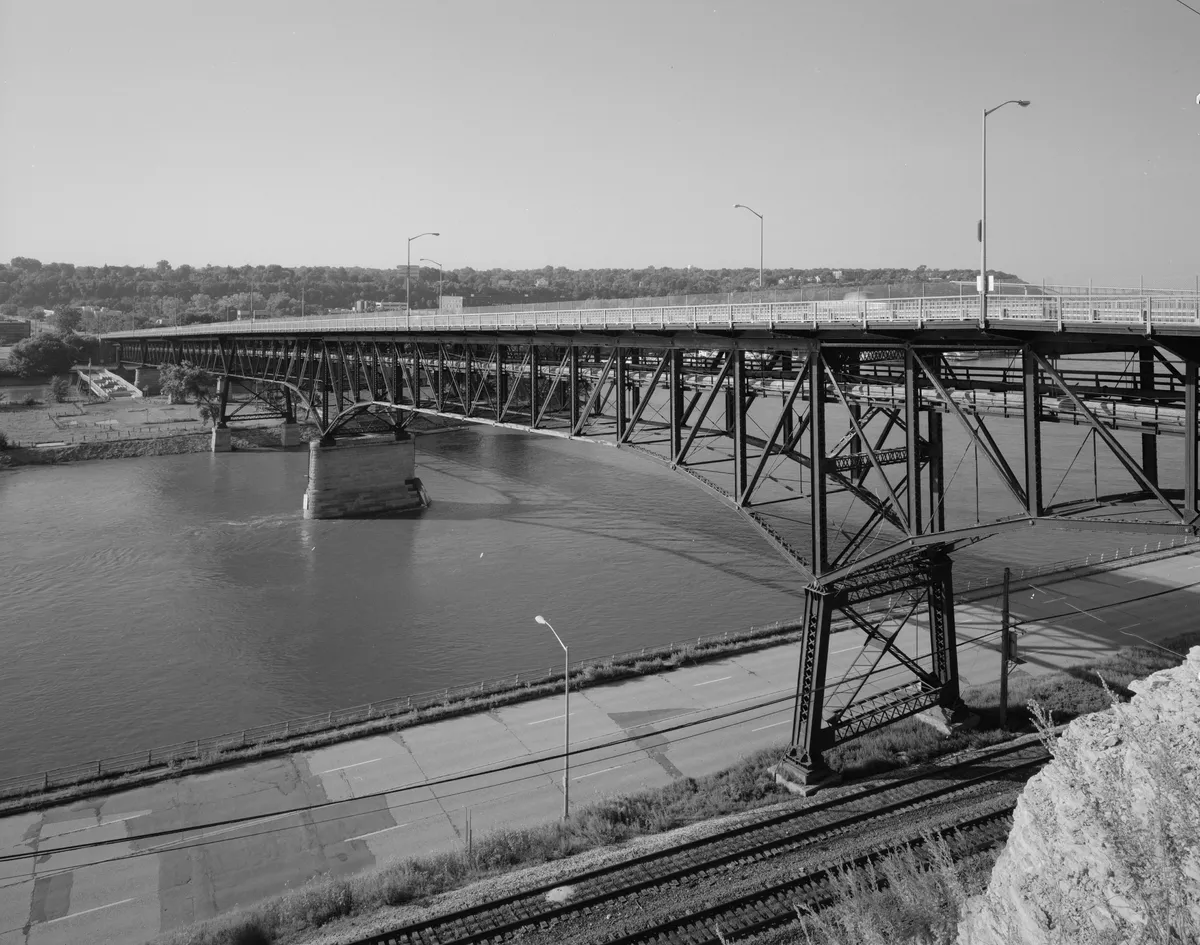
Lowertown's bar scene is generally secure, but wandering past Mears Park alone at midnight can expose you to aggressive panhandling.
Always ensure you have a designated ride waiting, because hailing a cab on the street is practically impossible outside the immediate downtown.
The most secure havens in Saint Paul
Fortunately, the capital boasts several highly affluent and heavily patrolled residential pockets where crime is nearly non-existent.
Highland Park and Macalester-Groveland
These beautiful tree-lined neighborhoods are filled with families and college students, offering a genuinely peaceful atmosphere for your stay.
You can walk the boutique-lined avenues safely at almost any hour, as community vigilance is incredibly strong here.
Saint Anthony Park
It feels more like a quiet European village than a major American city, making it the perfect base for nervous travelers.
Getting around without unnecessary risks
Public transit and emergency response times vary wildly across the grid, so planning your exit strategy beforehand is highly recommended.
- EmergencyKnow the local precinct: The police department is responsive, but you must dial 911 immediately if you feel threatened.
- Getting aroundGreen Line caution: The light rail is highly convenient but often attracts erratic behavior late at night between stations.
- Getting aroundRideshares rule: Taking an Uber or Lyft is always safer than waiting at bus stops in desolate industrial areas.
Essential street survival rules
Here are the top Saint Paul safety tips you need to memorize before booking your flight to the midwest.
- Keep your head on a swivel when walking between the downtown parking ramps and the major entertainment venues.
- Hide your rental car keys securely, as vehicle thefts are disproportionately high near the main transit hubs.
- Trust your gut instinct if a specific block feels deserted or poorly lit during the evening hours.
The definitive do's and don'ts
If you want to blend in and avoid looking like an easy mark, strictly follow these unwritten rules.
Do
- Stick to well-lit main avenues like Grand Avenue and West 7th Street.
- Walk with purposeful strides as if you know exactly where your destination is.
Don't
- Flash expensive camera gear while exploring the industrial backside of the riverfront.
- Engage with erratic individuals screaming at the light rail transit stations.
Decoding local street slang and myths
Tourists often hear exaggerated rumors about the so-called Murderapolis era spillover, which are mostly outdated and historically inaccurate.
When locals warn you about avoiding "the Dale," they strictly mean the rougher stretches of Dale Street, not the entire neighborhood.
People act like the whole East Side is a warzone, but it's really just a few bad blocks ruining the reputation for everyone else.
Frequently asked questions from travelers
Still have doubts regarding the crime in Saint Paul? These answers will help you navigate the capital city with supreme confidence.
Is Saint Paul safe for solo female travelers?
Generally yes, but you must exercise heightened caution at night, particularly around the central transit stations and downtown perimeters.
Is the downtown core of Saint Paul dangerous?
The downtown area is quite safe during business hours, but empties out dramatically after 5 PM, making it feel eerily deserted and vulnerable.
Are the areas to avoid in Saint Paul clearly marked?
No, urban decay can appear abruptly in this city; one block might be pristine while the very next street is heavily blighted and sketchy.
Your final briefing before hitting the pavement
The truth about the urban risk is that it is highly localized and easily avoidable if you pay close attention to your surroundings.
By simply staying out of the identified rough patches, your visit to the Twin Cities will be memorable for all the right reasons.
Keep your wits sharp, enjoy the phenomenal local breweries safely, and always trust your intuition when a street suddenly feels wrong.
This guide is general safety information, not a guarantee of safety. Conditions change; check local news and official sources before you go. In an emergency, call 911.