Dangerous Neighborhoods in Albuquerque
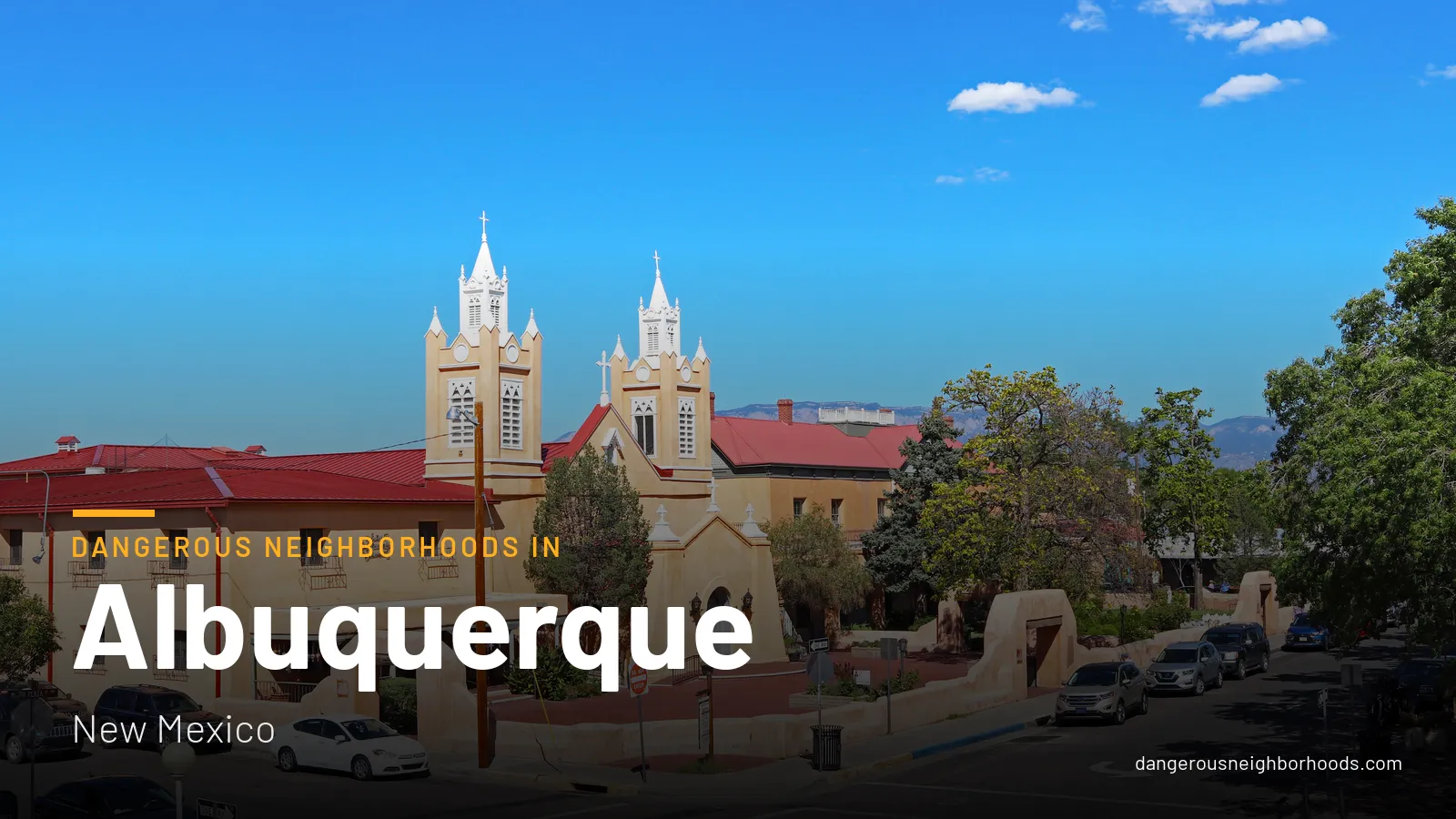
When planning a trip to the high desert, many travelers find themselves asking if Albuquerque is safe for a casual visit. The Duke City boasts stunning Sandia Mountain sunsets and rich culture, but it also carries a gritty reputation that cannot be ignored.
If you look past the tourist brochures, the reality of crime in Albuquerque is complex and heavily localized. Property crime rates and vehicle thefts keep local law enforcement busy year-round, so you must employ common sense constantly.
However, violent encounters rarely target visitors who stick to well-traveled corridors and avoid the dangerous parts of Albuquerque. Navigating this city simply requires knowing where the pockets of severe urban decay are located.
Understanding the local street dynamics
The roots of the city's struggles go deeper than the fictionalized television shows that made it world-famous. Economic disparities and decades of underfunded social programs have created environments that struggle with chronic transient issues and open-air drug use.
These issues often spill out onto major thoroughfares and public transit hubs. This dynamic makes the divide between affluent and struggling areas startlingly abrupt, so wandering off the main path can change your surroundings in just two blocks.
The legacy of route sixty six
Central Avenue historically served as the vibrant artery of the city, bringing tourists and commerce. Today, long stretches of this iconic highway require caution, as the neon signs often hide opportunistic criminals in the shadows.
The most compromised urban zones
If you want to understand the true layout of the city, you must map out the bad areas in Albuquerque before booking your hotel. Some districts look charming by day but shift dramatically once the sun dips behind the mountains.
Areas to avoid
Safer areas to stay
Circles show approximate areas, not exact borders. Tap a zone for details.
Trumbull village
This densely populated enclave has historically battled high rates of violent crime and gang activity. The streets here are narrow, and opportunistic theft is highly prevalent if you leave anything visible in your vehicle.
La mesa
Bordering major transit lines, La Mesa serves as a hotspot for transient-related property crimes. Locals know that navigating these blocks after dark requires extreme situational awareness, as unpredictable encounters are common.
Quigley park
Despite its unassuming name, statistical data consistently flags this area for elevated assault rates. You will find that residential break-ins happen frequently, making it an unappealing spot for short-term rentals.
Jackson area
Tucked into the eastern grid, the Jackson area struggles with a concentrated volume of narcotics traffic. Warning The presence of illegal substances often leads to erratic behavior from individuals wandering the neighborhood streets.
Barelas
Barelas carries immense historical significance and is currently undergoing piecemeal gentrification. However, its proximity to the downtown core means it still absorbs significant spillover property crime on a nightly basis.
Risk snapshot across districts
| District | Risk level | Main threat |
|---|---|---|
| International District | High | Violent crime and drug activity |
| Trumbull village | High | Opportunistic theft |
| La mesa | Elevated | Transient crime |
| Quigley park | Moderate | Residential break-ins |
Which is the most dangerous neighborhood in Albuquerque?
When locals discuss the absolute worst neighborhoods in Albuquerque, they are almost universally referring to the International District. Formerly and still colloquially known as the "War Zone", this quadrant deals with systemic poverty and the highest concentration of violent offenses in the metro area.
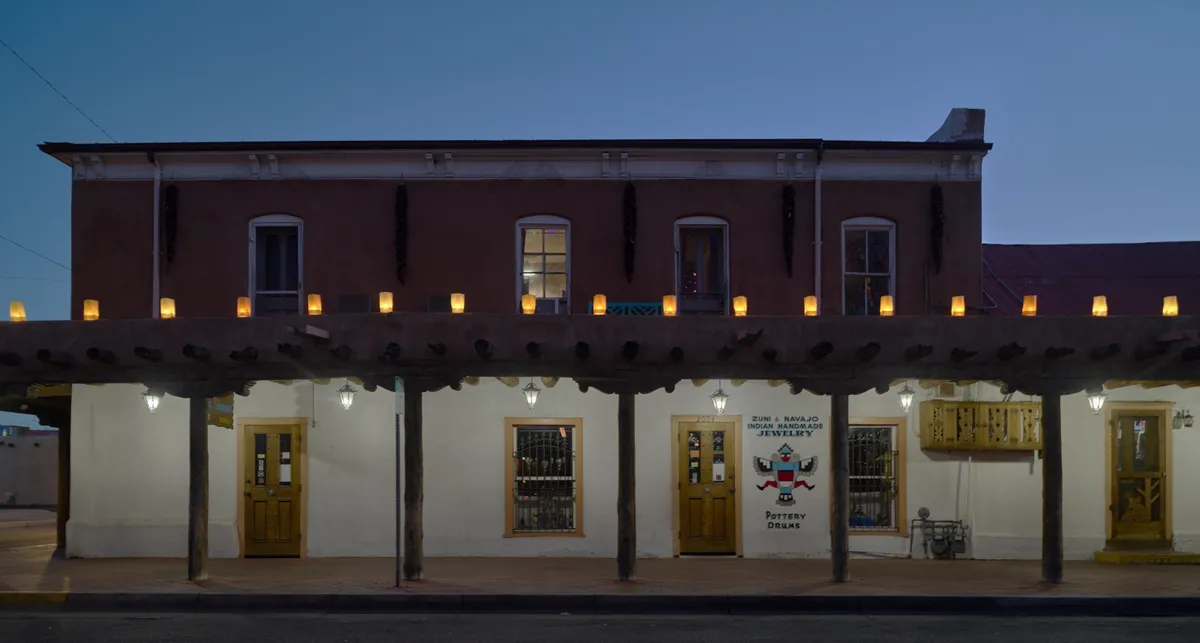
You have absolutely no reason to wander through the alleys of this sector as a tourist. The daytime hustle hides an underbelly of aggressive panhandling, while the night brings a severe risk of armed encounters if you venture off the main avenues.
Walking alone through the International District after midnight is practically begging for a violent mugging. Stick to the safety of your vehicle and keep your doors locked tight if you must drive through this area.
Citywide crime at a glance
How Albuquerque compares as a whole
Official FBI figures for the entire city, not a single neighborhood: offenses per 100,000 residents in 2025, reported by the Albuquerque Police Department. Crime is concentrated in a few areas, so most of the city sits well below these averages.
Violent crime
1,030 per 100k
3.1× the US rate
-28% since 2021
Murder, rape, robbery and aggravated assault · 5,758 offenses in 2025
Property crime
4,063 per 100k
2.6× the US rate
-9% since 2021
Burglary, theft, vehicle theft and arson · 22,719 offenses in 2025
Source: FBI Crime Data Explorer. Dashed line: US average. Police jurisdiction may not match city limits exactly. How we use this data
The relentless auto theft epidemic
Beyond avoiding the rougher sectors, your biggest threat is actually aimed at your rental car. The city routinely ranks among the highest in the nation for stolen vehicles and catalytic converter thefts overnight.
Thieves operate with shocking speed in hotel parking lots and popular trailheads alike. Leaving a running car unattended for even ten seconds at a gas station is a guaranteed way to lose your transportation.
Areas currently on the decline
The stretches of East Central Avenue have seen better days, with dilapidated motels serving as hubs for illicit activity. What used to be budget-friendly accommodation is now ground zero for prostitution and substance abuse.
If a motel on East Central charges by the hour, you don't even want to park your car in their lot, let alone sleep there.
Even daytime walks near these aging establishments can expose you to aggressive solicitation and unpredictable behavior. It is vital to ignore aggressive street harassment and keep moving towards your destination.
Essential street smarts and protocols
Mastering a few Albuquerque safety tips will ensure your desert getaway remains memorable for the right reasons. The city rewards vigilant travelers but severely punishes the naive who ignore their surroundings.
- Remove all valuables completely from your vehicle before hiking the Sandia Mountains.
- Avoid engaging with panhandlers at major highway off-ramps and intersections.
- Stay on marked trails when exploring the Petroglyph National Monument.
- Keep a low profile when carrying expensive camera equipment downtown.
Do's and don'ts for visitors
Do
- Park in well-lit areas with high foot traffic.
- Utilize rideshare apps when leaving breweries late at night.
Don't
- Leave firearms in vehicles, as they are a primary target for break-ins.
- Walk alone through underpasses near the downtown core.
Handling transit and urgent situations
Navigating the sprawling grid requires a solid plan, especially if you rely on public transportation. The bus system connects major hubs but can feel intimidating during off-peak hours.
- EmergencyDialing emergency services locally can sometimes result in long wait times for non-violent property crimes.
- Getting aroundUsing the ART bus is generally safe by day but attracts a rougher crowd post-sunset.
- Getting aroundRideshare availability drops drastically if you are staying in the far outskirts of the valley.
- MedicalThe university hospital area offers excellent trauma care but the surrounding blocks require caution.
Navigating the streets after dark
Once the sun sets, the atmosphere in the downtown entertainment district shifts noticeably. While the bars and music venues are heavily policed, the dimly lit side streets connecting them are not.
People get a few drinks in them, wander three blocks off Central to find their car, and suddenly realize they are completely alone in the dark.
Secure havens for your stay in Albuquerque
Finding peace of mind means choosing the right zip code for your home base. Fortunately, there are several neighborhoods that boast tight-knit communities and excellent security records.
Nob hill
This vibrant, walkable district is packed with upscale dining and boutique shopping. The heavy presence of foot traffic and engaged local business owners keeps the streets feeling secure from dawn until dusk.
Northeast heights
Situated closer to the mountains, this sprawling suburban area is favored by families and retirees. The elevation not only offers great views but also drastically lower crime rates compared to the valley floor.
The television myth versus reality
Many tourists arrive expecting to see dramatic cartel shootouts reminiscent of popular television dramas. The truth is far more mundane, as the city primarily battles crimes of poverty and addiction rather than cinematic organized crime syndicates.
Taking photos in front of famous fictional character houses is fine, but remember that real families live there. You must respect their boundaries because locals value their daily privacy over tourist photo opportunities.
Frequent concerns from travelers
Still have doubts? These answers will help you navigate the city safely.
Is it safe to walk downtown at night?
Sticking strictly to the main entertainment blocks is generally fine, but wandering into unlit alleys is highly discouraged. Always use a rideshare to get back to your hotel.
Are the hiking trails secure?
The trails themselves are quite secure from violent crime, but trailhead parking lots are notorious for smash-and-grab vehicle burglaries.
Is the public transit reliable?
The Rapid Transit line is efficient for daytime commuting, though you may encounter erratic behavior from transient riders during your journey.
Can I leave luggage in my trunk?
Never leave anything of value unattended in a vehicle, as thieves use specialized tools to pop trunks in mere seconds across the city.
Your next steps in the Duke city
Understanding the urban landscape is the key to enjoying everything this unique Southwestern destination has to offer. By acknowledging the rough patches, you can easily steer clear of unnecessary trouble and focus on the culture, food, and scenery.
A trip here should be defined by green chile cheeseburgers and hot air balloons, not police reports. Pack your bags, maintain a sharp situational awareness, and get ready to experience the true spirit of the high desert.
This guide is general safety information, not a guarantee of safety. Conditions change; check local news and official sources before you go. In an emergency, call 911.