Dangerous Neighborhoods in Greensboro
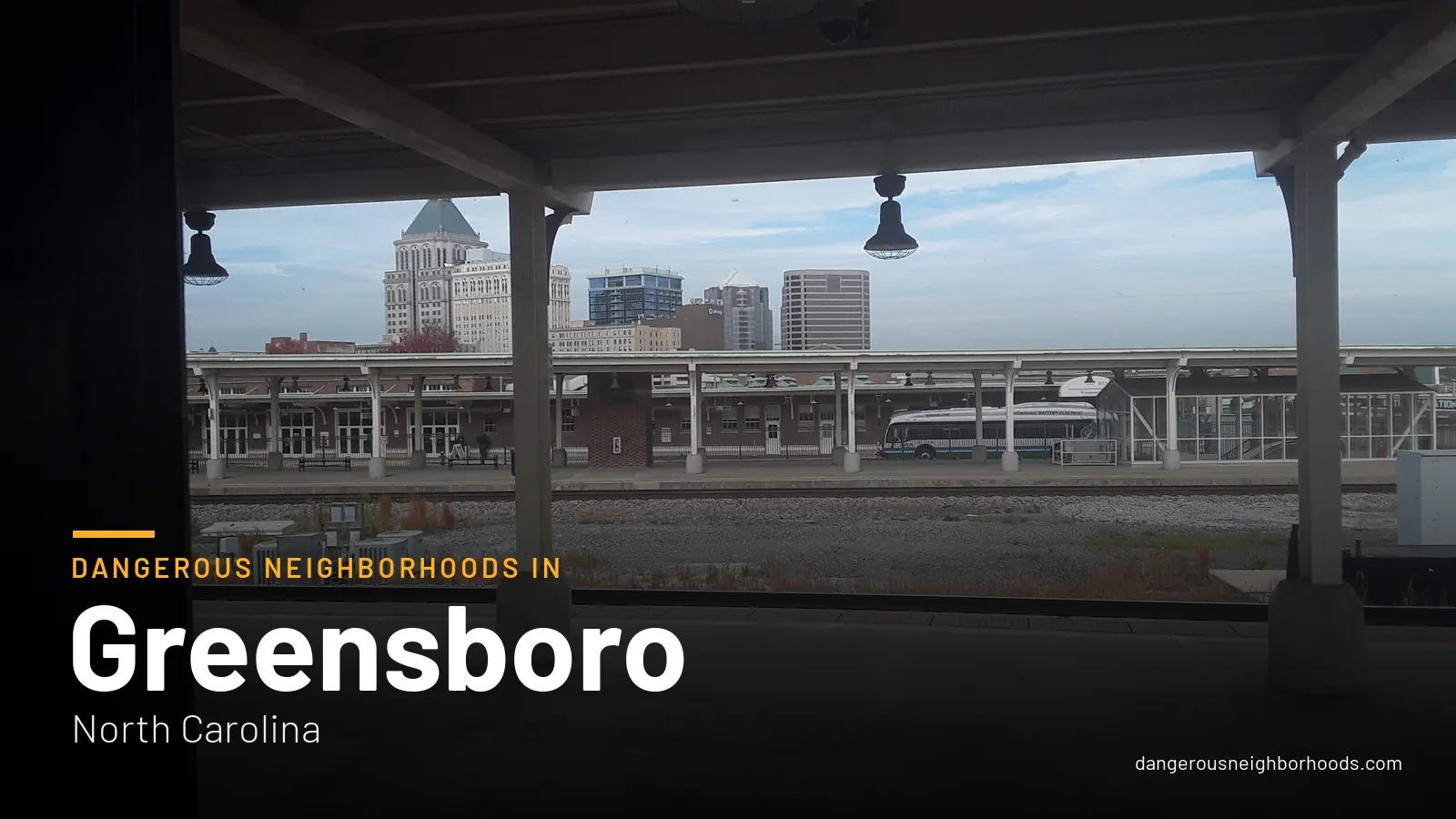
Welcome to the Gate City, a place where a mixed bag of Southern charm collides with the gritty realities of urban expansion. If you are planning a trip or considering a move here, you have probably fallen down a rabbit hole trying to figure out if the streets are actually secure. The blunt truth about whether is Greensboro safe is that it highly depends on your zip code and the time of day you decide to roam.
Like many mid-sized American hubs, this North Carolina destination has its pristine historic districts and its severely neglected corridors. While violent offenses often make the evening news, petty theft outpaces violent encounters by a massive margin in most sectors. Finding the worst neighborhoods in Greensboro requires looking past the shiny downtown revitalization projects and understanding where the local police dispatch gets the most calls.
Understanding the Gate City grit
The historical context of local crime in Greensboro is deeply tied to shifting industrial fortunes and manufacturing plant closures over the last few decades. When the textile mills started shutting down, economic shifts hit hard across the eastern and southern quadrants of the map. Those job losses created a vacuum that was quickly filled by poverty and, inevitably, street-level illicit economies.
Today, the municipal budget attempts to patch these holes, but uneven resource allocation means some communities are left to fend for themselves. You will notice a stark contrast between the heavily manicured college campus borders and the residential grids just a few blocks away. It is this proximity of wealth and struggle that makes situational awareness absolutely mandatory for visitors.
Navigating the rough patches of Greensboro
If you want to dodge the bulk of the bad areas in Greensboro, you need a mental map of where the friction happens. These are not active war zones, but they are places where you must tread with absolute caution after the sun goes down.
Areas to avoid
Safer areas to stay
Circles show approximate areas, not exact borders. Tap a zone for details.
East Market Street corridor
Stretching outward from the city center, certain blocks along this avenue are notorious for property crimes and erratic pedestrian traffic. While it is a major artery for commuting, lingering at the gas stations or strip malls here is highly discouraged. You will often spot broken glass in parking lots, a tell-tale sign of overnight vehicular break-ins.
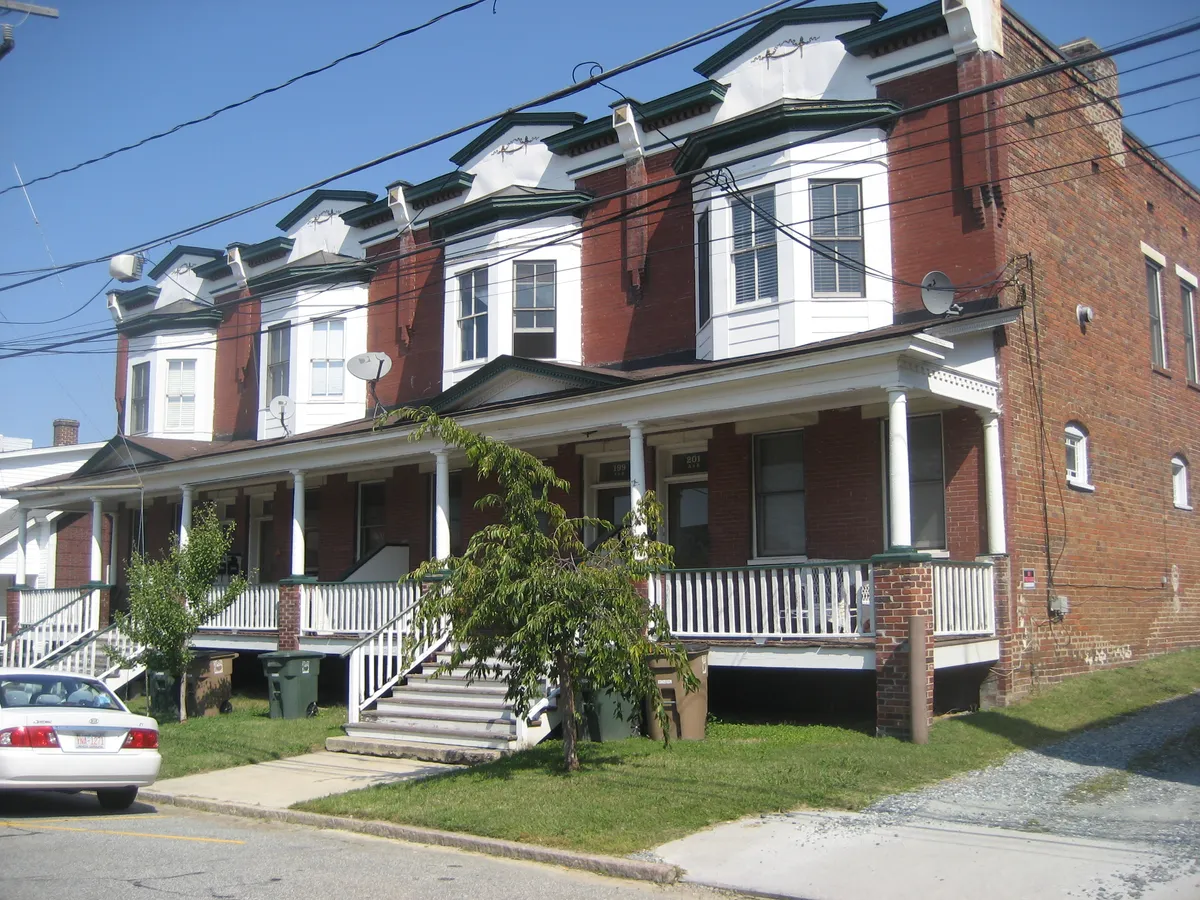
South Elm-Eugene area
The industrial zoning blending into older residential streets creates an environment with frequent late-night disturbances and loitering. Foot traffic dwindles rapidly after dusk, making anyone walking alone a prime target for opportunistic muggers. This is one of those areas to avoid in Greensboro unless you have a specific daytime destination to reach.
Glenwood neighborhood
Despite some slow gentrification efforts, the deep residential pockets of Glenwood still struggle, and opportunistic break-ins plague residents consistently. The narrow streets and limited lighting make it easy for perpetrators to vanish into alleys before authorities arrive. Do not walk alone through Glenwood alleys after midnight.
Randleman Road stretches
This heavy commercial stretch is notorious for cheap motels and the kind of heavy foot traffic and loitering that brings illicit transactions out into the open. The intersection corners often host aggressive panhandling and erratic behavior from individuals battling substance abuse. Keep your windows rolled up when stopped at red lights along the deeper segments.
Warnersville
As one of the oldest historically Black communities, it has a rich heritage but is currently a historical area struggling with poverty and gang-related territorial disputes. The community is working hard to reclaim their streets, but visitors should avoid random nighttime strolls through the residential grids. Sticking to the main thoroughfares is the smartest strategy if you are just passing through.
If you flash a high-end smartphone at a bus stop on Randleman, you are basically volunteering to donate it." - Local night-shift EMT
Quick threat assessment
To help you memorize the local risk landscape, here is a brief geographical breakdown of the hotspots.
| Zone | Risk Level | Primary Concern |
|---|---|---|
| Phillips Avenue | High | Violent crime |
| East Market (Deep blocks) | High | Targeted property theft |
| Randleman Road | Moderate-High | Aggressive street harassment |
| Glenwood | Moderate | Overnight residential burglaries |
Which is the most dangerous neighborhood in Greensboro?
If you ask seasoned locals or study the municipal heat maps, the undeniable epicenter of trouble is Phillips Avenue.
This northern stretch has suffered from decades of systemic neglect, leading to an environment where gang-related activity spikes predictably during the warmer months. The apartment complexes clustered around this avenue frequently see rapid police responses for violent altercations and narcotics operations. It is not a place for urban exploration or casual sightseeing by out-of-towners.
Even daytime visits to convenience stores along this route can feel tense, as territorial disputes often spill out into commercial parking lots. Delivery drivers frequently refuse evening shifts in this specific zip code due to the high probability of armed robberies. If your GPS routes you through here to beat highway traffic, rerouting is your safest bet.
Citywide crime at a glance
How Greensboro compares as a whole
Official FBI figures for the entire city, not a single neighborhood: offenses per 100,000 residents in 2025, reported by the Greensboro Police Department. Crime is concentrated in a few areas, so most of the city sits well below these averages.
Violent crime
704 per 100k
2.1× the US rate
-20% since 2021
Murder, rape, robbery and aggravated assault · 2,183 offenses in 2025
Property crime
2,981 per 100k
1.9× the US rate
-17% since 2021
Burglary, theft, vehicle theft and arson · 9,252 offenses in 2025
Source: FBI Crime Data Explorer. Dashed line: US average. Police jurisdiction may not match city limits exactly. How we use this data
The epidemic of vehicle break-ins
While homicides catch the headlines, the most likely crime you will face is having your car targeted by roaming thieves. Criminal rings look for out-of-state plates and anyone leaving valuables in plain sight on passenger seats. The downtown parking decks, while relatively patrolled, are not immune to these lightning-fast incursions.
Understanding these vital Greensboro safety tips is the difference between a great trip and a nightmare at the rental car agency. Because smash and grabs happen fast, usually taking less than ten seconds, an alarm system rarely deters a motivated thief carrying a spark plug to shatter your glass.
Shielding your rental car
Your best defense is maintaining a sterile vehicle interior where absolutely nothing is visible from the exterior windows. Always try to park under bright street lights or directly in the line of sight of a business security camera. If you must store luggage, lock it in the trunk before you arrive at your final parking destination.
Street smarts for the Triad
Navigating the concrete requires more than just a map; blending in matters most when you cross into transitional zones. Looking like a lost tourist staring at Google Maps is a universal beacon for scammers and opportunists. Walk with purpose, keep your chin up, and project quiet confidence wherever you go.
- Walk aggressively and keep your head up rather than buried in your phone screen.
- If approached by strangers at gas stations, ignore aggressive panhandlers and firmly walk away.
- After dark, always stick to major avenues rather than taking shortcuts through dark residential blocks.
- Trust your intuition; if a block feels tense, cross the street immediately without hesitating.
- When using rideshares, verify the license plate before ever reaching for the door handle.
Survival checklist do's and don'ts
Keep these rapid-fire rules in your mind to drastically reduce your risk profile while visiting.
Do
- Trust your gut instinct when a situation feels artificially friendly.
- Carry a compact flashlight if you plan on walking to your hotel after dinner.
Don't
- Flash expensive jewelry or massive camera rigs in transitional zones.
- Engage with street debaters or anyone trying to force a flyer into your hand.
Finding sanctuary in Greensboro
Fortunately, the city is not a monolith of danger, and there are plenty of secure havens where you can relax and enjoy the Southern hospitality. The western and northwestern quadrants of the city generally feature heavy community investment and proactive neighborhood watches. These are the districts where you can comfortably stroll to a local cafe without looking over your shoulder.
Fisher Park
Bordering the northern edge of downtown, this area is both historic and heavily patrolled by private security and municipal police alike. The beautiful old homes are surrounded by wide sidewalks and mature trees, creating an incredibly peaceful environment. It is arguably the best spot for morning jogs or leisurely afternoon dog walks.
Lindley Park
Located further west, this neighborhood boasts a vibrant community watch presence and a fantastic tight-knit local culture. The corner stores and local pubs here form a micro-economy where business owners actively keep an eye on the streets. You can safely enjoy the outdoor patios well into the evening here.
Surviving the after dark hours
When the sun sets over the Piedmont, the vibe shifts dramatically across the city grid. The bustling daytime commercial sectors often empty out completely, leaving vast expanses of unlit sidewalks between entertainment districts. Local tip Stick to Elm Street if you are exploring downtown nightlife, as it retains foot traffic and police presence.
The golden rule for the nightlife crowd is to never walk home intoxicated under any circumstances. The few blocks between a crowded bar and your quiet Airbnb might seem trivial, but that is exactly where muggings occur. Budget for a late-night taxi and consider it a non-negotiable insurance policy for your trip.
Who to call when things go sideways
In the unlikely event that you find yourself in a bind, you need to memorize these crucial contacts instead of scrambling on Google. The local emergency infrastructure is robust, but knowing exactly which service to summon saves precious minutes. Keep these saved in your phone before your flight even lands.
- EmergencyPolice non-emergency: Dial 336-373-2222, as dispatch is surprisingly responsive for noise complaints and suspicious loitering.
- MedicalMedical: The local Cone Health handles major trauma and has heavily secured emergency room entrances.
- Getting aroundTransport: Local rideshares are safer late than relying on the limited public bus schedule.
- Good to knowEmbassy/Consulate: If you are an international traveler, know your nearest consulate location in Atlanta or DC.
Busting the downtown danger myth
There is a persistent rumor among suburbanites that the entire downtown core is a lawless wasteland after 5 PM. In reality, this is mostly a suburban paranoia fueled by social media echo chambers rather than actual crime statistics. The central business district, especially around the main parks and theaters, is heavily monitored and actively maintained to protect the tourism revenue.
People out in the county act like downtown is a warzone, but the biggest danger on Elm Street is paying eight dollars for a craft beer.
While you should absolutely avoid wandering into the empty industrial lots bordering the train tracks, the core entertainment zones are fine. Sensible urban precautions apply, but there is no need to treat a Friday night dinner reservation like a tactical military operation.
Frequently asked questions about staying secure
Still have doubts about navigating the streets? These answers will help clear up the confusion because knowledge is your best armor.
Is public transit dangerous?
The regional bus system is heavily utilized by commuters and buses are generally fine during normal daylight operating hours. However, waiting at isolated bus stops on the outskirts after dark can expose you to unwanted harassment, so use rideshares at night.
Are college campuses secure?
The immediate borders of UNCG and NC A&T are heavily monitored because campus police patrol heavily to protect the student populations. Just be aware that the safety bubble bursts quickly once you walk a few blocks away from the official campus housing.
Should I avoid walking at night?
If you are outside the immediate downtown entertainment district or Fisher Park, you should stick to well-lit paths or avoid walking entirely. The lack of pedestrian infrastructure in many transitional zones means you become an easy target in the dark.
Packing your bags for the Gate City
Ultimately, a trip to this North Carolina hub does not have to be an exercise in extreme paranoia. As long as you respect the geographical boundaries and understand that common sense goes far, your chances of encountering real trouble remain incredibly low. The city has a rich history, excellent food, and a resilient culture that is well worth experiencing.
Keep your head on a swivel, secure your rental car diligently, and don't let fear paralyze your travel itinerary. By acknowledging the reality of the streets and preparing accordingly, you can dive into the best parts of the city while effortlessly bypassing the worst.
This guide is general safety information, not a guarantee of safety. Conditions change; check local news and official sources before you go. In an emergency, call 911.
Nearby city guides
More city guides in North Carolina
 Charlotte
 Raleigh
 Cary
 Concord
 Durham
 Fayetteville
 High Point
 Wilmington