


Dangerous Neighborhoods in Dayton
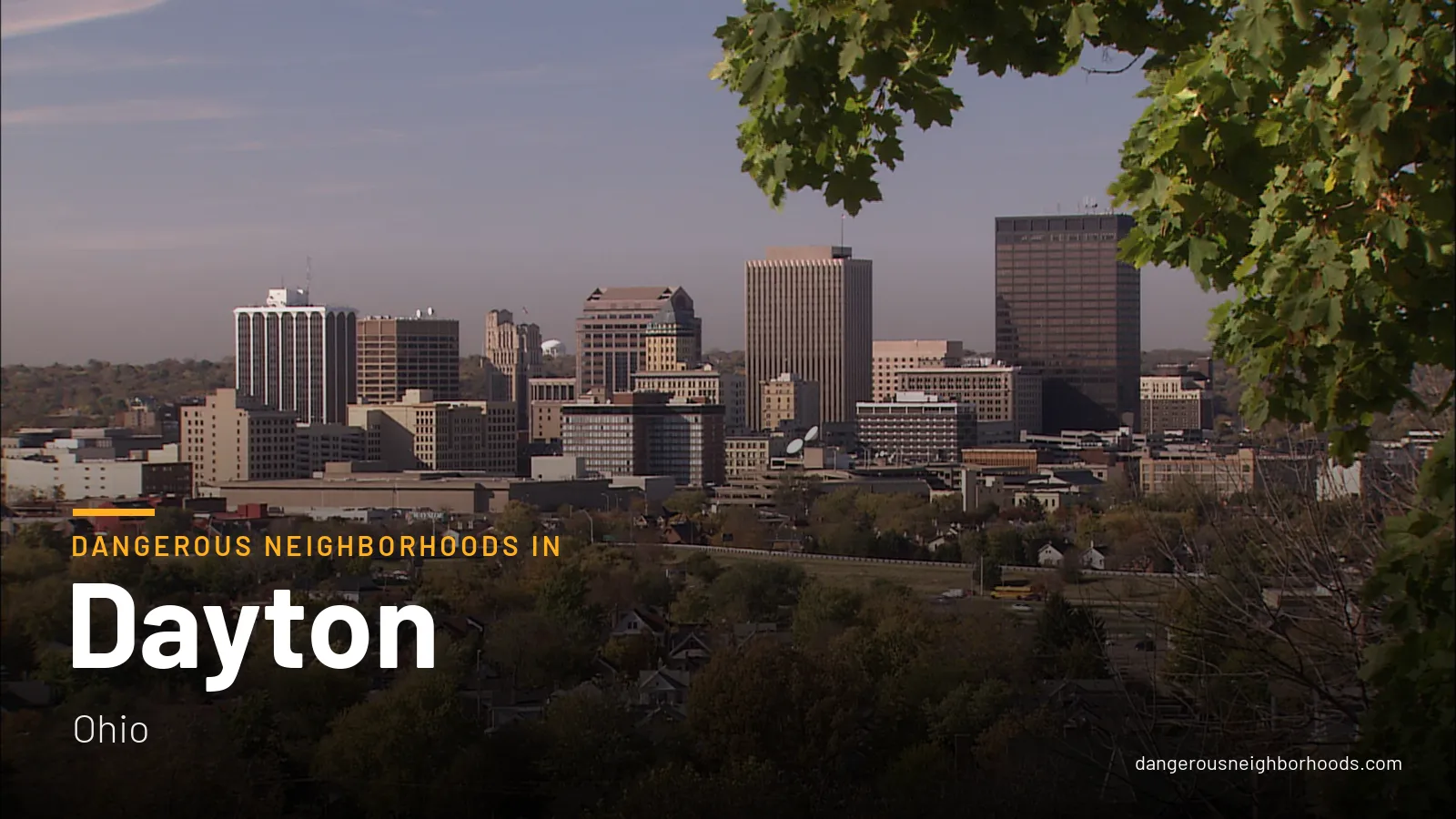
If you are planning a trip to the Gem City, figuring out if is Dayton safe should be one of your top priorities. Like many post-industrial Midwestern cities, it struggles with property crime and uneven economic recovery that drastically changes the landscape from one street to the next.
The reality of urban safety here is entirely based on your immediate location, requiring visitors to understand the block by block reality rather than relying on broad citywide statistics. Being aware of your surroundings is your best defense against becoming a target of opportunity.
To help you navigate without unnecessary anxiety, we need to break down the worst neighborhoods in Dayton so you can plan your routes accordingly. Knowing where not to go is just as important as mapping out your tourist destinations.
The roots of urban decay and recovery
Dayton was once a thriving hub of innovation and manufacturing, but decades of economic shifts led to a massive loss of jobs. As factories closed their doors, many residential areas experienced severe population drain and plunging property values.
This economic vacuum created fertile ground for systemic issues, leaving entire communities deprived of essential resources and municipal funding. The visual evidence of this decline is still prominent on the city's west and east sides.
How the opioid epidemic reshaped the streets
In recent years, the region was hit disproportionately hard by addiction, which shattered entire local families and drastically altered the safety dynamics of the city. While massive progress has been made, the lingering effects are still visible in certain districts.
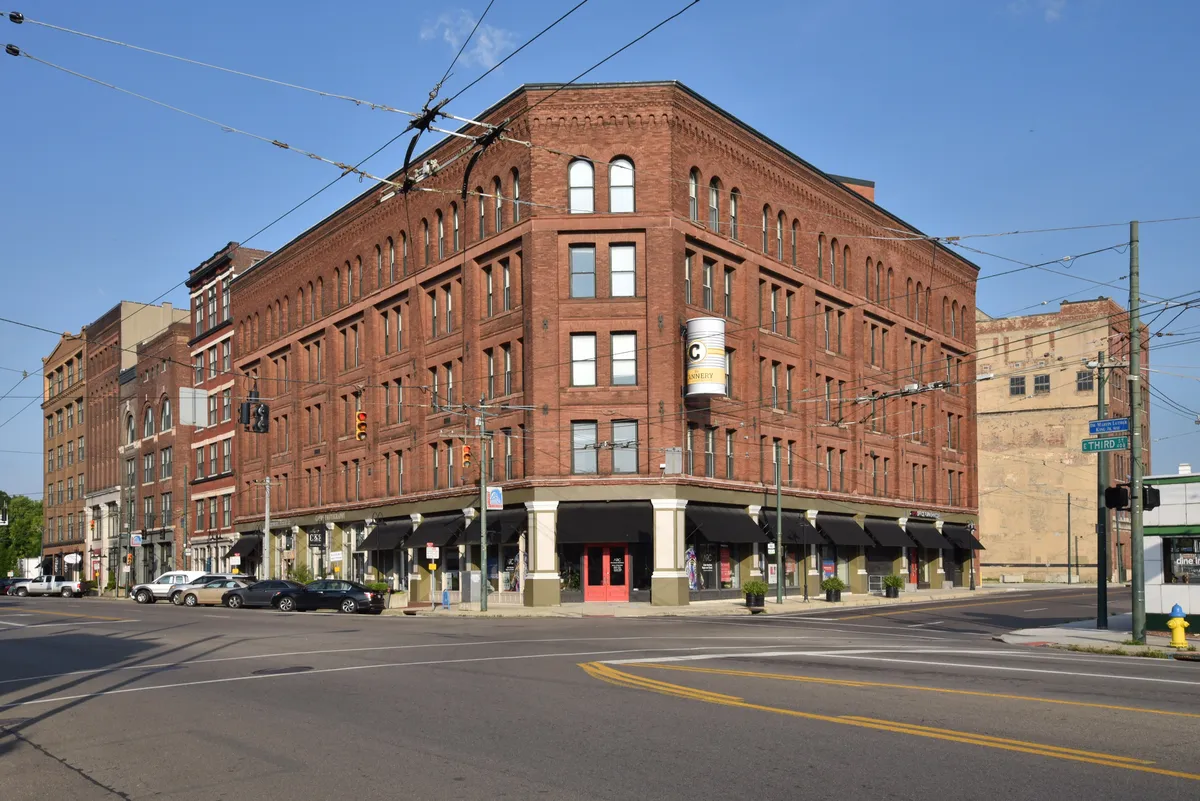
Desperation fueled by addiction inevitably leads to a spike in opportunistic property crimes, as individuals look for quick ways to fund their habits. This means visitors are less likely to face violent muggings and more likely to deal with vehicle break-ins.
You can literally cross a single avenue and feel like you entered a completely different city. Always trust your instincts when the scenery changes.
Mapping the highest risk zones in Dayton
When locals talk about the bad areas in Dayton, they are usually referring to specific pockets that have yet to see any meaningful revitalization. Avoiding these zones drastically reduces your risk of encountering trouble.
Areas to avoid
Safer areas to stay
Circles show approximate areas, not exact borders. Tap a zone for details.
Miami Chapel
This area has struggled for years with a high volume of abandoned residential properties, which tend to attract illicit late-night activity. The lack of active community watch programs makes it an easy target for petty criminals.
Hillcrest
While some streets remain quiet and family-oriented, Hillcrest is notorious for sudden late night violent altercations that usually stem from localized disputes. There is absolutely no reason for a tourist to wander through here after sunset.
Santa Clara
Property crime is the name of the game in Santa Clara, specifically when it comes to unattended street parking. Vehicles left overnight are frequently targeted for smash-and-grabs or catalytic converter thefts.
Wolf Creek
Consistently ranking high on the list of neighborhoods to avoid in Dayton, Wolf Creek suffers from sparse street lighting and significant economic distress. The desolate atmosphere makes it incredibly unwelcoming for outsiders.
Quick reference risk chart
| Westwood | Very High | Violent crime |
Miami Chapel | Very High | Drug-related activity |
Hillcrest | High | Localized violence |
Santa Clara | Moderate | Aggressive auto theft |
Which is the most dangerous neighborhood in Dayton?
Statistics and continuous police reports consistently point to Westwood as the area with the highest concentration of violent crime.
Decades of redlining and a historic lack of investment have left this neighborhood highly vulnerable to gang activity and open-air drug markets. The infrastructure is crumbling, and police response times can sometimes lag due to the sheer volume of calls.
If your GPS accidentally routes you through this district, it is highly recommended to keep your doors locked and continue driving to a main highway. There are no tourist attractions here, so your presence will immediately stand out.
Citywide crime at a glance
How Dayton compares as a whole
Official FBI figures for the entire city, not a single neighborhood: offenses per 100,000 residents in 2025, reported by the Dayton Police Department. Crime is concentrated in a few areas, so most of the city sits well below these averages.
Violent crime
1,229 per 100k
3.7× the US rate
+18% since 2021
Murder, rape, robbery and aggravated assault · 1,672 offenses in 2025
Property crime
4,028 per 100k
2.6× the US rate
+10% since 2021
Burglary, theft, vehicle theft and arson · 5,480 offenses in 2025
Source: FBI Crime Data Explorer. Dashed line: US average. Police jurisdiction may not match city limits exactly. How we use this data
The epidemic of opportunistic auto theft
One of the most persistent issues regarding crime in Dayton doesn't involve violent muggings, but rather an explosion of vehicle-related offenses. Local crews have targeted specific car models, particularly older Kias and Hyundais, exploiting well-known security flaws.
Even if they don't steal the entire car, thieves can have your catalytic converter sawed off in minutes while you are dining downtown. This highly lucrative black market trade shows no signs of slowing down.
Borderline areas currently declining
Not every rough neighborhood started out that way, and some historic districts are currently experiencing a noticeable slide backward. Areas like Twin Towers are seeing rapidly shifting demographic trends that have brought increased nuisance crimes.
Similarly, the Roosevelt area has required frequent police patrols recently to manage a surge in property disputes and loitering. It is a transitional zone where extreme caution is advised if you find yourself walking alone.
Street smarts and daily survival
Staying safe isn't about paranoia; it is about adopting practical habits that make you a hard target. If you follow standard Dayton safety tips, your chances of a hassle-free trip increase almost exponentially.
- Always hide your valuable electronics before you even park your vehicle.
- Consistently stay aware of surroundings when exiting bars or restaurants downtown.
- Purposefully avoid confrontational behavior with panhandlers or erratic individuals on the street.
- Make sure to stick to well lit avenues instead of using dark alleys as shortcuts.
Do's and Don'ts for visitors
Do
- Trust your gut instinct if a specific block suddenly feels abandoned or hostile.
- Ask hotel staff about the safest walking routes to your intended destination.
Don't
- Flash expensive jewelry or massive amounts of cash at local gas stations.
- Engage with aggressive strangers who approach your car at red lights.
Reliable areas for peace of mind
Despite the grim statistics in certain zip codes, the city actually offers plenty of secure enclaves where residents and visitors go about their daily lives without fear. These neighborhoods benefit from active community engagement.
Oakwood
Technically its own municipality but functionally integrated into the city's fabric, Oakwood boasts practically zero violent crime. Its heavily policed, affluent streets make it one of the most secure places in the entire region.
Patterson Park
This is a quiet, tight-knit residential area that benefits greatly from a strong neighborhood watch mentality. Families take pride in their properties, and suspicious activity is reported to authorities immediately.
The Oregon District
As the premier entertainment and dining hub, this historic downtown corridor maintains a vibrant nightlife scene that naturally deters petty crime through sheer crowd volume. It is heavily patrolled and highly recommended for visitors.
I've lived in Patterson Park for fifteen years and never locked my back door during the daytime.
Navigating Dayton after dark
The atmosphere of the city transforms quite drastically once the sun goes down and the commuters leave. The downtown business core empties out significantly, leaving pedestrian traffic mostly concentrated around a few specific entertainment blocks.
Transport logistics and emergency contacts
Getting around safely requires a bit of planning, especially if you do not have your own rental car. Thankfully, there are reliable transit options available as long as you know how to use them properly.
- EmergencyPolice: For any immediate threat or violent encounter, always dial 911 first.
- Getting aroundRTA Buses: They are dependable, but try to stick to daytime routes to avoid waiting at empty stops at night.
- Getting aroundRideshares: Always check the license plate and verify your driver before stepping into the vehicle.
Decoding local street slang and myths
There is a widespread misconception that the entire west side of the river is an apocalyptic wasteland, which is simply untrue. While there are severe hotspots, there are also pockets of strong community pride scattered throughout the area.
If you hear locals referring to an area as "sketchy" or "hot," you should pay attention to local cues and steer clear. These terms usually mean the police are currently conducting operations or gang tensions are temporarily elevated.
Frequently asked questions about urban safety
Still have doubts before booking your trip? These common questions will clear up common concerns regarding your daily security.
Is public transit safe to use?
Taking the bus is perfectly fine during daylight hours, especially on major commuter routes. However, waiting at isolated bus stops late at night is highly discouraged due to loitering.
Are the downtown entertainment districts secure?
Yes, areas like the Oregon District maintain a heavy police presence on weekends to ensure patrons stay safe. Just practice standard situational awareness when walking back to your parking garage.
Can I walk around alone at night?
Wandering aimlessly outside of designated entertainment zones is highly advised against for tourists. The transition from a safe street to a dangerous block can happen faster than you realize.
Navigating the Gem city with confidence
Visiting this resilient Midwestern hub does not have to be a stressful experience if you maintain proper perspective. Adopting a mindset of awareness over paranoia allows you to experience the authentic culture without becoming a victim.
Stick to the populated districts, secure your vehicle meticulously, and enjoy the rich history that the aviation capital of the world has to offer. The vast majority of visitors come and go without experiencing a single negative incident.
Keep your head on a swivel, respect the local boundaries, and safe travels out there on your journey through Ohio.
This guide is general safety information, not a guarantee of safety. Conditions change; check local news and official sources before you go. In an emergency, call 911.