
Dangerous Neighborhoods in Charleston, South Carolina
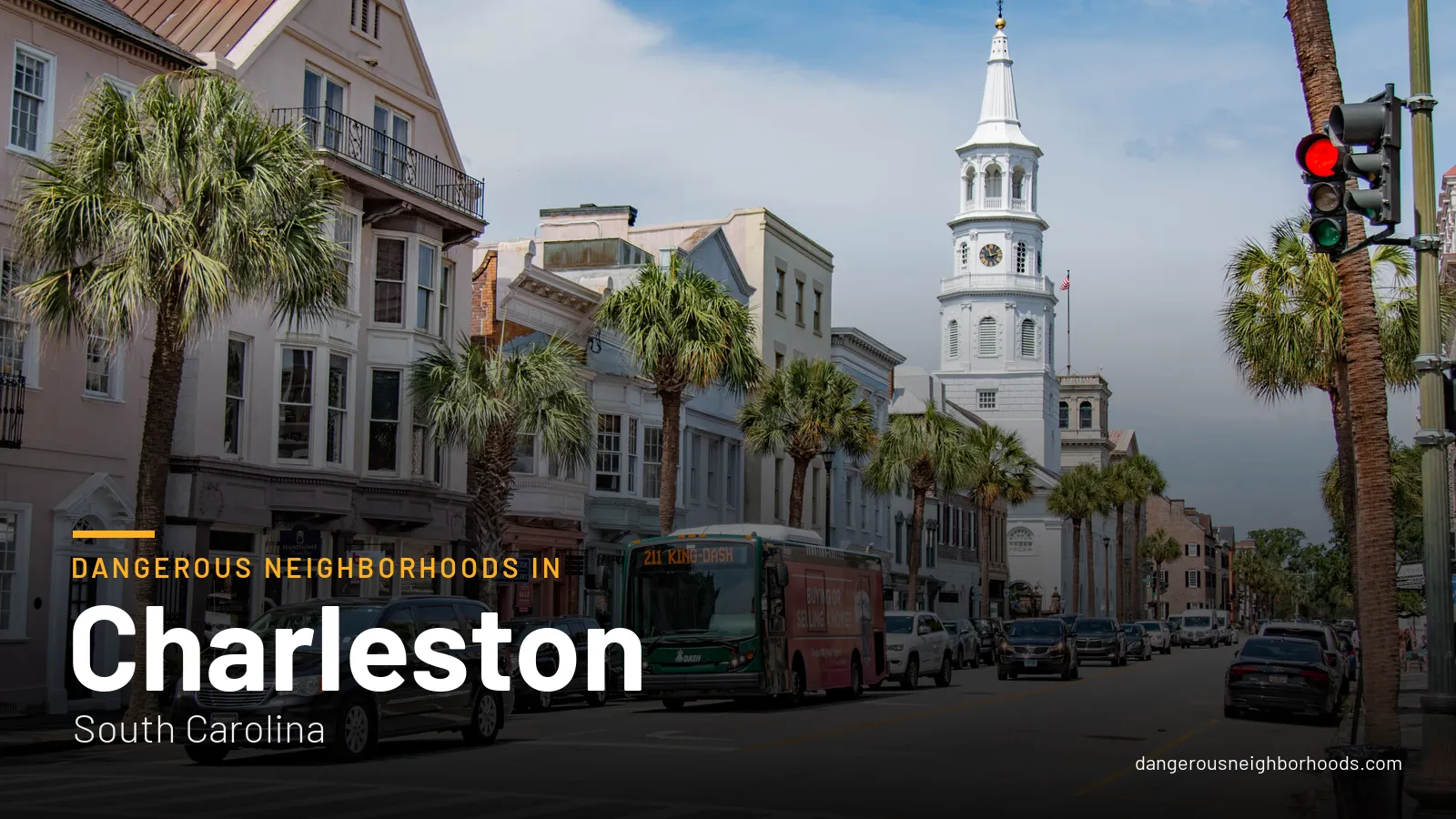
Charleston paints a beautiful picture of cobblestone streets and historic mansions, but this postcard image hides a much grittier reality. While tourists flock to the Battery, locals know there is a stark dividing line that dictates where you should and shouldn't wander. When newcomers ask if is Charleston safe, they usually receive a highly sanitized answer from the tourism board.
The truth is that the Holy City struggles with deep economic disparities that fuel localized violence. You won't find trouble looking for you in the historic district, but wandering off the beaten path can quickly put you in vulnerable situations. Understanding the geographical layout is absolutely crucial before you book your trip.
The geographical roots of urban tension
To understand the current landscape, you have to look at the massive gentrification wave sweeping through the peninsula. Wealth has aggressively pushed northward, displacing generational communities into specific pockets of the upper peninsula and North Charleston. This rapid shift creates undeniable friction zones.
Much of the visible crime in Charleston is concentrated in areas suffering from systemic neglect. The contrast is jarring when you realize that just a ten-minute drive from multi-million dollar waterfront estates, families struggle with extreme poverty and gang-related territorial disputes.
Tourists rarely stumble into these northern zones by accident, but those looking for cheaper Airbnb rates often make crucial miscalculations. The highway corridors acting as invisible borders are exactly where opportunistic criminals target out-of-towners who appear lost or distracted.
Navigating the most treacherous zones in Charleston
If you want to keep your vacation strictly stress-free, you need to map out the bad areas in Charleston before arriving. The following districts consistently show up on local police blotters and are simply not meant for casual sightseeing.
Areas to avoid
Safer areas to stay
Circles show approximate areas, not exact borders. Tap a zone for details.
Chicora-Cherokee
Technically part of North Charleston, this neighborhood frequently tops the local crime charts due to severe gang activity. Gun violence and drug-related offenses are an unfortunate reality here, making it one of the most undeniable neighborhoods to avoid in Charleston if you value your safety. Do not walk here under any circumstances.
Waylyn
Sitting uncomfortably close to major thoroughfares, Waylyn suffers from high rates of aggravated assault and burglaries. The street lighting is incredibly poor, and abandoned properties serve as hotspots for illicit activities. If your GPS routes you through here to beat traffic, it is far better to stay on the main interstate.
Accabee
Another historically troubled pocket where economic depression has paved the way for open-air drug markets. The police presence is largely reactive rather than preventative, which emboldens petty criminals. Walking alone across the unlit sections of the neck at night is asking for a mugging.
Rosemont
Tucked away near industrial zones, Rosemont is geographically isolated, which makes it an ideal spot for chop shops and localized violence. The lack of commercial activity means there are very few bystanders around if things go wrong. It undoubtedly ranks among the worst areas in Charleston, so keep your doors locked if driving nearby.
Quick threat assessment matrix
| District | Threat Level | Primary Risk |
|---|---|---|
| Chicora-Cherokee | Severe | Violent crime and crossfire |
| Waylyn | High | Robbery and assaults |
| Accabee | High | Narcotics and muggings |
| Rosemont | Moderate-High | Property theft and isolation |
Which is the most dangerous neighborhood in Charleston?
If we look purely at the concentration of violent crime, the most dangerous area is undeniably Chicora-Cherokee.
This neighborhood has struggled for decades with a lethal combination of gang violence and systemic poverty that authorities have largely failed to mitigate. Drive-by shootings and armed robberies occur with alarming frequency, creating a chaotic environment where innocent bystanders are occasionally caught in the crossfire. Even long-time residents advise against visiting.
While local initiatives are desperately trying to turn the tide, the reality on the ground remains harsh. It is not an area that offers any cultural or historical sites for visitors, meaning there is absolutely zero justification for a tourist to ever step foot inside its boundaries.
Citywide crime at a glance
How Charleston compares as a whole
Official FBI figures for the entire city, not a single neighborhood: offenses per 100,000 residents in 2025, reported by the Charleston Police Department. Crime is concentrated in a few areas, so most of the city sits well below these averages.
Violent crime
281 per 100k
15% below the US rate
-36% since 2021
Murder, rape, robbery and aggravated assault · 447 offenses in 2025
Property crime
1,613 per 100k
close to the US rate
-28% since 2021
Burglary, theft, vehicle theft and arson · 2,571 offenses in 2025
Source: FBI Crime Data Explorer. Dashed line: US average. Police jurisdiction may not match city limits exactly. How we use this data
The realities of vehicle break-ins and property theft
Even in the most pristine historic districts, property crime remains a massive headache. The tourist economy makes the downtown peninsula a highly lucrative hunting ground for organized theft rings. Criminals know that vacationers routinely leave expensive items exposed on their car seats while taking carriage tours.
Rental cars are specifically targeted because they usually belong to out-of-towners carrying cash, laptops, or jewelry. You will routinely see shattered window glass near popular parking garages just a few blocks from the main shopping corridors. Complacency is your biggest enemy when parking downtown.
Defensive parking strategies
Protecting your vehicle requires an active effort rather than just hoping for the best. Follow these straightforward rules to ensure your car remains untouched during your visit.
- Always choose structured parking garages over dark residential side streets.
- Leave absolutely nothing visible inside the cabin, not even charging cables or loose change.
- Ensure your trunk is packed before you reach your destination so nobody watches you store valuables.
Street smarts for the Lowcountry
Staying out of trouble here rarely requires tactical training, but it does demand a healthy dose of situational awareness. By adopting a few basic habits, you can dramatically lower your personal risk profile while enjoying the local hospitality.
- Map out your walking routes before leaving the hotel so you do not stare at your phone on dark corners.
- Limit your alcohol intake if you plan to navigate the sprawling side streets late at night.
- If a stranger approaches you aggressively demanding a lighter or the time, politely keep moving without stopping.
- Trust your gut instinct immediately if a specific block suddenly feels abandoned or poorly lit.
- Only use official rideshare apps rather than accepting rides from unofficial taxis hovering near bars.
Tourists always think the southern charm means everyone is their friend. If you flash your wallet near Meeting Street at 2 AM, you're just donating it.
Do's and don'ts for visitors
Navigating this coastal city successfully comes down to knowing exactly how to behave in public spaces. Here is a quick cheat sheet to keep you completely out of harm's way.
Do
- Utilize pedicabs if you need to travel short distances safely after dark.
- Stick to the heavily trafficked tourist corridors when exploring the historic architecture.
Don't
- Engage with overly aggressive panhandlers who linger near the waterfront parks.
- Assume pedestrian crosswalks will protect you, as distracted driving is rampant here.
Secure districts for your stay
Choosing the right base camp is half the battle when planning your itinerary. If you stick to the verified safe zones, you drastically reduce your exposure to the dangerous parts of Charleston and can focus on enjoying the culinary scene. These districts offer peace of mind and heavy police presence.
South of Broad
This is the quintessential historic district filled with breathtaking mansions and ancient oak trees. It is arguably the safest pocket in the entire city, though it is also the most expensive. You can comfortably walk here at night without constantly looking over your shoulder.
Mount Pleasant
Located just across the Arthur Ravenel Jr. Bridge, this suburban town offers incredible safety ratings and family-friendly amenities. It serves as a perfect buffer zone away from the urban grit. It is highly recommended if you prefer quiet nights and secure parking.
West Ashley
Offering a more affordable alternative without sacrificing your physical security, West Ashley is a residential haven. Stick to the neighborhoods closer to the river to ensure you avoid any sketchy commercial strips further inland. It is a highly practical choice for extended stays.
By securing lodging in these areas, you effortlessly avoid the areas to avoid in Charleston without compromising on convenience or local charm.
Surviving the after dark hours in Charleston
When the sun goes down, the atmosphere on the peninsula shifts drastically. Upper King Street transforms into a massive, alcohol-fueled party zone where college students and bachelor parties collide. While violent crime is rare here, bar brawls and extreme public intoxication are completely normalized.
The real danger at night lies in wandering away from the main entertainment strips. Just two or three blocks east or west of King Street, the crowds vanish, and the lighting becomes abysmal. Criminals specifically wait in these dark transitional zones to target heavily intoxicated tourists stumbling back to their rentals.
Getting around and calling for backup
Mobility is your best defense mechanism when exploring unfamiliar territory. Knowing exactly how to escape a sketchy situation can be the difference between a ruined night and a funny story. Always have a concrete exit strategy in place.
- Getting aroundUber and Lyft operate heavily downtown, so never risk a long walk in the dark.
- Getting aroundThe DASH shuttle is fantastic and free, but check the operating hours before relying on it.
- EmergencyDial 911 for true emergencies, but keep the non-emergency police number saved in your contacts for minor reports.
- Getting around♂️ If you feel followed, instantly walk into the nearest open bar or restaurant and alert the staff.
People think they can walk from Upper King to the Battery at midnight. That's a two-mile trek through empty residential zones where nobody will hear you scream.
Decoding local street slang and myths
You might hear locals throwing around terms that aren't on any tourist map. For instance, when people warn you about "The Neck," they are referring to the narrow strip of land connecting the peninsula to North Charleston. This is exactly where the majority of the industrial decay and urban blight is concentrated.
Another persistent myth is that any area north of the Crosstown (Septima Clark Parkway) is an absolute warzone. While it used to be heavily distressed, rapid gentrification has transformed massive chunks of it into trendy restaurant districts. However, the transition is block-by-block, meaning you can easily step out of a fancy cocktail bar and find yourself on an abandoned, unlit street.
Frequent questions from travelers
Still have doubts about planning your trip? These straight answers will help you finalize your itinerary safely.
Is it safe to walk at night in Charleston?
In the heavily populated areas like South of Broad and the French Quarter, yes. However, you should completely avoid walking through empty residential streets late at night, especially north of Calhoun Street where lighting diminishes rapidly.
Are the worst neighborhoods in Charleston near the airport?
The airport is located in North Charleston, which has serious crime pockets. While the terminal itself is completely secure, you should avoid stopping at gas stations immediately surrounding the airport corridor late at night.
Do I need to worry about violent crime as a tourist?
Statistically, tourists are rarely the victims of violent crime in this city. The violence is heavily localized within the known neighborhoods to avoid in Charleston. As a visitor, your primary concern should be thwarting opportunistic property thieves.
Is public transportation secure in the city?
The downtown DASH shuttles and regular CARTA buses are generally reliable during daylight hours. However, waiting at isolated bus stops in the upper peninsula after dark can make you an incredibly easy target for muggings.
Parting advice for the Holy City
Visiting this coastal gem shouldn't involve paranoia, but it absolutely requires a realistic approach to urban environments. You are stepping into a city with deep historical roots and equally deep modern inequalities. If you respect the geographical boundaries, your chances of encountering trouble are statistically quite close to zero.
Remember that southern hospitality is very real, but it doesn't extend to the criminal elements waiting on the outskirts. Keep your valuables hidden, stick to the well-trodden historic paths, and never let the beautiful architecture lull you into a false sense of total invincibility.
Plan your routes, use rideshares generously after midnight, and enjoy the incredible culinary scene. Stay sharp, trust your instincts, and you will leave with nothing but fantastic memories of your trip.
This guide is general safety information, not a guarantee of safety. Conditions change; check local news and official sources before you go. In an emergency, call 911.