Dangerous Neighborhoods in Lancaster
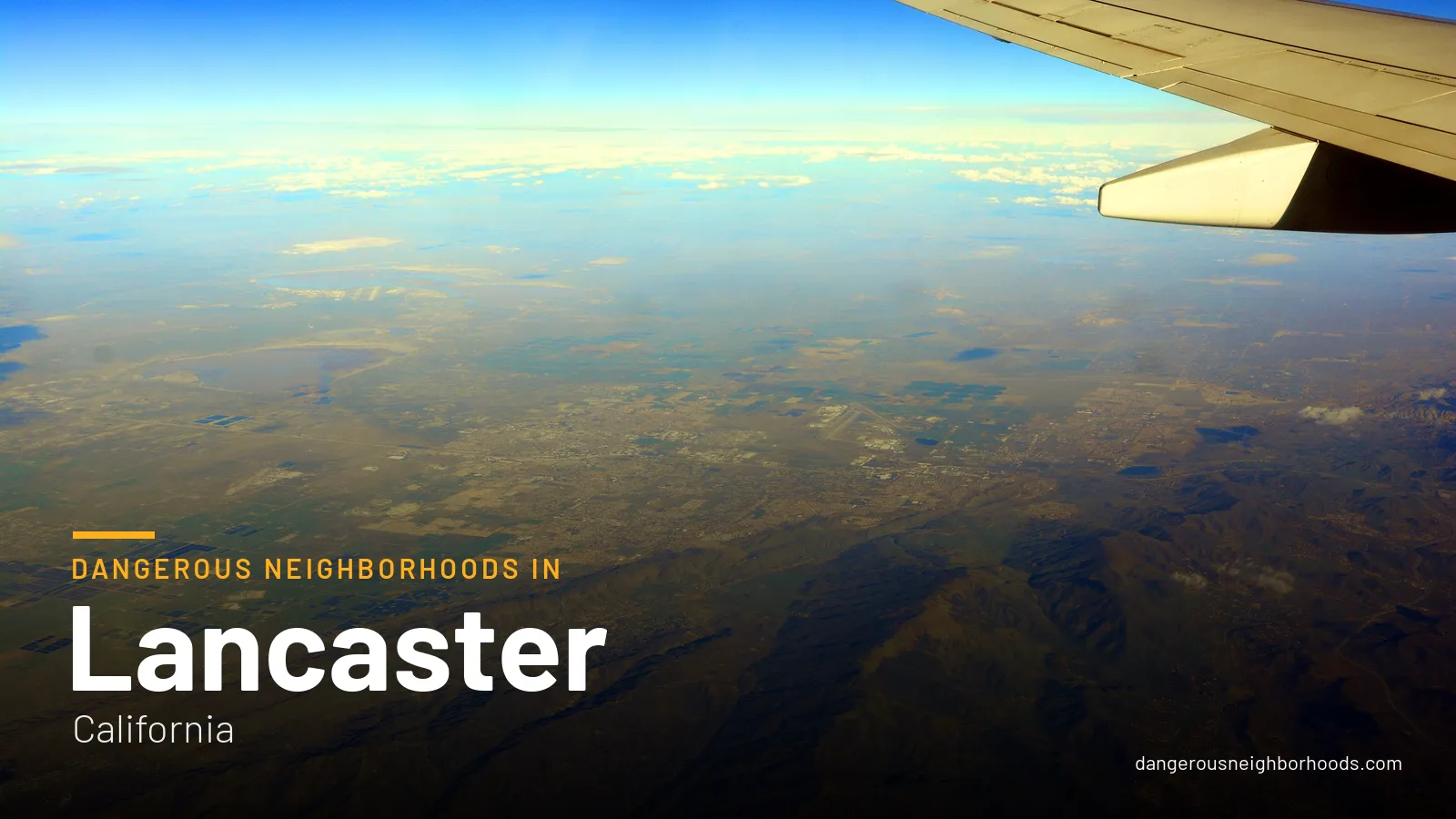
If you are looking at the Antelope Valley and wondering if the rumors are true, let's cut to the chase. Lancaster is a city of stark contrasts, where a ten-minute drive takes you from beautiful, manicured suburbs to streets where you definitely should not linger after dark. It is not the lawless wasteland some outsiders claim, but it has gritty pockets that demand attention.
The reality of safety here is tied to geography. The local rule of thumb is simple: things generally get rougher the further east you go, while the west side serves as the commuter's haven. Understanding the specific bad areas in Lancaster is not just about avoiding crime stats; it is about knowing which gas station to stop at and which one to drive past.
The shift from commuter town to complex city
Lancaster started as a quiet desert outpost and exploded into a commuter hub for Los Angeles. That rapid expansion brought affordable housing, but it also brought big-city problems without the big-city infrastructure to handle them. The population boom shifted the dynamic, creating dense pockets of poverty that sit uncomfortably close to new developments.
It is common to hear people debate whether the crime is homegrown or "imported" from down the hill. Regardless of the origin, the result is a city where property crime rates are significantly higher than the national average. You don't need to be paranoid, but you do need to be aware that a bicycle left unlocked in the front yard is essentially a donation.
The Section 8 factor and housing density
A major talking point in the Antelope Valley is the concentration of subsidized housing in specific grids. While housing assistance is vital, the dense clustering in older parts of the city has created socio-economic tension. These zones often correlate with the highest calls for service to the Sheriff's department, creating a cycle that is hard to break.
Zones that require elevated caution
When analyzing the layout, the division is almost surgical. The railroad tracks and Sierra Highway act as a psychological and physical barrier. If you are house hunting or just passing through, you need to know exactly where the risk spikes.
Areas to avoid
Safer areas to stay
Circles show approximate areas, not exact borders. Tap a zone for details.
The Grid (East of Sierra Highway)
This is the area most frequently cited by locals as the roughest part of town. The residential blocks between Avenue I and Avenue J, specifically east of Sierra Highway, see a high volume of activity. It is not just about gangs; it is about quality of life issues like loitering and aggressive panhandling.
Pierson and Gadsden Area
Specific streets carry heavy reputations. The apartment complexes around Pierson have historically been hotspots for disturbances. If you are driving through here, keep your windows rolled up and your doors locked. It is a transient area where arguments spill out onto the sidewalk regularly.
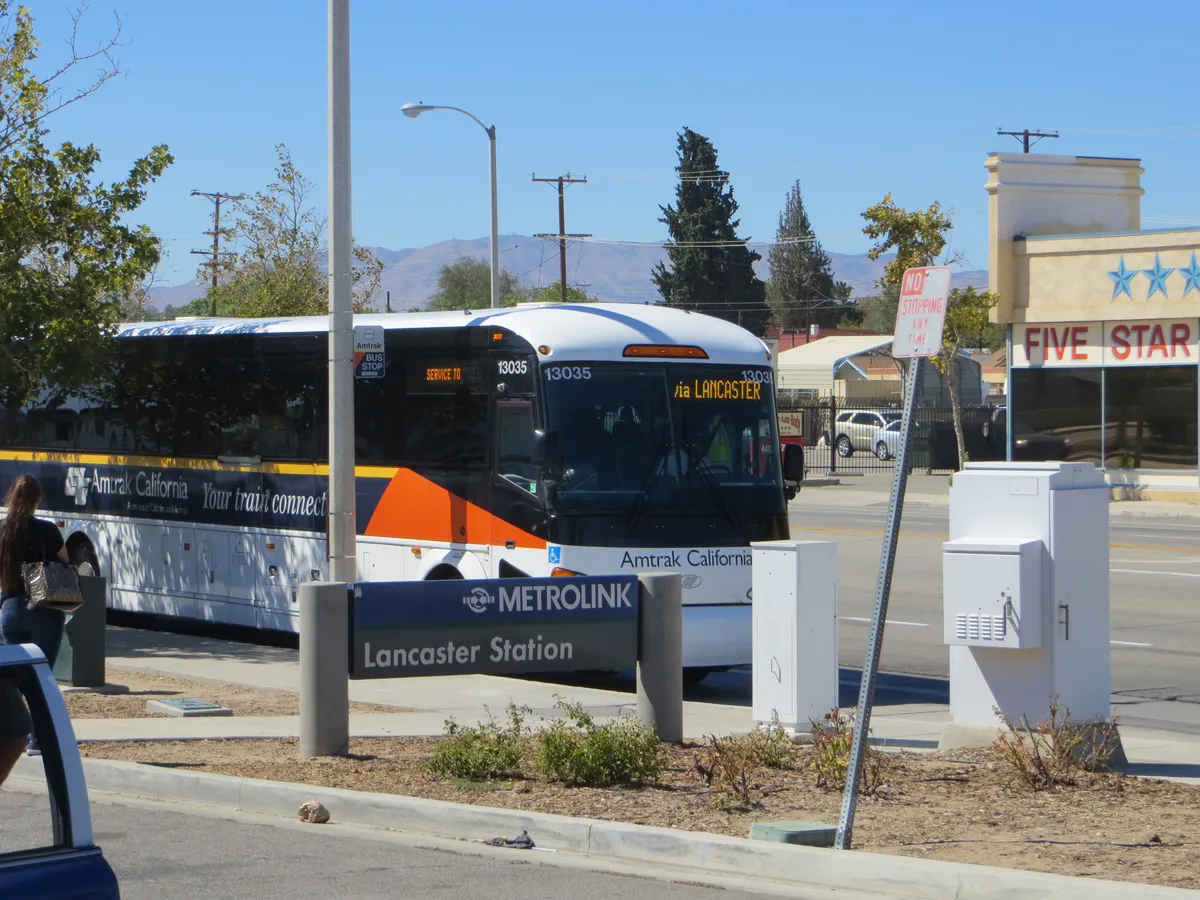
Near the Metrolink Station
Public transit hubs often attract trouble, and Lancaster is no exception. The area immediately surrounding the train station can feel sketchy, especially in the early evening. It is a magnet for transient populations moving between the high desert and the LA basin.
Northeast Lancaster (The Outskirts)
As you move further northeast, the city thins out into the desert, but isolation brings its own risks. These areas can be prone to illegal dumping and unmonitored activity. Emergency response times here can naturally be slower due to the distance from the city center.
I've lived here for twenty years. The difference between Avenue J and Avenue L is like two different planets. If you stay West, you're fine. If you go too far East, keep your head on a swivel.
Risk assessment breakdown
| Zone / District | Primary Risk | Intensity |
|---|---|---|
| Central East Side | Gang Activity / Assault | High |
| Sierra Hwy Corridor | Theft / Harassment | Medium-High |
| Downtown (The BLVD) | Vehicle Break-ins | Medium |
| West Lancaster | Package Theft | Low |
Which is the most dangerous neighborhood in Lancaster?
If we look at the density of police reports and violent crime statistics, the area commonly known as East Lancaster specifically the blocks between Division Street and 20th Street East, stands out. This "box" consistently registers the highest volume of incidents.
This area struggles with a combination of gang presence and narcotics issues. Walking here alone at night is strongly ill-advised. The lighting is often poor, and the street-level atmosphere can change rapidly from block to block.
Residents in this zone often employ extra security measures, such as bars on windows and reinforced doors. It is the epicenter of the city's struggle with violent crime, though community efforts are constantly trying to revitalize it.
Citywide crime at a glance
How Lancaster compares as a whole
Official FBI figures for the entire city, not a single neighborhood: offenses per 100,000 residents in 2025, reported by the Lancaster Police Department. Crime is concentrated in a few areas, so most of the city sits well below these averages.
Violent crime
767 per 100k
2.3× the US rate
-12% since 2022
Murder, rape, robbery and aggravated assault · 1,274 offenses in 2025
Property crime
1,627 per 100k
close to the US rate
-14% since 2022
Burglary, theft, vehicle theft and arson · 2,701 offenses in 2025
Source: FBI Crime Data Explorer. Dashed line: US average. No complete data for 2021. Police jurisdiction may not match city limits exactly. How we use this data
The property crime epidemic
While violent crime grabs headlines, the most pervasive issue in the city is theft. Lancaster has a serious problem with catalytic converter theft and vehicle burglaries. This isn't limited to the "bad" neighborhoods; it happens in the Target parking lots and driveway of nice homes too.
Commuters are prime targets. Leaving a laptop bag or even a gym bag visible in your car is an invitation. The thieves here are fast and often work in crews, scouting large parking areas during the day.
Areas showing signs of decline
It is worth noting that some formerly stable areas are starting to fray at the edges. The older commercial corridors along Avenue K, west of the freeway but east of 10th West, are seeing more vagrant activity. It isn't dangerous per se, but it is gritty. You will see more abandoned shopping carts and broken glass than you would have five years ago.
Finding peace in Lancaster
Despite the warnings, thousands of families live safely and happily here. The trick is almost always to look West. The area generally known as West Lancaster is the gold standard for safety in the valley.
Quartz Hill Border
Technically adjacent to Lancaster, the neighborhoods bordering Quartz Hill are highly desirable. Here, the biggest complaints are usually about traffic congestion during school drop-off rather than crime.
Rancho Vista Area
Located near the golf course, this area feels like a completely different city. The streets are wider, cleaner, and significantly quieter. It is the best bet for peace of mind if you are moving to the area with kids.
Navigating the dark hours
The city changes character when the sun goes down. The BLVD—Lancaster's revitalized downtown strip—is a double-edged sword. On weekends, it is lively and patrolled, making it relatively safe. However, on weeknights, the side streets and parking lots behind the main drag can feel desolate and unsafe.
Avoid the parks after sunset. Even the nice ones. Local ordinances prohibit it for a reason. The parks often become makeshift campsites at night, and stumbling into the wrong area can lead to confrontation.
Essential emergency info
Being prepared in the High Desert means knowing who to call and how to move. The vast distances between exits mean you need to be self-reliant.
- EmergencySheriff's Station: The Lancaster station is one of the busiest in the county. Response times can vary, so for non-emergencies, use the online reporting system.
- MedicalAntelope Valley Hospital: Located on 15th St West. It is the main trauma center. Expect long wait times in the ER on weekends.
- Getting aroundRoadside Assistance: AAA is virtually mandatory here. Getting stuck on a remote stretch of Avenue G in the summer heat is a serious health risk.
- Getting aroundFuel Awareness: Keep your tank above a quarter. Some gas stations in the sketchy zones attract aggressive panhandlers, so fuel up in the West side.
Top 5 safety rules for the AV
Surviving and thriving here is about street smarts and situational awareness. Here is the hierarchy of safety.
- Secure the Perimeter: Home security cameras are not a luxury here; they are a standard utility. Install a visible doorbell camera to deter package thieves.
- The Gas Station Rule: If a gas station looks dim or has people loitering at the pumps, keep driving. It is worth the extra mile to find a well-lit location.
- Defensive Driving: The streets are wide and fast. Red light running is an epidemic. Always wait a second after the light turns green before moving.
- Mind the Wind: This sounds trivial, but high winds can knock down fences and power lines. Secure your property to prevent debris damage.
- Avoid Conflict: Road rage is real and dangerous here. If someone cuts you off on the 14 freeway, let it go. Do not engage or escalate.
Do's and Don'ts
Do
- Shop at the marketplaces on 10th St West for a safer environment.
- Use the lock on your electrical panel if it is on the exterior of your house.
Don't
- Walk alone near the railroad tracks at any time of day.
- Leave your car running to warm up in the driveway, even for a minute.
Insider reality check
There is a local myth that "cheap rent makes it worth it." While the cost of living is lower than Los Angeles, the trade-off is the commute and the environment. Long-time locals often say the desert either "grows on you or pushes you out."
People move here for the big house, but they leave because they can't handle the commute or the grit. You have to respect the desert. It's not the suburbs; it's the edge of civilization." - 30-year Resident
Common questions about safety
Still have doubts? These answers will help you navigate the nuances of the city.
Is the Metrolink safe to ride to LA?
The train ride itself is generally safe and patrolled. However, the parking lot security at the Lancaster station can be hit or miss. Park as close to the lights and cameras as possible.
Is West Lancaster always safe?
Generally, yes, but no area is immune. Property crime spills over. Even in the gated communities, you must lock your car doors every single night.
Are the schools in Lancaster safe?
West side schools generally have better reputations and fewer incidents. The schools on the East side face more challenges related to gang activity and fighting.
Is it safe to walk at night in Lancaster?
In most residential neighborhoods of West Lancaster, walking a dog is fine. In East Lancaster or near commercial strips, it is highly discouraged to be a pedestrian after dark.
The soul of the high desert
Lancaster is a place of resilience. It is a city that battles against the elements and its own rapid growth. While the headlines often focus on the crime, there is a strong community of people who look out for each other, especially in the established neighborhoods.
Safety here is a proactive sport. It requires you to be alert, to know your boundaries, and to respect the divide between the safe zones and the gritty ones. If you come here with eyes wide open and common sense, the desert sky can be quite beautiful.
This guide is general safety information, not a guarantee of safety. Conditions change; check local news and official sources before you go. In an emergency, call 911.
Nearby city guides


More city guides in California
 Los Angeles
 San Diego
 San Jose
 San Francisco
 Fresno
 Sacramento
 Long Beach
 Oakland