Dangerous Neighborhoods in Oceanside
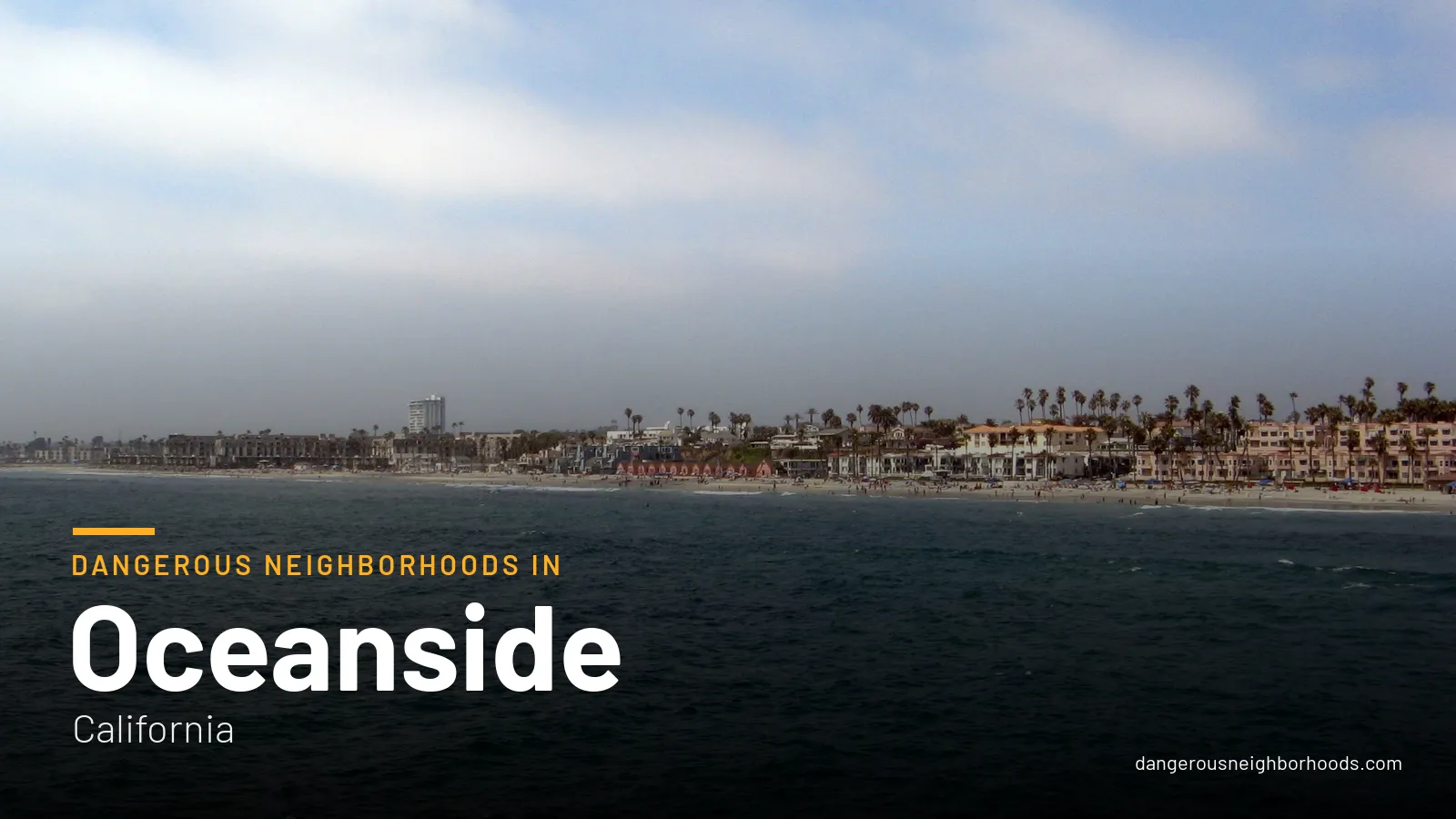
Oceanside has transformed dramatically over the last decade, shedding much of its gritty reputation to become a culinary and cultural hotspot. However, travelers asking is Oceanside safe need to understand that this city still holds onto its rough edges, largely due to its proximity to a major military base and historical gang territories.
The city operates on a block-by-block basis where a multi-million dollar condo can sit just streets away from a known trouble spot. While the tourist zones along the coast are generally heavily patrolled and secure, venturing inland requires more street smarts and awareness of your surroundings.
It is not a war zone, but it isn't a sanitize resort town either. You will find a distinct mix of surfers, Marines, and locals who have lived through the city's rougher days. Knowing the areas to avoid in Oceanside is the key to enjoying the beach without the drama.
The Evolution of The O-side Grit
For decades, this city was defined almost exclusively by Camp Pendleton to the north. The influx of young Marines and the businesses that catered to them created a rough-and-tumble atmosphere that fueled a specific type of nightlife and, occasionally, conflict. While the "strip clubs and pawn shops" aesthetic has largely faded from the coast, the underlying energy remains.
Gentrification has pushed much of the visible crime away from the pier and the Strand. Developers have poured money into "South O" and the downtown grid, effectively pricing out some criminal elements, but displacing the issues to pockets further east. The contrast between the polished storefronts of the 101 and the inland valleys is stark.
From Territory to Real Estate
Historically, the city struggled with deep-rooted gang rivalries that claimed specific neighborhoods. While active violence has decreased significantly, territorial markings and older rivalries still exist in the quieter, residential pockets where tourists rarely go. The tension is now less about open conflict and more about socioeconomic divides.
Sectors With Higher Crime Activity
When locals talk about the worst neighborhoods in Oceanside, they are usually referring to specific pockets located inland, away from the coastal breeze. These areas aren't necessarily "no-go zones" during the day, but they demand a heightened level of vigilance that you don't need at the beach.
Where to take extra care
Safer areas to stay
Circles show approximate areas, not exact borders. Tap a zone for details.
Crown Heights (Eastside)
Often referred to as "Posole" by long-time residents, this neighborhood has the most notorious reputation in the city. Historically, it has been the epicenter of local gang activity and police calls. While community programs have improved the situation, it remains an area where walking alone at night is ill-advised for outsiders.
The Back Gate Area (San Luis Rey)
Located near the back entrance to Camp Pendleton, specifically around Libby Lake, this area feels isolated from the rest of the city. The park here has a tragic history of violence, and despite increased lighting and patrols, it feels desolate after dark. It is strictly a residential zone with no reason for a tourist to visit.
Tri-City Border Pockets
The area bordering Vista along the 78 corridor can be sketchy. Here, the issue is less about organized groups and more about transient activity and property theft. The commercial plazas and older apartment complexes in this sector see a higher volume of car break-ins and opportunistic crimes.
Nevada Street Corridor
Closer to the coast, the blocks immediately east of the train tracks, specifically around Nevada Street, can be unpredictable. You might see drug activity and loitering just a few blocks away from the trendy brewpubs. It is a transition zone where the gentrification hasn't quite finished its job.
Regional Threat Assessment
| Zone Name | Primary Risk | Vibe Check |
|---|---|---|
| Crown Heights | Gang Activity | High Tension |
| Coastal Strand | Petty Theft | Tourist Heavy |
| Libby Lake | Violent Crime | Isolated |
| South O | Car Break-ins | Relaxed/Hip |
Which is the most dangerous neighborhood in Oceanside?
Based on historical crime data and local consensus, the most dangerous area remains Crown Heights. This small neighborhood, tucked between Division Street and Brooks Street, consistently records higher incidents of violent crime compared to the rest of the city. It is a dense residential pocket that has struggled to shake its past.
The danger here is primarily internal, involving disputes between residents, but innocent bystanders can get caught in the crossfire. Avoid this area completely after the sun goes down, as the lighting is poor and foot traffic consists almost entirely of locals who know the unspoken rules of the block.
Citywide crime at a glance
How Oceanside compares as a whole
Official FBI figures for the entire city, not a single neighborhood: offenses per 100,000 residents in 2025, reported by the Oceanside Police Department. Crime is concentrated in a few areas, so most of the city sits well below these averages.
Violent crime
386 per 100k
1.2× the US rate
-18% since 2021
Murder, rape, robbery and aggravated assault · 657 offenses in 2025
Property crime
1,547 per 100k
close to the US rate
-23% since 2021
Burglary, theft, vehicle theft and arson · 2,633 offenses in 2025
Source: FBI Crime Data Explorer. Dashed line: US average. Police jurisdiction may not match city limits exactly. How we use this data
The Persistent Issue of Property Crime
While violent crime grabs headlines, the real plague in this city is theft. You are far more likely to have your window smashed than to be mugged. The high volume of tourists, combined with a transient population moving along the train lines, creates a perfect storm for larceny.
How to Protect Your Vehicle
Thieves here are fast and look for easy targets. They patrol parking lots near the beach and the harbor looking for out-of-state plates. Never leave bags visible on your seats, even if it’s just a beach towel or a fast-food bag, as it signals that there might be more valuables hidden inside.
I tell every tourist the same thing: if you leave a laptop in your car at the Harbor, you're practically giving it away. It happens in seconds.
Smart Protocols for Daily Safety
Staying safe here is about attitude and positioning. If you look like you know where you are going, you become a hard target. Follow these fundamental rules of engagement to keep your trip smooth.
- Audit your surroundings constantly: Whether you are on the pier or in a parking garage, keep your head up and off your phone.
- Secure your vacation rental: If you are staying in a ground-floor unit near the beach, double-check window locks before heading out for the day.
- Limit interaction with transients: The downtown train station attracts aggressive panhandlers; a polite but firm "no" and keeping your pace steady is your best defense.
- Stick to the designated paths: When walking the coastal rail trail, don't veer off into the bushes or unauthorized encampments just to explore the view.
Secure Enclaves in Oceanside
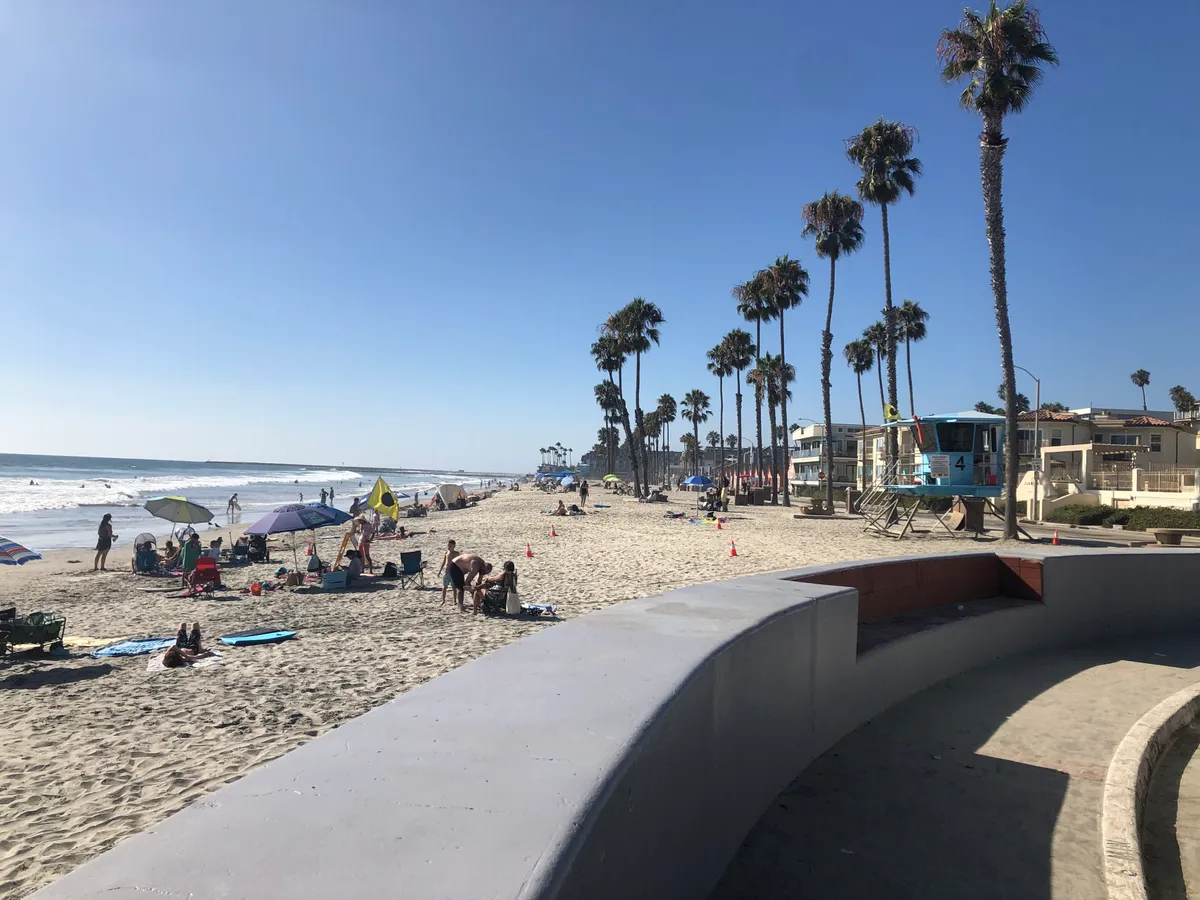
If you are looking for peace of mind, there are plenty of neighborhoods where crime is virtually nonexistent. These areas are usually geographically separated from the busier corridors and offer a suburban calm that feels worlds away from the busy Highway 101.
Fire Mountain
Perched on a hill overlooking the coast, Fire Mountain is a mix of custom estates and quiet streets. The elevation and winding roads make it difficult for casual criminals to access, resulting in very low crime rates. It’s one of the most desirable spots in the city.
Henie Hills
Similar to Fire Mountain but further inland, this area features large lots and a semi-rural feel. It is incredibly safe because there is zero through traffic; if a car is there, it belongs there.
South Oceanside (Coastal Side)
While it can get busy, the residential streets of "South O" west of the 101 are generally tight-knit. Neighbors here watch out for each other, and suspicious activity is reported almost immediately.
Emergency Resources and Transport
Knowing how to move around is just as important as knowing where to go. The public transit center is a hub for the Coaster and Amtrak, but it also attracts a rough crowd. Use ride-share apps if you need to get to your hotel late at night rather than waiting at the bus depot.
- EmergencyPolice Presence: The Oceanside Police Department is very active downtown, especially on weekend nights. Flag down a patrol car if you feel threatened near the pier.
- MedicalHospital Access: Tri-City Medical Center is the main hub, but it is located inland. Know the quickest route from your accommodation before you actually need it.
- Good to knowParking Garages: The civic center garage is convenient, but the stairwells can be sketchy. Walk in pairs when retrieving your car after a late dinner.
After Dark in Oceanside
The nightlife scene has exploded, but it brings a rowdy energy. Thursday through Saturday nights, the downtown area fills with Marines on liberty and college crowds. Alcohol fuels aggression, and fights can break out on the sidewalks outside the popular bars on Mission Avenue.
If you are looking for a chill evening, stick to the restaurants south of Wisconsin Avenue. The vibe there is more about craft cocktails and less about cheap shots and brawling.
The 'O-side' Local Vibe
There is a specific local pride here that can be intimidating if you don't understand it. Locals are protective of their beaches and their waves. Respect the surf lineup etiquette if you paddle out; dropping in on a local is the fastest way to find trouble in the water.
We don't mind visitors, but don't come here acting like you own the beach. Show respect and you'll get respect." - Long-time Pier Fisherman
This isn't a Disney-fied version of California. It is a working-class city at heart. Avoid mocking the grit or treating the local culture as a spectacle, and you will find people are incredibly welcoming.
Frequently Asked Questions
Still have doubts? These answers will help clarify the reality on the ground.
Is it safe to walk at night in Oceanside?
In the main tourist zones like the Pier and the Harbor, yes, it is generally safe if you stay alert. However, avoid walking alone inland or near the San Luis Rey riverbed trail after sunset.
Are the beaches in Oceanside safe for families?
Absolutely. The beaches are patrolled by lifeguards and police. The biggest risk is usually strong rip currents, not crime, so always swim near an open lifeguard tower.
Is public transportation safe to use?
The Coaster and Sprinter trains are decent during the day. However, the transit centers can feel unsafe at night due to loitering and homeless encampments nearby.
What is the main crime to worry about?
Vehicle burglary is the number one threat. Don't leave anything of value in your car, and park in well-lit, high-traffic areas whenever possible.
Finding the Soul of the City
Oceanside is a city of layers. It challenges you to look past the occasional graffiti tag to see a vibrant community that is proud of its resilience. The danger is manageable if you respect the boundaries and stay aware of the shift in atmosphere as you move from block to block.
Don't let the fear of "bad areas" keep you from the incredible food scene in South O or the sunset views from the pier. It is a city that rewards those who are street-smart and respectful. Keep your eyes open, and you will see the beauty amidst the grit.
This guide is general safety information, not a guarantee of safety. Conditions change; check local news and official sources before you go. In an emergency, call 911.
Nearby city guides



More city guides in California
 Los Angeles
 San Diego
 San Jose
 San Francisco
 Fresno
 Sacramento
 Long Beach
 Oakland