Dangerous Neighborhoods in Santa Rosa
Let's get straight to it. If you're searching for dangerous neighborhoods in Santa Rosa, you're probably moving here, visiting Wine Country, or just trying to figure out if this mid-sized California city is going to give you problems. The honest answer? Santa Rosa is not a dangerous city by any reasonable standard. California has a higher-than-average crime rate overall, but Santa Rosa is a safe city with many charming neighborhoods with low crime. That said, it's not a bubble. There are pockets you need to know about, and that's exactly what this guide covers.
Is Santa Rosa safe? For most people, yes — overwhelmingly so. Looking at the most recent crime report, the crime rate in Santa Rosa is 26.9% lower than the national average. But like every city with over 170,000 residents, crime in Santa Rosa doesn't distribute evenly. Your chance of being a victim of crime in Santa Rosa varies by neighborhood — ranging from 1 in 24 in the central neighborhoods to 1 in 60 in the northeast. That's a massive gap depending on where you park yourself, and it means the worst neighborhoods in Santa Rosa tell a very different story than the best ones.
This guide breaks down the bad areas in Santa Rosa with zero sugarcoating and zero fearmongering. You'll get real neighborhood breakdowns, practical safety tips, areas to avoid, and the safe zones where you should actually be looking at Airbnbs or houses. Let's go.
How Santa Rosa's safety picture actually took shape
From canneries and farms to gang territory and wildfire scars
Santa Rosa's crime story isn't random. Originally an Italian and German community, South Park became a popular settlement for African Americans relocating from the South after World War II in the late 1940s. As demographics shifted over the decades, so did the economic pressures. During the 1980s, South Park experienced socioeconomic pressures including stagnant wages, job losses in manufacturing and agriculture, and the onset of the crack cocaine epidemic. These forces laid the groundwork for the gang presence that would define several southwest neighborhoods for a generation.
These factors eroded community cohesion in what had been a hub for Santa Rosa's Black residents since the mid-20th century, fostering conditions of poverty and youth idleness. By the early 1990s, amid these challenges and a gradual demographic shift toward a larger Hispanic population, street gangs began to emerge in South Park. The Norteño and Sureño rivalry took root and spread to Roseland, West Ninth, and Apple Valley — all neighborhoods that still carry reputations shaped by that era.
Add the devastating 2017 Tubbs Fire — which obliterated the affluent Coffey Park and Fountaingrove neighborhoods — and you've got a city that's been reshaped by both social decay and literal fire. Housing costs skyrocketed, homelessness spiked, and the strain on police resources became real. There are a total of 228 Santa Rosa police officers, resulting in 1.3 police officers per 1,000 residents, which is 63.1% less than the California average and 59% less than the National average. That understaffing is a factor locals feel every day.
The worst neighborhoods in Santa Rosa you need to know about
Areas to avoid
Circles show approximate areas, not exact borders. Tap a zone for details.
South Park
South Park is a residential neighborhood in the city of Santa Rosa, California, located in south Santa Rosa, east of U.S. Highway 101, south of Bennett Valley Road, west of the Sonoma County Fairgrounds. The community is known for its old houses and artistic murals in the area, and notorious for its history of an above average crime rate and gang activity. When people talk about dangerous parts of Santa Rosa, this is the name that comes up first, and it's been that way for decades.
The South Park neighborhood, along with West Ninth, Roseland and Apple Valley West Steele Lane Area, has dealt with a higher-than-average rate of crime. South Park's gangs were generally of Mexican American ethnicity, namely Nortenos and Surenos. Drive-by shootings have been a common form of violence in the neighborhood, especially when conflicts between rival gangs intensify. The median household income here sits around $34,700 — dramatically below the city average — and that economic reality fuels everything else.
South Park had been dominated by a norteño street gang for more than a decade until a 2013 federal indictment by the U.S. Attorney's Office in San Francisco took its leaders off the street. Since then, gang activity has significantly decreased in the neighborhood. Things have improved. But improved doesn't mean resolved. While South Park is no longer a hotbed of gang activity and violence it once was, if graffiti persists and sureños continue to move into South Park the threat of violence on the streets increases.
Roseland
Roseland, both North and South, sits in southwest Santa Rosa and has long been one of the areas to avoid if you're unfamiliar with the city. This unincorporated-turned-annexed community lacks the infrastructure you see in east Santa Rosa neighborhoods — fewer sidewalks, weaker lighting, and historically less police presence. Theft, vandalism, and gang violence are too common in these areas. Many members of street gangs like the Sureños and Norteños live in various parts of Santa Rosa. There are also motorcycle gangs, prison gangs, among others.
Roseland was only annexed into the City of Santa Rosa in 2017, meaning it spent decades getting county-level services in an urban environment — a recipe for underinvestment. The result is streets where property crime is noticeably higher and where walking alone at night simply doesn't feel the same as it does a couple miles east. That said, the community here is tight-knit, and the area is actively being improved with new civic investments.
West Ninth Street (W 9th)
Crime in West Ninth has decreased slightly in recent years but is still high. Many bad things happen in this neighborhood, like gang violence, burglaries, and graffiti. West Ninth sits adjacent to South Park and shares many of the same dynamics — it's part of the same southwest corridor that has historically concentrated Santa Rosa's crime.
This is the neighborhood where rapper Ray Luv grew up, and the gritty reputation it had in the 1990s and 2000s lingers. You'll see more tagging and vandalism here than anywhere else in the city. For visitors, there's very little reason to be in this area after dark.
Apple Valley / West Steele Lane area
It is in the most criminally active portion of town, the Northwest, where things like burglaries and vandalism are common. Apple Valley is considered one of the bad neighborhoods in Santa Rosa. This northwest corridor, running along parts of Steele Lane and toward Guerneville Road, is where property crime hits hard — car break-ins, theft from garages, and catalytic converter theft are staples here.
The area around Coddingtown Mall and the stretches along Cleveland Avenue also see elevated homeless encampment activity, which correlates with petty theft and unpredictable encounters. It doesn't feel dangerous the way South Park once did, but it's not a neighborhood where you want to leave things in your car.
I've had my car broken into twice while it was parked right in front of my house. And this is supposed to be a 'nice' part of town." — Long-time Santa Rosa resident
Downtown core (after hours)
Downtown Santa Rosa by day is charming — Old Courthouse Square, local restaurants, craft beer. By night it's a different equation. There are some problems around the freeways and homeless people continue to pop up. There is also some drug issues. The worst areas in Santa Rosa often include the downtown fringes after midnight, where unhoused individuals congregate and where bar-closing confrontations occasionally spark.
Quick-glance risk breakdown
| Neighborhood | Primary threat | Risk level |
|---|---|---|
| South Park | Gang activity, shootings | High |
| Roseland (N & S) | Theft, vandalism, gang presence | Moderate-High |
| West Ninth Street | Gang violence, burglaries | Moderate-High |
| Apple Valley / W Steele Ln | Property crime, car break-ins | Moderate |
| Downtown (after hours) | Homelessness-related incidents, petty theft | Moderate |
Which is the most dangerous neighborhood in Santa Rosa?
South Park remains the most dangerous neighborhood in Santa Rosa by virtually every available metric. With a population of roughly 1,000 residents, the concentration of crime incidents is staggering compared to the rest of the city. Data for 2025 aggregates list 139 assaults, 158 robberies, 71 burglaries, 152 larcenies/thefts, and 174 vehicle thefts within the neighborhood's approximate population of 1,076 residents. These numbers represent a density of crime that no other Santa Rosa neighborhood comes close to matching.
To be fair, South Park is actively changing. The community has long struggled with gang activity. As of Winter of 2023, the Santa Rosa Police Department launched their Gang Crimes Team, a unit dedicated to improving public safety by reducing gang-related violence in the area. Community organizations, murals, garden projects, and youth outreach programs like the Violence Prevention Partnership are real forces doing real work here.
But don't confuse progress with arrival. South Park still occupies a unique position in Santa Rosa's crime geography, and visitors should treat it accordingly — not with fear, but with awareness. During the day, driving through is perfectly fine. Walking around MLK Jr. Park in the evening? Use your judgment.
Citywide crime at a glance
How Santa Rosa compares as a whole
Official FBI figures for the entire city, not a single neighborhood: offenses per 100,000 residents in 2025, reported by the Santa Rosa Police Department. Crime is concentrated in a few areas, so most of the city sits well below these averages.
Violent crime
294 per 100k
close to the US rate
-13% since 2023
Murder, rape, robbery and aggravated assault · 521 offenses in 2025
Property crime
1,444 per 100k
close to the US rate
-3% since 2023
Burglary, theft, vehicle theft and arson · 2,562 offenses in 2025
Source: FBI Crime Data Explorer. Dashed line: US average. No complete data for 2021, 2022. Police jurisdiction may not match city limits exactly. How we use this data
Car crime and catalytic converter theft in Santa Rosa
If there's one security problem that defines modern Santa Rosa more than anything else, it's vehicle-related crime. Forget about the gang narrative for a second — the crime that's most likely to actually affect you is someone breaking into your car or sawing off your catalytic converter. Car thefts in particular have surged in Santa Rosa and across California. According to police, in many cases, cars are stolen when they are left unlocked or with the keys inside. Catalytic converter theft has been a specific issue on the rise. In just a few weeks, Sonoma County police reported over 100 catalytic converter thefts and two high-speed pursuits of suspected catalytic converter thieves.
Theft from vehicles is one of the most common types of property crime in the city. Reduce your risk by parking in well-lit areas, always locking your car doors, and not leaving valuables visible in your car. Neighborhoods to avoid for street parking overnight include the stretches along Cleveland Avenue, parts of Sebastopol Road, and anywhere near Highway 101 on-ramps where quick getaways are easy.
Neighborhoods that are slipping and worth watching
Not every problematic area in Santa Rosa has been on the radar for decades. Some neighborhoods are trending in the wrong direction, and locals are starting to notice. These aren't full-blown danger zones, but they deserve honorable mentions if you're seriously looking at moving here or choosing where to stay.
The area around Coffey Park, while rebuilt beautifully after the 2017 fire, has seen an uptick in property crime as new homes sit in a corridor that's easily accessible from Highway 101. Burglary rates have ticked upward, and residents report more package theft and suspicious nighttime activity than before.
Parts of the Piner Road corridor in northwest Santa Rosa are also evolving. Increased transient populations along the Joe Rodota Trail nearby have created friction with adjacent residential streets. It's not dangerous in a violent crime sense, but the quality-of-life complaints — broken car windows, encampment debris, needles in public spaces — are real and growing.
After dark in the city of roses
Nighttime safety in Santa Rosa is a mixed bag, and it depends almost entirely on which part of the city you're in. The east side — Bennett Valley, Rincon Valley, Montgomery Village — feels as safe at 11 PM as it does at noon. You can walk your dog, grab something from your car, go for a late jog without a second thought.
The west and southwest sides tell a different story after sundown. Sebastopol Road between downtown and Roseland gets noticeably quieter and darker, and it's the kind of corridor where you want to be in a car rather than on foot. The same goes for parts of Santa Rosa Avenue south of the downtown core, where unlit stretches and empty commercial lots create blind spots.
48% of local residents surveyed said there was very little crime in Santa Rosa and they felt very comfortable walking alone at night. Another 52% responded that there was far too much crime and they would be hesitant to walk the streets alone at night. Opinions may vary depending on which area they live in. That near-even split tells you everything. The experience is radically neighborhood-dependent.
East of 101 after dark? You're golden. West of 101 past Sebastopol Road? That's where the stories come from.
Safe neighborhoods in Santa Rosa where you should actually stay
Now let's flip the script. If you're visiting Wine Country or looking for a place to live, here's where the smart money goes. Even though most crime in Santa Rosa is easy to avoid, you can enjoy peace of mind in the safest communities. Generally, the safest Santa Rosa neighborhoods are in the east and the northeast surrounding Trione-Annadel State Park.
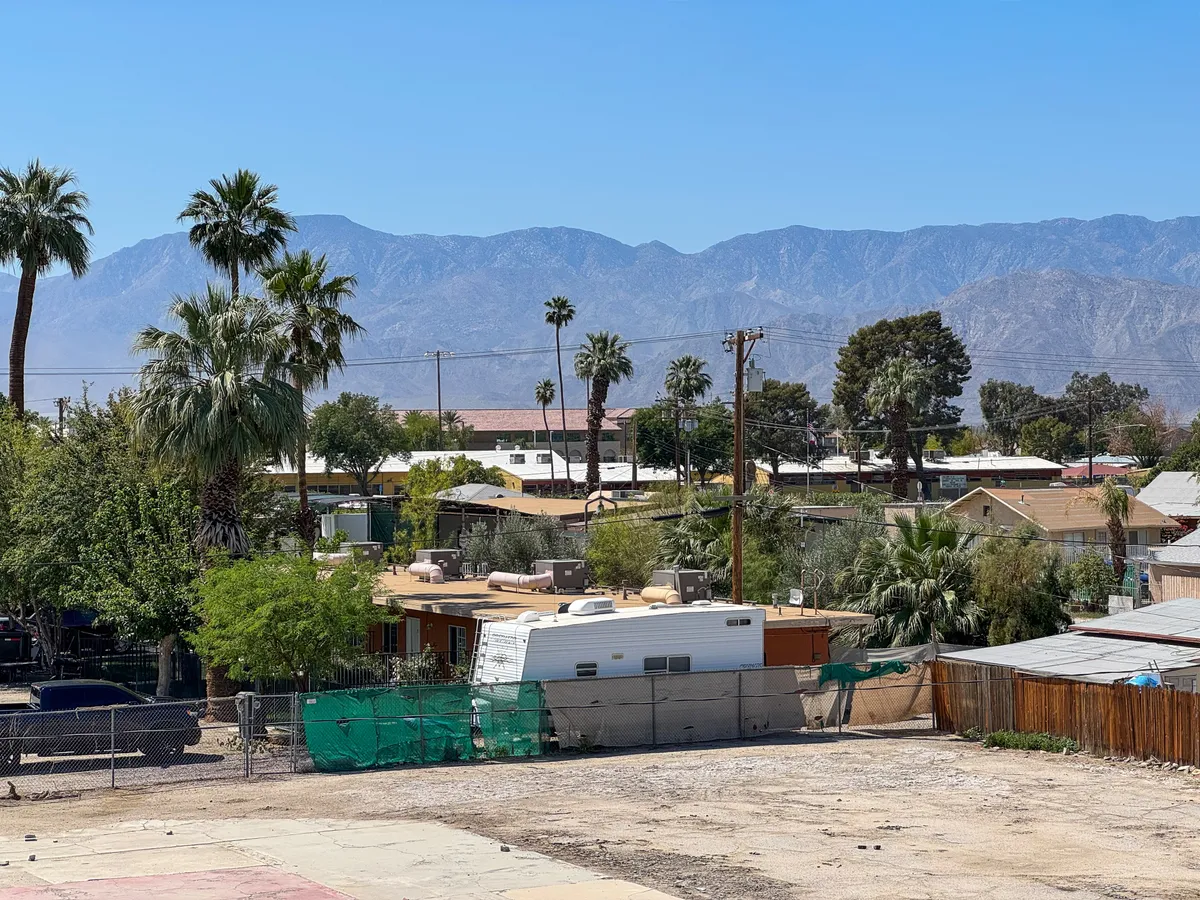
Rincon Valley
Rincon Valley, located in northeastern Santa Rosa, is a picturesque and family-friendly neighborhood known for its excellent schools, outdoor recreation, and welcoming community atmosphere. Rincon Valley is celebrated for its peaceful ambiance, safety, and strong sense of community. The neighborhood features tree-lined streets, well-maintained public spaces, and active neighborhood associations. This is the gold standard. If someone asks you where to stay in Santa Rosa, Rincon Valley is the answer.
Bennett Valley
Bennett Valley, located in southeastern Santa Rosa, California, is a serene and family-friendly neighborhood celebrated for its picturesque landscapes, excellent schools, and abundant recreational opportunities. It's close to hiking at Annadel State Park and has that quiet Wine Country residential feel that makes Santa Rosa special. Crime here is minimal.
Fountaingrove
Fountaingrove is known for its tranquil atmosphere, well-maintained surroundings, and strong sense of community. The neighborhood's scenic beauty, combined with modern amenities and proximity to urban conveniences, makes it a desirable location. Parts of Fountaingrove were devastated by the Tubbs Fire but have been rebuilt with modern, fire-resilient homes. It's an affluent area with low crime and stunning hilltop views.
Montgomery Village area
Montgomery Village is unquestionably one of the best neighborhoods in Santa Rosa. It's a shopping center that also features a residential neighborhood with tree-lined streets and a mix of midcentury modern and traditional homes. The surrounding residential pockets are walkable, safe, and conveniently close to good restaurants and everyday services.
Skyhawk
Skyhawk is a suburban neighborhood in northeast Santa Rosa, known for its close-knit community and fantastic schools. Skyhawk has been called the "quintessential suburbia" of Santa Rosa. If you want the safest possible family setting, Skyhawk delivers. It's tucked away in the northeast hills with essentially zero crime issues.
What to do in an emergency and getting around safely
- EmergencyFor emergencies, dial 911. Non-emergency Santa Rosa PD line is (707) 528-5222. Save it in your phone.
- MedicalThe closest major hospital is Providence Santa Rosa Memorial on Montgomery Drive — centrally located and accessible from most neighborhoods.
- Getting aroundIn Santa Rosa, 85.7% of commuters drive to work. This is a car-dependent city. Public transit exists via Santa Rosa CityBus, but it's limited in scope and schedule.
- Getting aroundThe SMART train connects Santa Rosa to San Rafael and Larkspur to the south, useful if you're heading toward San Francisco without a car.
- AppsRideshare apps work reliably here, especially on weekends around Railroad Square and the downtown corridor. Late-night availability thins out after 1 AM.
- Good to knowMany residential streets in southwest Santa Rosa have poor or no street lighting. Carry a small flashlight or use your phone light when walking at night.
- Getting aroundHighway 101 bisects the city. A good mental model: east of 101 is generally safer; the further southwest you go, the more you should stay alert.
Street-smart rules for navigating Santa Rosa
- Lock your car every single time — even in "nice" neighborhoods. Vehicle crime doesn't discriminate by zip code here.
- Don't leave anything visible in your car. Not a jacket, not a bag, not loose change. Smash-and-grabs are opportunistic and take seconds.
- Avoid walking along Sebastopol Road at night west of downtown. Drive or rideshare instead.
- If you're cycling the Joe Rodota Trail, do it during daylight hours and avoid isolated stretches near encampment areas.
- In neighborhoods to avoid in Santa Rosa like South Park and West Ninth, don't stop to take photos of murals after dark — daylight visits only.
- Keep your phone in your pocket in crowded downtown bars on Friday and Saturday nights. Pickpocketing happens.
- If staying in an Airbnb in Roseland or southwest Santa Rosa, park in the driveway or garage, never on the street overnight.
- Get familiar with the Santa Rosa Police Department beat newsletters — they publish monthly crime data by neighborhood that's genuinely useful.
The quick do's and don'ts
Do
- Explore the east side neighborhoods freely — they're beautiful and safe.
- Visit South Park's murals and MLK Jr. Park during the day — the community pride is real and visible.
- Invest in a catalytic converter shield if you drive a hybrid or SUV.
- Use the SMART train for safe, sober transport after wine tasting.
Don't
- Wander west of Highway 101 on foot after midnight unless you know exactly where you're going.
- Assume quiet streets mean safe streets — some of the quietest blocks have the highest break-in rates.
- Engage with aggressive panhandlers downtown — just keep walking.
- Leave your garage door open for "just a minute" — garage theft is rampant in the northwest corridor.
Safety considerations for solo female travelers in Santa Rosa
Santa Rosa is generally a comfortable city for women traveling alone. Wine Country draws tons of solo visitors, and the tasting rooms, restaurants, and east-side hotels are perfectly safe environments. That said, there are some specific things to keep in mind.
Avoid booking accommodations in the Roseland or Sebastopol Road corridor unless you're familiar with the area. The motels along Santa Rosa Avenue south of downtown and near Highway 12 can be sketchy — some double as transitional housing and attract a rougher crowd. Stick to the east side or downtown boutique hotels.
For night out safety, Railroad Square and Fourth Street bars are your best bet. They're walkable, well-lit, and have consistent rideshare pickup spots. Avoid cutting through parking lots behind commercial buildings on the west side of downtown after closing time.
Your burning questions about safety in Santa Rosa
Still have doubts? These are the most common questions I hear from visitors and prospective residents, answered with zero fluff.
Is it safe to walk at night in Santa Rosa?
It depends entirely on where. East-side neighborhoods like Rincon Valley and Bennett Valley are perfectly safe for nighttime walks. Downtown around Old Courthouse Square is fine until about 11 PM, though it thins out and gets unpredictable after that. Neighborhoods west of Highway 101 — particularly along Sebastopol Road and in Roseland — are best avoided on foot after dark unless you're local and know the streets. The biggest nighttime risk citywide is property crime, not violent crime.
What are the worst areas in Santa Rosa for tourists to accidentally end up in?
South Park, West Ninth Street, and parts of Roseland are the neighborhoods to avoid if you're unfamiliar with the city. Tourists rarely end up there by accident since they're residential and not near any attractions. The more realistic risk for visitors is the stretch along Santa Rosa Avenue south of downtown, where some budget motels sit in areas with elevated street-level crime and homeless encampment activity. Always research your hotel's exact address before booking.
Is crime in Santa Rosa getting better or worse?
It's getting better by the numbers. Year-over-year crime rates in Santa Rosa decreased by 20.3%. Violent crime has decreased by 34.6%, while property crime has decreased by 15.7%. The SRPD's gang crimes team, community intervention programs, and beat-cop model are making a measurable difference. That said, catalytic converter theft and car break-ins remain stubbornly persistent, and homelessness-related quality-of-life issues continue to concern residents.
How does Santa Rosa compare to other California cities in terms of safety?
Favorably. Compared to other communities of similar population size, Santa Rosa has a crime rate that is noticeably lower than the average. For comparably sized cities all across America, Santa Rosa is actually safer than most. You're far safer here than in cities like Sacramento, Stockton, Oakland, or Fresno. Santa Rosa's violent crime rate is notably below most comparable California metros. It's no Irvine, but it's absolutely not a city you need to fear.
Santa Rosa has thorns, but it's still a rose worth picking
Look — I've laid out the worst neighborhoods in Santa Rosa, the areas to avoid, the crime patterns, and the spots where you should keep your head on a swivel. But I want to end on something that doesn't always come through in articles like this: Santa Rosa is a genuinely wonderful place. The food scene is sneaky good. The wine is world-class. The hiking at Annadel, Hood Mountain, and Spring Lake will make you forget you ever looked up crime stats.
The town has a sprawling suburban feel, but is surrounded by beautiful natural spaces and boasts plenty of fun family activities. That's the real Santa Rosa. A city where 90% of the neighborhoods are quiet, tree-lined, and safe, and where the remaining pockets of trouble are well-defined, well-known, and mostly avoidable with basic awareness.
Don't let a handful of rough blocks scare you away from one of Northern California's best-kept secrets. Just be smart, be aware, and for the love of everything — lock your damn car.
Stay safe out there. 🍷
This guide is general safety information, not a guarantee of safety. Conditions change; check local news and official sources before you go. In an emergency, call 911.
Nearby city guides


More city guides in California
 Los Angeles
 San Diego
 San Jose
 San Francisco
 Fresno
 Sacramento
 Long Beach
 Oakland