

Dangerous Neighborhoods in Hartford
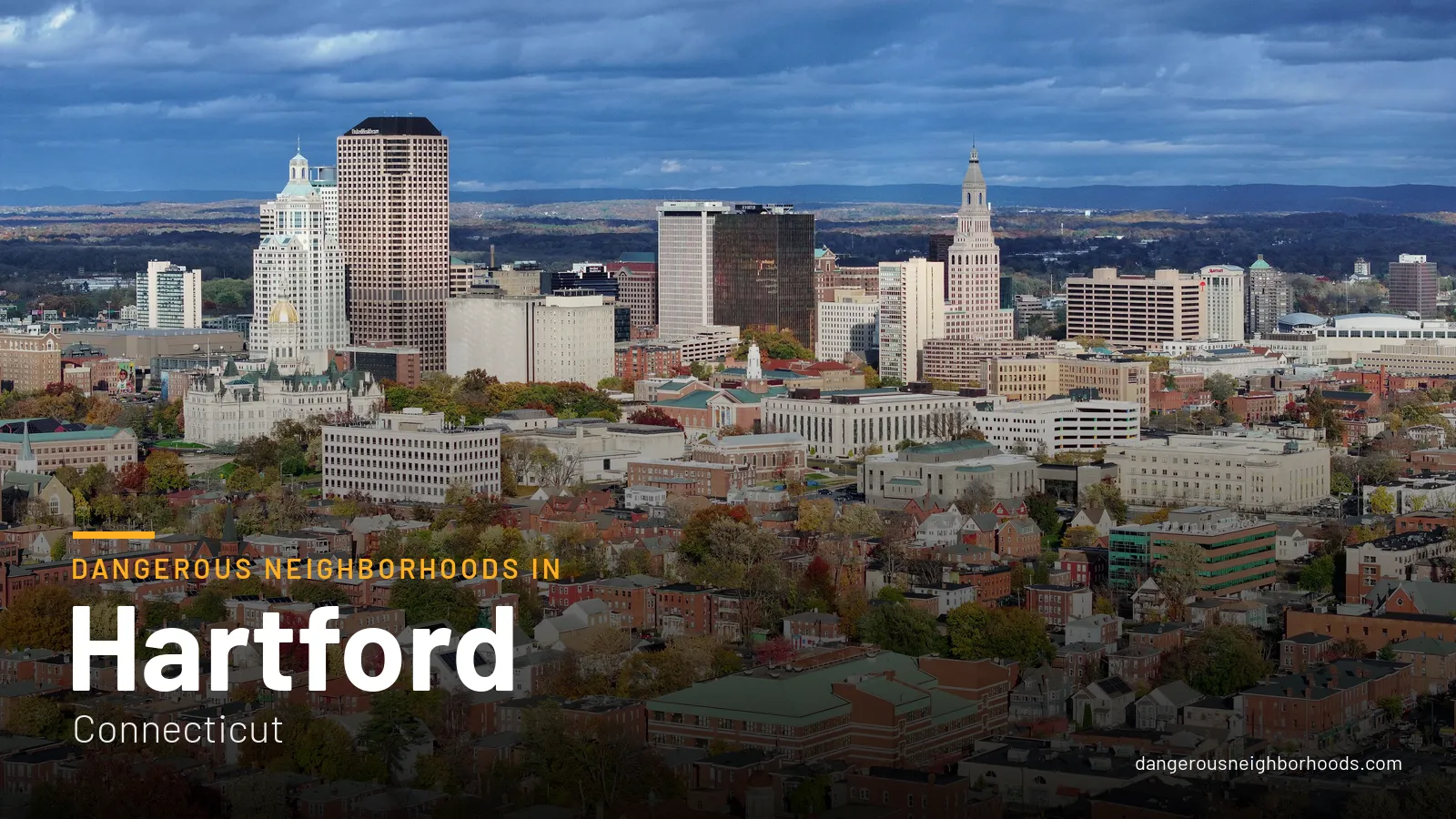
Let's cut to the chase. You're asking "is Hartford safe" and you want a real answer, not a travel brochure. The truth is, Hartford has a reputation for a reason. Its overall crime rate is significantly higher than both the state and national averages, with more than 98% of other communities in Connecticut having a lower crime rate. The probability of becoming a victim of property or violent crime here is about 1 in 30. That said, danger in Hartford is hyper-concentrated. It's not a city-wide warzone; it's a block-by-block situation where turning one corner can make all the difference.
This guide isn't here to scare you. It's here to give you the ground truth so you can navigate the city smartly. We'll break down the specific bad areas in Hartford, explain *why* they're struggling, and show you which zones are genuinely safe. For most visitors, sticking to the main tourist areas during the day will keep you out of trouble, but you absolutely need to know where the lines are drawn.
The story behind the statistics
Hartford's safety issues aren't random; they're baked into its history. Like many American cities, the mid-20th century saw a mass exodus of manufacturing jobs and wealthier residents to the suburbs, a phenomenon known as "white flight." This drained the city's tax base and left behind pockets of concentrated poverty and segregation, particularly in its North End neighborhoods. These are not new problems, and they are the root cause of the crime you see today.
The result is a city of stark contrasts. You can find beautiful, historic districts and corporate headquarters just a short drive from areas grappling with systemic issues. The violence you hear about is rarely random; it's often linked to petty disputes, gang activity, and the drug trade concentrated in these specific, economically starved zones. Understanding this context is key to understanding the city's risk profile.
A tale of two cities within one
Gentrification and revitalization efforts are active, especially around the Downtown and Frog Hollow areas, but progress is uneven. You can see a beautifully restored historic brownstone right next to a block that feels neglected. This creates a confusing landscape for outsiders. It means that while new businesses and developments pop up, deep-seated social problems remain just beneath the surface, making situational awareness absolutely critical for anyone venturing beyond the main drags.
You learn the map here fast. One street is fine, the next one over... you just don't go down it. It's been that way for years.
The most challenging areas to navigate
When people talk about the dangerous parts of Hartford, they are almost always referring to a few specific areas. These neighborhoods consistently show up in police data for higher concentrations of violent and property crimes. Being aware of these zones is your first and most important step to staying safe.
Where to take extra care
Safer areas to stay
Circles show approximate areas, not exact borders. Tap a zone for details.
The North End (Northeast / Upper Albany / Clay Arsenal)
This is, without a doubt, the area with the most persistent struggles. Neighborhoods like Clay Arsenal and Northeast consistently rank as having the highest violent crime rates in the city. The North End has historically been the epicenter of gun violence in Hartford, stemming from deep-rooted poverty and segregation. While it has a strong community, it faces significant challenges with gangs and drug-related activity. For visitors, there is no reason to be in these residential areas.
The South End (Frog Hollow / Barry Square / South Green)
The South End presents a more mixed, but still challenging, picture. Frog Hollow has a vibrant culture but also struggles with visible drug use and property crime. Barry Square reports crime rates significantly higher than the national average, particularly for robbery and vehicle theft. South Green is another pocket with a violent crime rate that is substantially higher than the city's average. While there's ongoing revitalization, caution is highly advised, especially as you move further from the main roads like Park Street.
Asylum Hill
Located just west of Downtown, Asylum Hill is a neighborhood of contradictions. It's home to historic mansions and major insurance companies, but it has also reported one of the highest numbers of total crimes in the city. The risk here is more about property crime and robberies than the systemic violence of the North End. It's an area where you need to be especially vigilant about your surroundings, as the environment can change quickly from one block to the next.
A quick risk assessment
| Neighborhood Cluster | Primary Risk | Insider Note |
|---|---|---|
| North End (Northeast, Clay Arsenal) | Violent Crime, Gang Activity | Avoid entirely. This area has the most deep-seated issues. |
| South End (Frog Hollow, Barry Square) | Property Crime, Robbery | Street smarts are essential. Crime is opportunistic here. |
| Asylum Hill | Robbery, Theft | High-traffic area with a mix of business and crime; stay aware. |
Which is the most dangerous neighborhood in Hartford?
If you have to single out one area, it's the North End, specifically the neighborhoods of Northeast and Clay Arsenal. This part of the city consistently accounts for the majority of Hartford's violent crime, including a disproportionately high number of assaults and homicides. The issues here are generational and complex, and for a visitor, it is unequivocally the primary area to avoid in Hartford.
The data is clear. The Northeast neighborhood alone accounts for a huge percentage of the city's assaults. Crime scores from police data consistently give this area the lowest possible grade for safety. Again, this is not a place for tourists to explore or pass through unnecessarily. Stick to the main highways if you must travel through this part of the city.
Citywide crime at a glance
How Hartford compares as a whole
Official FBI figures for the entire city, not a single neighborhood: offenses per 100,000 residents in 2025, reported by the Hartford Police Department. Crime is concentrated in a few areas, so most of the city sits well below these averages.
Violent crime
459 per 100k
1.4× the US rate
-40% since 2021
Murder, rape, robbery and aggravated assault · 562 offenses in 2025
Property crime
2,263 per 100k
1.5× the US rate
-32% since 2021
Burglary, theft, vehicle theft and arson · 2,773 offenses in 2025
Source: FBI Crime Data Explorer. Dashed line: US average. Police jurisdiction may not match city limits exactly. How we use this data
The persistent problem of property crime
Beyond violent hotspots, Hartford has a significant issue with property crime, especially motor vehicle theft. According to FBI crime data, Hartford has one of the highest rates of motor vehicle theft in the entire nation when compared to communities of all sizes. Your chance of having your car stolen in Hartford is alarmingly high, at approximately 1 in 116.
This isn't just about street parking. Thieves target apartment complexes, driveways, and even commercial lots. This crime is widespread and not strictly confined to the "bad" neighborhoods, making it a city-wide concern for both residents and visitors.
How to protect your vehicle
Debunking a common myth about Hartford
The biggest myth is that the *entire* city is a lost cause. That's just lazy thinking. The reality is that the vast majority of violent crime happens in very specific areas and often between people who know each other. It's not a city where tourists or professionals in the downtown area are common targets of serious violence.
Top 5 street-smart safety rules
Look, a lot of safety is just common sense, but in Hartford, you need to be a little more disciplined about it. This isn't the suburbs. Here are the hard and fast rules to follow.
- Master Situational Awareness: This is the most important rule. Keep your head up and your phone in your pocket, especially when walking. Notice who is around you and what the general vibe of the street is. If a block feels off, trust your gut and turn around.
- Secure Your Vehicle Religiously: As mentioned, car theft and break-ins are a huge problem. Always lock your doors, close your windows, and never leave anything visible inside. Park in well-lit, reputable garages or lots whenever possible.
- Know Your Boundaries: Before you set out, look at a map. Know the names of the neighborhoods you need to avoid (North End, parts of South End). Don't "explore" aimlessly, as you can wander into a bad area very quickly and unexpectedly.
- Limit Night Travel: The city's risk profile changes after dark. Avoid walking alone at night, even in areas that feel safe during the day. Use rideshares or drive if you need to get around. If you must walk, stick to well-lit, main streets where there are other people.
- Be a Low-Value Target: Don't flash expensive jewelry, cameras, or wads of cash. This is just an invitation for trouble. Dress down and blend in as much as possible. The goal is to not draw any unnecessary attention to yourself.
The do's and don'ts list
Do
- Use rideshare services like Uber or Lyft for door-to-door transport at night.
- Tell someone your plans if you're going out, especially if you're exploring alone.
- Keep your car keys in hand and ready as you approach your vehicle.
Don't
- Engage with overly aggressive panhandlers or strangers trying to distract you.
- Use ATMs in poorly lit or isolated locations. Opt for ones inside a bank or busy store.
- Assume an area is safe just because it's near a tourist attraction. Check the map.
Getting around and handling emergencies
Navigating Hartford requires a bit of planning, and knowing who to call in a pinch is non-negotiable. Don't get caught unprepared.
- 🚓 Emergency Services: The universal emergency number is 911 for police, fire, or medical emergencies. Be prepared to give them your exact location, including cross-streets.
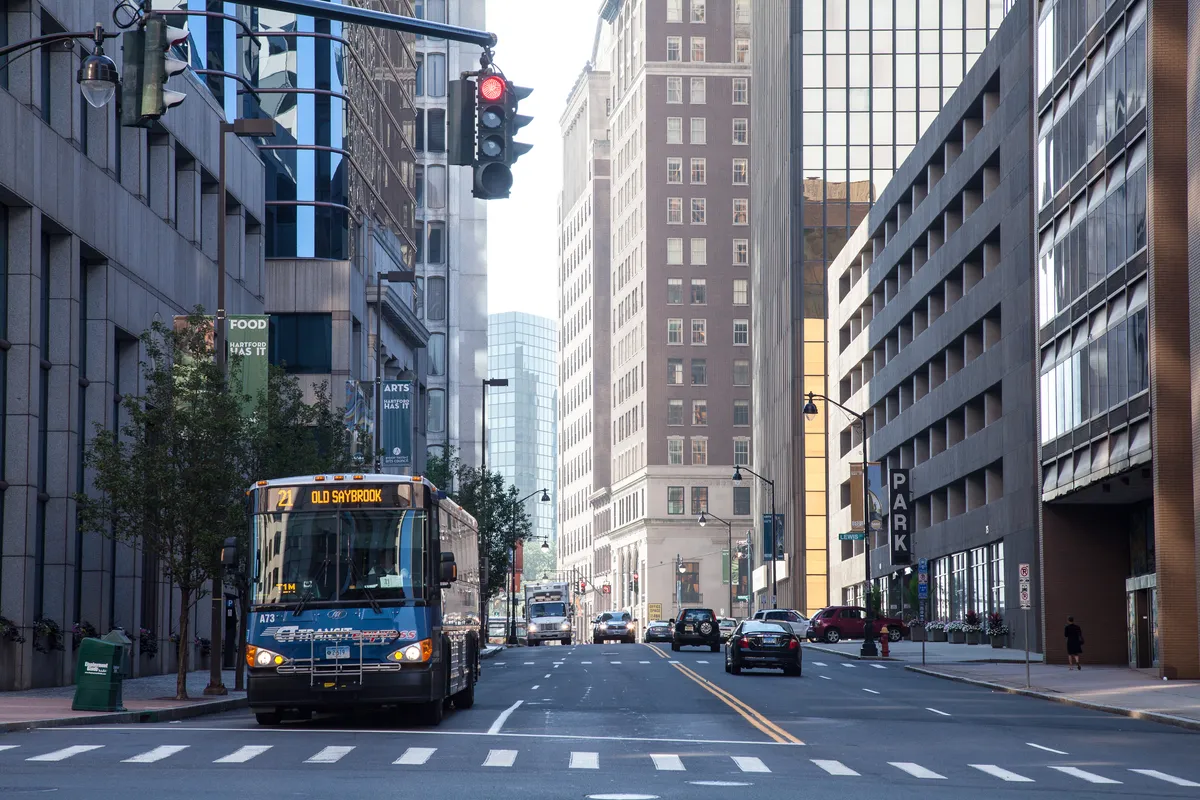
- 🚗 Transportation: For visitors, driving your own car or using rideshares is the most reliable way to get around. The CTtransit bus system is extensive but requires a bit of local knowledge to use effectively and safely. Avoid waiting at isolated bus stops.
- 🏥 Hospitals: The main hospital in the city is Hartford Hospital. It's a Level I Trauma Center, so it's equipped for any major emergency. Know its location relative to where you're staying.
- Local tip Program the number for a local taxi company into your phone as a backup. Rideshare availability can sometimes be spotty late at night in certain areas, and you don't want to be left stranded on a dark street.
Where to stay without worry in Hartford
Despite the headlines, there are several neighborhoods in Hartford that are not only safe but also pleasant places to stay. These areas generally have lower crime rates, active community engagement, and a more secure feeling, especially compared to the hotspots.
West End
Often cited as one of the safest and most desirable neighborhoods, the West End is known for its beautiful historic homes, tree-lined streets, and proximity to Elizabeth Park. It has a strong community vibe and a significantly lower crime rate. This area is perfect for those who want a quieter, more residential feel while still being close to the action.
Downtown
For visitors and those who want to be in the heart of the city, Downtown is a solid choice, particularly during business hours and event nights. It's walkable, with plenty of restaurants, theaters, and parks. While you still need to be aware of your surroundings (property crime can be an issue), the heavy presence of people and security makes it feel much safer than surrounding neighborhoods.
Blue Hills
Located in the northwestern part of the city, Blue Hills is another area known for being safer than most Hartford neighborhoods. It has a more suburban feel, with single-family homes and a strong sense of community. It's a good option for families or anyone looking for a residential area with lower crime statistics.
I've lived in the West End for a decade. We walk our dogs at night, we know our neighbors. It feels like a different world from the stories you hear on the news.
Navigating the city after sunset
Let's be blunt the risk in any city goes up when the sun goes down, and Hartford is no exception. Areas that are perfectly fine during the day can become sketchy at night. The key is to completely avoid walking alone in any residential neighborhood after dark.
If you're out for the evening, your best bet is to stick to the immediate Downtown area around Pratt Street or near venues like the XL Center or Bushnell Hall, where there are crowds and lights. Once you venture away from these central hubs, the streets get quiet fast. Using a rideshare service for door-to-door transportation is the smartest and safest way to move around at night.
Your direct questions answered
Still have doubts? These are the most common questions I get, with no-nonsense answers.
Is it safe to walk in downtown Hartford at night?
It's relatively safe in well-lit, populated areas like near restaurants on Pratt Street or around the major hotels and theaters. However, the area gets deserted quickly just a few blocks away. I would strongly advise against walking alone late at night. A rideshare is always the smarter choice for getting back to your hotel.
What is the main type of crime to worry about in Hartford?
For the average visitor sticking to safer areas, the biggest concern is property crime, specifically theft from vehicles and vehicle theft itself. Hartford has a very high rate of car-related crime. Violent crime is a serious issue but is highly concentrated in neighborhoods you should not be visiting in the first place.
Are the suburbs around Hartford safe?
Yes, absolutely. Towns like West Hartford, Avon, Simsbury, and Glastonbury are among the safest and most affluent in the state. The crime issues discussed here are almost entirely confined to the city limits of Hartford itself. If you're staying in a suburb and just commuting into Downtown for work or an event, your risk level is dramatically lower.
A realistic final take
Hartford is a city of contrasts that demands respect and awareness. It's not the kind of place where you can just wander around with your guard down. The potential for running into trouble is real if you are careless or uninformed. The bad areas in Hartford are genuinely rough, and you should make it a priority to avoid them completely.
However, framing the entire city as a dangerous monolith is inaccurate. The Downtown core during the day, the historic West End, and other pockets are perfectly fine and hold the keys to what makes the city interesting. The danger here is predictable and, for a savvy traveler, largely avoidable.
So, is Hartford safe? It depends entirely on you. If you know the map, understand the risks, and carry yourself with confidence and common sense, you can have a perfectly safe experience. If you ignore the warnings, you're rolling the dice. Stay sharp out there.
This guide is general safety information, not a guarantee of safety. Conditions change; check local news and official sources before you go. In an emergency, call 911.