Dangerous Neighborhoods in Albany
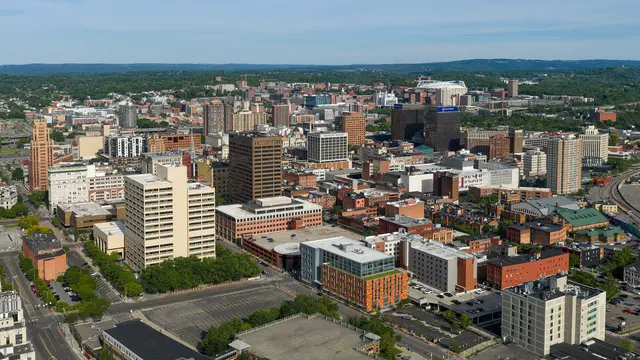
Albany is a city of sharp contrasts where the polished marble of the Empire State Plaza sits just a few blocks away from crumbling infrastructure and high-crime streets. If you are asking is Albany safe, the answer depends entirely on which street corner you are standing on at two in the morning. While the downtown core sees plenty of commuter traffic, the residential pockets nearby struggle with systemic issues that affect overall security.
The reality is that violent crime is concentrated in very specific zones, making it easy for a visitor to accidentally wander into the wrong block. Understanding the layout is the difference between a productive trip to the capital and a confrontation with local police or worse. Locals know where the invisible lines are drawn, and you should too before you set foot outside the commercial districts.
Most of the worst neighborhoods in Albany suffer from decades of disinvestment, which has created a volatile environment in certain wards. While the city isn't a war zone, the statistics regarding aggravated assault and robbery cannot be ignored by anyone planning to walk the city alone. You need to keep your wits about you and understand the local dynamics.
The historical roots of local insecurity
The divide in Albany didn't happen overnight; it is the result of decades of redlining and urban flight that left the city center hollowed out. As the middle class moved to suburbs like Colonie or Bethlehem, the urban core was left to grapple with rising poverty rates. This economic stagnation is the primary engine behind the street-level crime seen today.
The lingering effects of the mid century exodus
When the massive government buildings went up, they displaced thousands of residents and created dead zones that become eerie after five o'clock. This lack of "eyes on the street" allowed criminal activity to take root in the shadows of the very buildings meant to project order and law. The separation between the ruling class at the Capitol and the struggling residents nearby is palpable in the air.
The South End has some of the best people you'll meet, but the wrong block at the wrong time will cost you your peace of mind.
The most problematic areas in Albany
Navigating the capital requires a mental map of zones where police presence is high but crime remains stubborn. The bad areas in Albany are usually well-defined by those who live there, but tourists often miss the cues of escalating danger like boarded-up windows or groups loitering on residential corners.
Areas to avoid
Circles show approximate areas, not exact borders. Tap a zone for details.
West Hill
This neighborhood consistently ranks at the top for reports of shots fired and drug-related incidents. The area around Central Avenue and Quail Street is notoriously difficult to police due to high turnover in housing. It is one of the primary neighborhoods to avoid in Albany if you value your personal safety during the evening hours.
South End
Bordering the river and the industrial zones, the South End deals with high rates of property crime and gang-related friction. While community leaders are working hard to change the narrative, the heavy presence of abandoned buildings makes it a hotspot for opportunistic theft. Do not leave valuables inside your vehicle if you have to park here.
Arbor Hill
Arbor Hill has a rich history, but it is currently one of the most dangerous parts of Albany for those unfamiliar with the local territory. The blocks near Henry Johnson Boulevard see frequent reports of violent encounters. It is a place where you should never walk with headphones on or appear distracted by your phone.
Quick safety reference by district
| District Name | Risk Level | Primary Incident Type |
|---|---|---|
| West Hill | Very High | Weapon Violations |
| South End | High | Theft and Robbery |
| Pine Hills (Lower) | Moderate | Burglary and Noise |
Which is the most dangerous neighborhood in Albany?
If you look at the raw data and talk to any first responder, the most dangerous neighborhood is West Hill. This area sees the highest density of calls for violent service in the entire capital region.
The danger in West Hill isn't just about random violence; it is about getting caught in the crossfire of localized disputes. While the city tries to revitalize the Central Avenue corridor, the backstreets remain a significant risk for anyone who doesn't have a specific reason to be there. Most areas to avoid in Albany radiate out from this specific epicenter.
Citywide crime at a glance
How Albany compares as a whole
Official FBI figures for the entire city, not a single neighborhood: offenses per 100,000 residents in 2025, reported by the Albany Police Department. Crime is concentrated in a few areas, so most of the city sits well below these averages.
Violent crime
832 per 100k
2.5× the US rate
-8% since 2021
Murder, rape, robbery and aggravated assault · 849 offenses in 2025
Property crime
2,715 per 100k
1.7× the US rate
-11% since 2021
Burglary, theft, vehicle theft and arson · 2,769 offenses in 2025
Source: FBI Crime Data Explorer. Dashed line: US average. Police jurisdiction may not match city limits exactly. How we use this data
The struggle with vacant properties and crime
Albany faces a unique challenge with thousands of abandoned structures that invite trouble. These "zombie properties" serve as staging grounds for clandestine drug sales and hideouts for individuals looking to evade patrol cars. The city's inability to demolish these hazards fast enough keeps the crime rates higher than they should be for a city of this size.
Zones that are currently on the decline
Watch out for the lower section of Pine Hills, often called the "Student Ghetto." While it used to be just rowdy college parties, there has been a noticeable shift toward more serious street robberies lately. Similarly, parts of the Sheridan Hollow area are seeing spikes in foot-traffic crime as spillover from nearby Arbor Hill increases.
Navigating the night safely in Albany
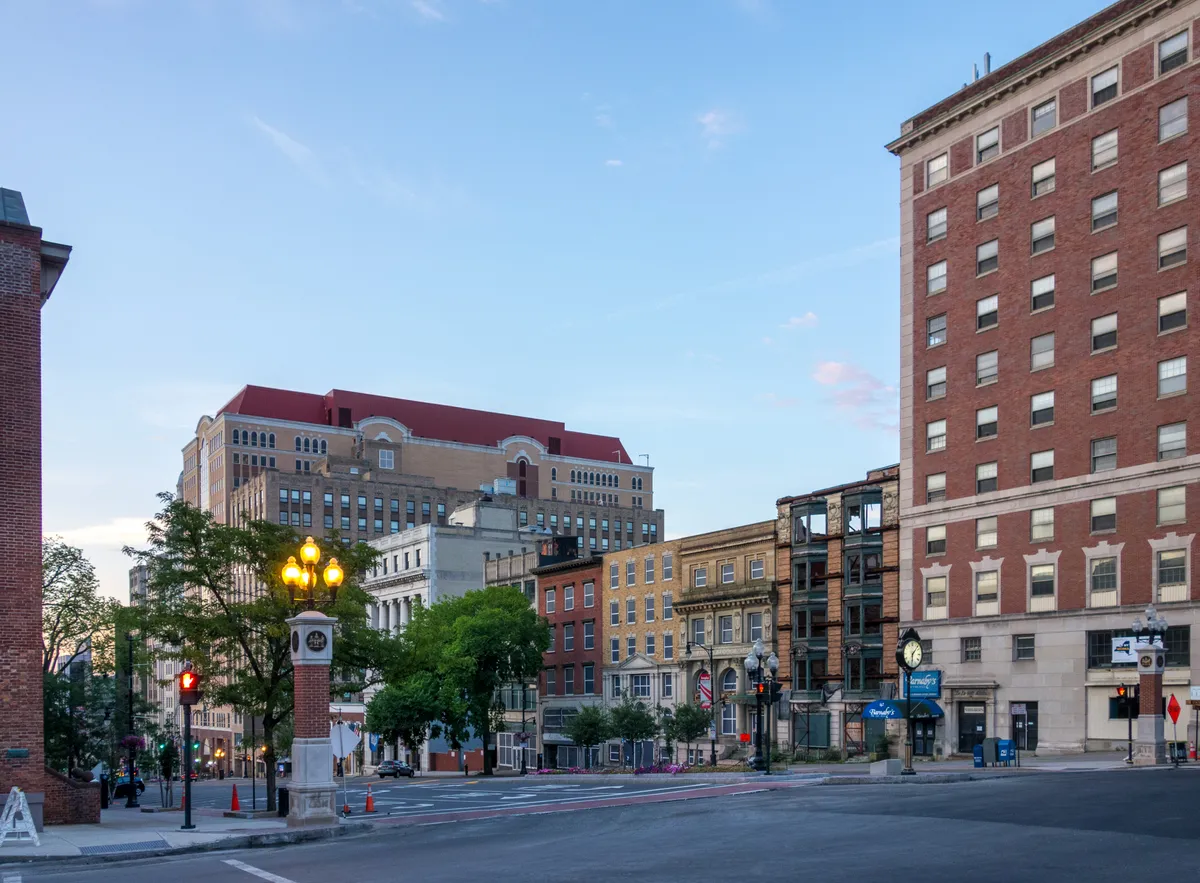
When the sun goes down, the vibe of the city changes instantly. The downtown area near Pearl Street is generally fine due to the crowds from the bars, but the walk back to your car or hotel can take you through poorly lit dead zones. Crime in Albany doesn't sleep, and the predators look for isolated targets near the parking garages.
Nighttime in Albany is about knowing your exit strategy before you even park the car.
Emergency mobility and transportation advice
- EmergencyCDTA Buses: The bus system is generally safe, but keep your belongings close at the downtown transit center where pickpockets occasionally operate.
- Getting aroundRideshare Apps: Using Uber or Lyft is the smartest way to move between neighborhoods after midnight to avoid walking through dark blocks.
- Getting aroundCycling Safety: If you are biking, use heavy-duty U-locks because bike theft is rampant across every single neighborhood in the city.
- Getting aroundWalking Solo: Always maintain an aggressive pace and look like you know exactly where you are going, even if you are lost.
The top ways to stay safe on the street
- Always keep your car doors locked even while driving through the West Hill or South End areas.
- Avoid displaying large amounts of cash when paying at small convenience stores in the North Lake Avenue area.
- Trust your gut instinct about groups hanging out on street corners and cross the street early to avoid them.
- Never leave your phone on a table at outdoor cafes, especially in the Lark Street area where snatch-and-runs occur.
- Be wary of overly friendly strangers asking for directions or change as this is often a distraction for a second person.
Safety do's and don'ts
Do
- Use the well-lit parking garages near the TU Center rather than street parking in isolated alleys.
- Carry a portable power bank to ensure your phone never dies while you are navigating unfamiliar streets.
Don't
- Leave bags or electronics visible in your car, as window smashings take less than five seconds.
- Engage in verbal arguments with locals who seem agitated; just keep moving and de-escalate.
Safe neighborhoods in Albany for visitors
It’s not all bad news; there are several pockets of the city where you can walk freely and enjoy the architecture. These areas have consistent foot traffic and a lower incidence of random street crime, making them ideal for temporary stays or evening strolls.
Center Square
This is the "Greenwich Village" of Albany, filled with historic brownstones and boutiques. While you still need common sense, the active neighborhood association keeps the area relatively clean and safe. It is one of the few walkable gems in the city center.
New Scotland
Located near the hospitals, this neighborhood feels more like a suburb than an urban center. You will see families walking dogs and people jogging at dusk, which is a world away from the tension found just a mile north. It is a safe haven for residents.
The local insider perspective on Albany safety tips
There is a local myth that the "Nipper" statue (the giant dog on the warehouse) watches over the city and keeps it safe. While it’s a cool landmark, the industrial area surrounding it is desolate and can be risky for pedestrians. Use the statue as a navigation point, but don't linger in the vacant lots nearby to take photos after dark.
Common questions about Albany security
If you're still on the fence about visiting, these direct answers to common concerns should help clear things up.
Is it safe to take the bus in Albany?
Yes, the CDTA is reliable and generally secure during daylight hours. However, be alert at the downtown transfer points where loitering can sometimes lead to uncomfortable interactions or petty theft.
Are the parks safe for jogging?
Washington Park is great during the day and is usually full of students and families. Avoid Lincoln Park after dark, as its size and topography make it difficult to see potential threats until they are too close.
Should I worry about gang violence?
Unless you are involved in illicit activities, you are unlikely to be a direct target. The risk to the average person is incidental contact or robbery, so stay away from the known hotspots in West Hill.
The final word on navigating the capital
Albany is a city that requires situational awareness and a thick skin. It isn't the kind of place where you can wander aimlessly without checking your surroundings every few minutes. If you stay in the commercial and historic districts, you will likely have a perfectly fine experience enjoying the state's political heart.
The worst areas in Albany are easy to spot if you are paying attention. If the streetlights are out and the houses look neglected, you have gone too far. Turn around and head back toward the Capitol or the river. Stay smart, keep your head out of your phone, and treat the city with the respect any urban environment demands.
This guide is general safety information, not a guarantee of safety. Conditions change; check local news and official sources before you go. In an emergency, call 911.