Dangerous Neighborhoods in Honolulu
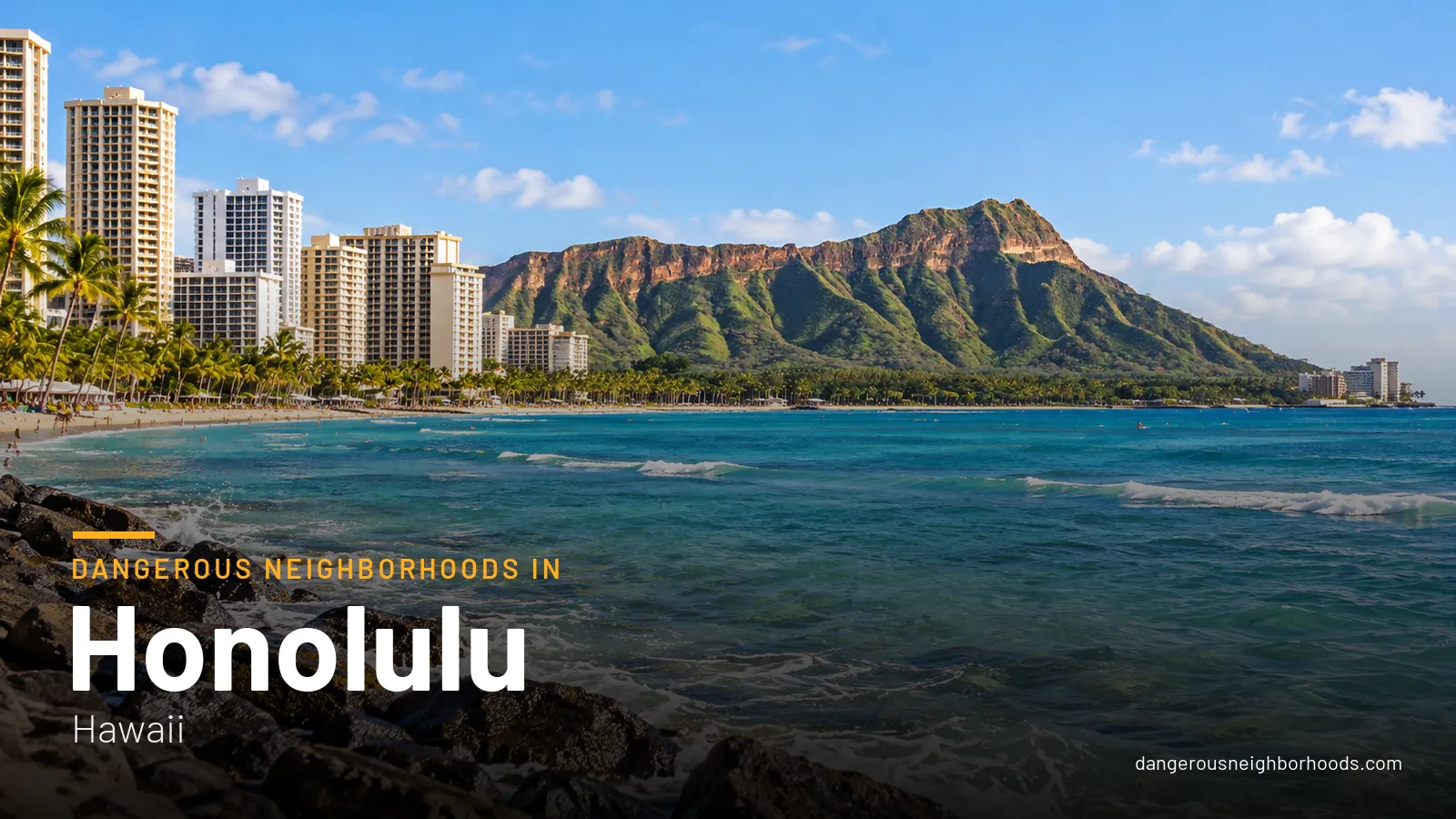
When most people think of Hawaii's capital, they envision flawless waves and endless sunny beaches. But beneath the polished resort exterior lies an urban center with real city problems.
If you are wondering is Honolulu safe for an upcoming vacation, the short answer is yes, but situational awareness is mandatory. Violent crime rates are relatively low compared to the mainland, yet property crime is staggering.
Knowing exactly where the bad areas in Honolulu are located can make the difference between a dream trip and a nightmare. I am going to break down the reality of these streets without the tourism board sugarcoating.
Beyond the postcards and pristine resort zones
Honolulu suffers from an incredibly high cost of living that has driven many locals out of their homes. This economic pressure has created a visible and heartbreaking homelessness crisis across Oahu.
You will notice sprawling encampments in public parks and under highway overpasses while exploring the island. These areas aren't inherently malicious, but desperation often leads to increased opportunistic crime.
Many tourists mistakenly believe that the Aloha spirit guarantees absolute immunity from street crime. However, petty theft and vehicle break-ins are a daily reality for residents and visitors alike.
The most notorious areas to avoid in Honolulu
The island of Oahu is geographically compact, meaning the worst neighborhoods in Honolulu are often just blocks away from luxury hotels. It pays to know exactly where the boundary lines are drawn.
Areas to avoid
Safer areas to stay
Circles show approximate areas, not exact borders. Tap a zone for details.
Chinatown after dark
During daylight hours, this historic district is a bustling hub for fresh produce and dim sum. But once the sun sets and the merchants lock their doors, the atmosphere shifts dramatically.
Drug activity and unpredictable encounters become the dominant street elements in this area at night. Even locals avoid walking through the narrow alleyways here past 9 PM.
Kalihi and Palama district
Located just west of downtown, Kalihi is a gritty working-class neighborhood that rarely features on tourist itineraries. It struggles with gang activity and higher rates of violent altercations.
Unless you have family living in the area, there is absolutely no reason for a visitor to wander these residential streets. This is widely considered one of the definitive areas to avoid in Honolulu.
Waianae and the west side
While technically outside the city center, Makaha and Waianae are often lumped into discussions about island safety. This leeward coast is fiercely local and protective of its territory.
Tourists who act disrespectfully or leave valuables in their cars here often learn a harsh lesson. The beaches are stunning, but the vibe can be undeniably hostile toward outsiders.
The Kuhio Avenue stretch
Waikiki is generally secure, but the blocks along Kuhio Avenue serve as the local nightlife epicenter. This strip attracts heavy late-night intoxication, aggressive panhandling, and street prostitution.
It is not necessarily a no-go zone, but keeping your wits about you is crucial after midnight. Pickpockets specifically target drunk tourists stumbling back to their accommodations.
Quick reference risk matrix
| Urban district | Primary hazard | Risk level |
|---|---|---|
| Chinatown | Nighttime muggings | High at night |
| Kalihi | Gang activity | Consistently high |
| Waianae Coast | Vehicle break-ins | Moderate to high |
| Kuhio Ave | Pickpocketing | Moderate |
Which is the most dangerous neighborhood in Honolulu?
When looking strictly at crime statistics and urban decay, Chinatown consistently ranks at the top of the list.
The sheer density of aggressive encounters and open-air narcotics use makes it the most volatile district on the island. While daytime visits to the markets are mostly fine, the nighttime transformation is jarring.
Law enforcement struggles to contain the spillover of illicit activities into adjacent downtown commercial blocks. You must exercise extreme caution if your evening plans take you anywhere near this perimeter.
Citywide crime at a glance
How Honolulu compares as a whole
Official FBI figures for the entire city, not a single neighborhood: offenses per 100,000 residents in 2025, reported by the Honolulu Police Department. Crime is concentrated in a few areas, so most of the city sits well below these averages.
Violent crime
181 per 100k
45% below the US rate
-33% since 2021
Murder, rape, robbery and aggravated assault · 1,789 offenses in 2025
Property crime
1,459 per 100k
close to the US rate
-51% since 2021
Burglary, theft, vehicle theft and arson · 14,401 offenses in 2025
Source: FBI Crime Data Explorer. Dashed line: US average. Police jurisdiction may not match city limits exactly. How we use this data
The epidemic of rental car smash and grabs
The most pervasive threat in Hawaii isn't violent crime, but the incredibly lucrative underground market for stolen tourist gear. Rental fleets are easily identifiable by their barcodes and make prime targets.
Even a charging cable or a beach towel can be enough to trigger a shattered window. Police rarely recover stolen passports or electronics once they disappear into the local pawn networks.
Where to base yourself for a secure stay in Honolulu
If you want to completely avoid the dangerous parts of Honolulu, choosing the right base camp is your best defense. Certain districts offer tranquility and a heavy security presence.
Kahala and Diamond Head
Known as the Beverly Hills of Hawaii, this pristine eastern enclave features sprawling gated estates and quiet, manicured streets. Crime here is exceedingly rare.
Hawaii Kai district
Further east, this relaxed marina community offers a suburban family atmosphere that feels worlds away from city chaos. It is perfect for travelers renting cars and seeking a peaceful retreat.
Navigating the island after sunset
Once the beach crowds disperse, the urban dynamics shift rapidly around the major tourist corridors. Staying on well-lit main thoroughfares is a basic survival rule.
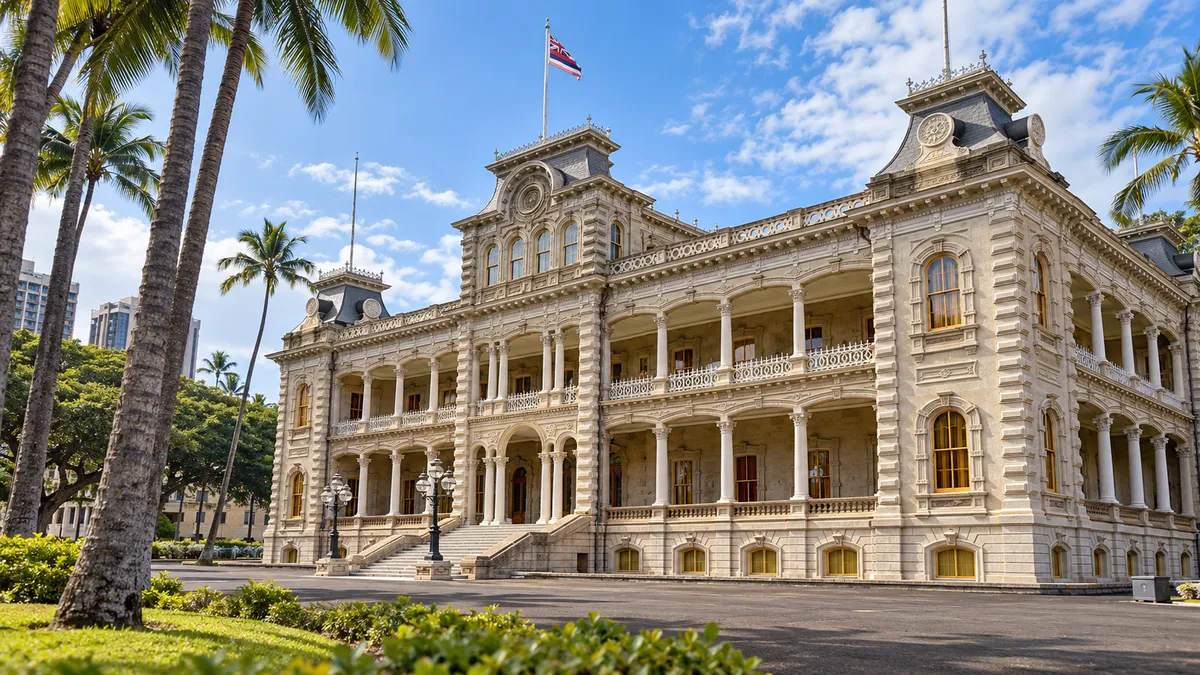
If you find yourself alone on a dark beach after midnight, you are actively inviting trouble. The ocean isn't the only hazard out there.
Rideshares are plentiful and highly recommended if you are consuming tropical cocktails at the beachfront bars. Walking more than a few blocks through dimly lit side streets is simply an unnecessary risk.
Crucial contacts and getting around safely
Knowing who to call and how to move can drastically reduce your vulnerability during a crisis. Keep these logistics in mind
- EmergencyAlways dial 911 for immediate police assistance, as response times in the city are generally swift.
- MedicalQueen's Medical Center handles major trauma cases and is centrally located downtown.
- Getting aroundThe public bus system is excellent during daylight, but avoid long rides through industrial zones at night.
- Getting aroundUse official rideshare apps rather than hailing unregulated cabs off the street.
Essential street smarts for island visitors
Implementing some basic Honolulu safety tips will ensure your vacation remains memorable for the right reasons. Island life requires a specific brand of situational awareness.
- Blend in by avoiding flashy designer clothing or excessive jewelry while exploring casual neighborhoods.
- Keep your beach bag within arm's reach at all times, as sand-thieves are highly skilled.
- Ignore aggressive panhandlers by maintaining your walking pace and avoiding direct eye contact.
- Trust your gut instinct if a remote scenic viewpoint feels deserted or gives you bad vibes.
Do's and don'ts for visitors
Do
- Respect the local culture and demonstrate the Aloha spirit through polite interactions.
- Stay strictly within designated tourist zones after the sun goes down.
Don't
- Leave your valuables unattended while swimming in the ocean or snorkeling.
- Venture onto private property looking for hidden waterfalls or trails you saw online.
Navigating Oahu as a solo female traveler
Hawaii is generally a fantastic destination for independent women, provided you employ standard urban precautions. The bustling resort areas offer a comforting layer of anonymity and safety in numbers.
Avoid the budget hostels located on the fringe of the downtown district. Spending a bit more for accommodations in Waikiki provides significantly better security and well-lit entryways.
Anatomy of the traditional lei greeting hustle
While genuine hospitality exists, some operators exploit the romanticized image of Hawaii to extract cash from exhausted arrivals. This aggressive street tactic is common near busy pedestrian intersections.
- A friendly individual will approach and swiftly place a lei around your neck before you can react.
- They will immediately demand an outrageous mandatory donation for the supposedly free gift.
- If you refuse or try to return it, their demeanor turns hostile and they create a public scene.
- Simply raise your hands and firmly say no thank you before they can make physical contact.
I see families get pressured into handing over fifty bucks just because they were too polite to take the flowers off.
Frequently asked questions about island security
Still have doubts? These answers will help clarify your concerns before boarding your flight.
Is it safe to walk around Waikiki at night?
Yes, the main strips like Kalakaua Avenue are heavily patrolled and bustling until midnight. However, stick to the main avenues and avoid cutting through dark public parks or the beach itself.
Are the local public beaches dangerous?
The primary danger usually comes from powerful ocean rip currents rather than criminal activity. That said, petty theft is rampant, so never leave phones or wallets buried in your towel.
Should I be worried about gang violence?
Gang issues are largely confined to specific residential fringes like Kalihi and do not target tourists. Unless you are actively seeking out illicit substances, your exposure to this element is virtually zero.
Is public transit secure for tourists?
The bus system is widely used and perfectly fine during daylight hours for reaching popular destinations. As evening approaches, the demographic shifts, and paying for a rideshare becomes the smarter choice.
Making the most of your Hawaiian escape
Do not let the reality of urban challenges ruin your anticipation for this beautiful destination. Millions of visitors navigate these streets every year without experiencing a single negative incident.
By simply staying out of the problematic residential zones and securing your rental vehicle, you eliminate ninety percent of the risk. The Aloha spirit is very real, but it requires a foundation of common sense.
Pack your reef-safe sunscreen, respect the local community, and enjoy the incredible landscapes Oahu has to offer. With these street-smart strategies in your back pocket, you are ready for a phenomenal trip.
This guide is general safety information, not a guarantee of safety. Conditions change; check local news and official sources before you go. In an emergency, call 911.
Closest city guides
 Daly City
2,390 mi away
 Santa Rosa
2,395 mi away
 San Mateo
2,395 mi away