Dangerous Neighborhoods in Joliet
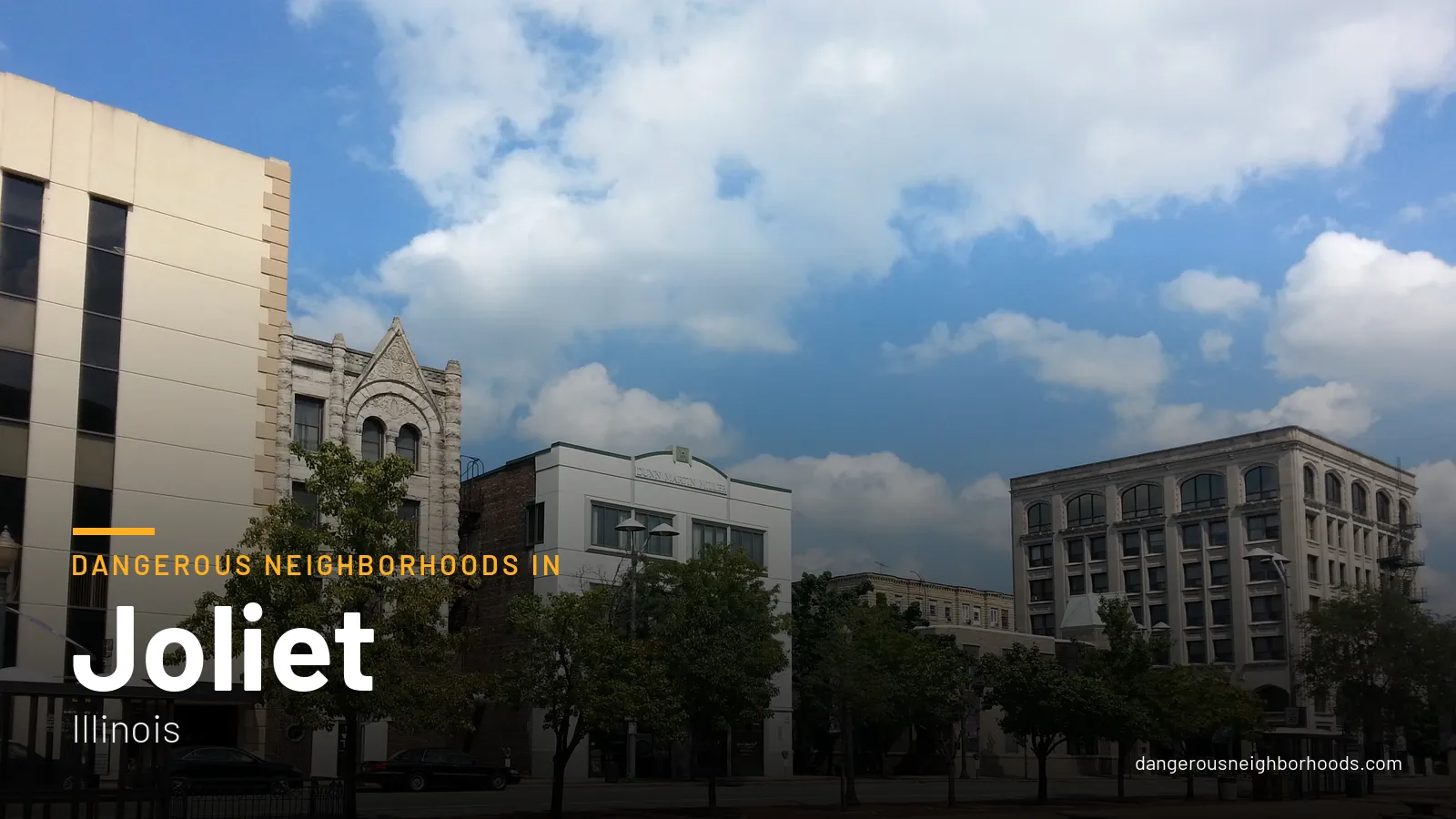
When people ask if is Joliet safe for a weekend trip, the answer requires a bit of nuance. The city has a gritty reputation tied to its industrial past, but it is certainly not an active warzone for tourists.
To really understand the landscape, you need to look at the bad areas in Joliet with a critical eye. Many visitors stick strictly to the casino floor or the downtown historic theater, completely oblivious to the reality that exists just a few streets away.
Beyond the prison gates and industrial grit
The city built its early identity around heavy manufacturing and the infamous correctional center. While those massive industrial days are largely in the past, the economic scars remain visible in several specific districts today.
The shift away from factory labor left certain parts of the town struggling to adapt. This economic vacuum naturally gave rise to property crime and gang affiliations that local law enforcement still battle on a nightly basis.
The lasting impact of the rust belt era
Decades of regional factory closures drastically shifted the demographic map of the entire municipality. As middle-class families moved westward toward newer subdivisions, the older eastern districts faced severe underinvestment and decay.
The roughest neighborhoods in Joliet you should sidestep
Areas to avoid
Circles show approximate areas, not exact borders. Tap a zone for details.
The East Side and Collins Street
This eastern corridor is widely considered one of the most unpredictable urban stretches in town. The community here is vibrant and culturally rich, but it simultaneously suffers from elevated and documented gang activity.
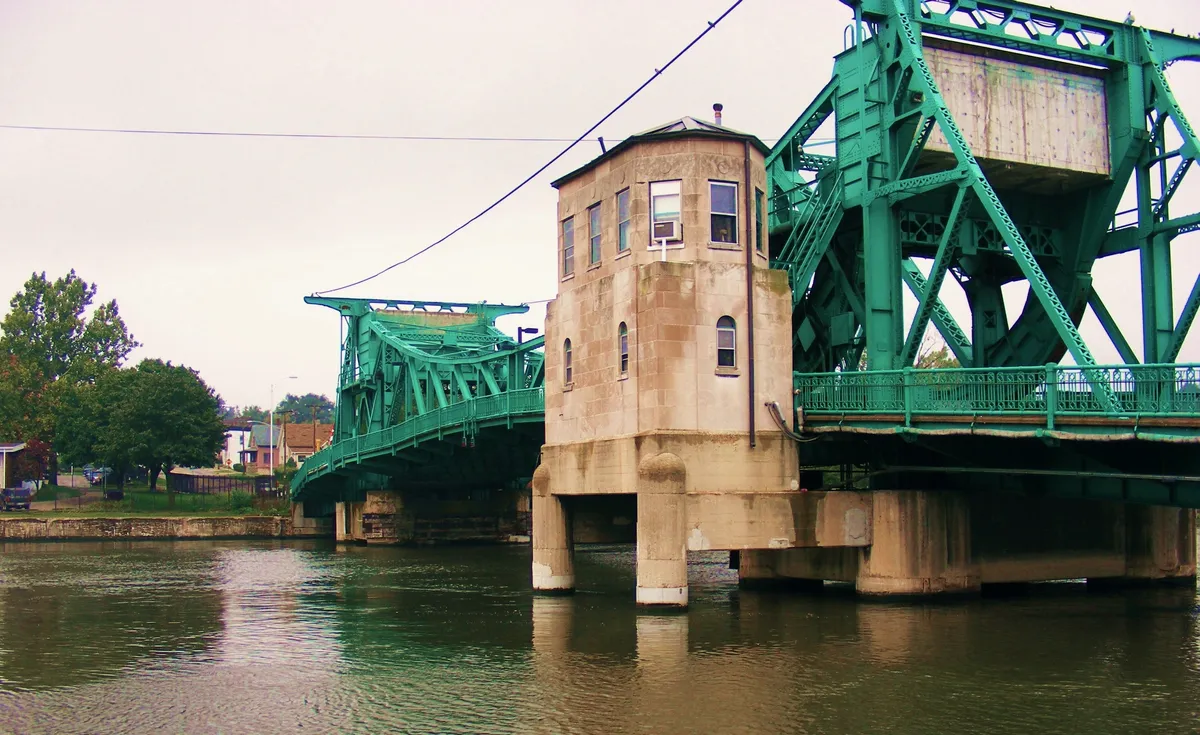
If you are mapping out areas to avoid in Joliet after dark, this strip easily tops the list. You will quickly notice that police presence is heavily concentrated around these blocks to deter late-night violence.
Forest Park
Located just off California Avenue, this residential pocket has long struggled with violent crime and drug trafficking. It is heavily residential and geographically isolated, so tourists rarely have a valid reason to wander here anyway.
The local crime statistics make it one of the dangerous parts of Joliet without question. Locals know they must avoid lingering in alleys or navigating unfamiliar side streets around this specific sector.
If you don't know anyone living in Forest Park, you have absolutely no business driving through there at night.
St. Pat's neighborhood
Historically a working-class stronghold, this area has unfortunately seen much better days. While daytime walks are generally uneventful, the atmosphere shifts drastically once the sun goes down and the streets empty out.
Petty theft and vehicle break-ins are the primary headaches for residents who park on the street. You must ensure you never leave bags or valuables visible if you park near these residential avenues.
Quick breakdown of regional risks
| District Area | Risk Level | Primary Hazard |
|---|---|---|
| East Side Corridor | High | Targeted gang violence and muggings |
| Forest Park | Severe | Aggressive street crime and isolation |
| St. Pat's | Moderate | Opportunistic vehicle break-ins at night |
Which is the most dangerous neighborhood in Joliet?
When analyzing the raw crime data and historical police dispatch logs, the undisputed focal point for violence is Forest Park.
While revitalization efforts are slowly creeping into surrounding areas, progress remains agonizingly slow here. It is highly recommended that outsiders bypass this specific subdivision entirely to ensure their trip goes smoothly.
Citywide crime at a glance
How Joliet compares as a whole
Official FBI figures for the entire city, not a single neighborhood: offenses per 100,000 residents in 2025, reported by the Joliet Police Department. Crime is concentrated in a few areas, so most of the city sits well below these averages.
Violent crime
344 per 100k
close to the US rate
-33% since 2022
Murder, rape, robbery and aggravated assault · 524 offenses in 2025
Property crime
1,156 per 100k
26% below the US rate
+11% since 2022
Burglary, theft, vehicle theft and arson · 1,759 offenses in 2025
Source: FBI Crime Data Explorer. Dashed line: US average. No complete data for 2021. Police jurisdiction may not match city limits exactly. How we use this data
The persistent plague of catalytic converter thefts
Beyond the typical street violence, the region is currently battling an absolute epidemic of automotive part theft. Criminal rings target commercial parking lots and dimly lit residential streets with incredible speed and efficiency.
Even if you are staying in a seemingly secure upscale district, your rental SUV is a prime target. Thieves operate in broad daylight near major shopping centers along Route 59 and near the interstate hotels.
Transitional zones showing signs of decline
Not every rough spot is a notorious gang territory; some blocks are just slowly decaying due to neglect. Parts of the Near West Side, specifically around the older historic homes, are currently facing an identity crisis.
What used to be highly sought-after historic real estate is now dotted with poorly maintained rental properties. You will want to stay alert for opportunistic theft if you book alternative lodging in these fringe boundary blocks.
Where you can actually relax without looking over your shoulder
Fortunately, there are plenty of secure districts that offer a fantastic and relaxing quality of life. The massive western expansion of the city features excellent suburban planning and incredibly robust community policing.
The Cathedral Area
Known for its stunning historic architecture and massive mature trees, this district is an absolute gem. Families and young professionals maintain a strong neighborhood watch network that keeps nuisance crimes very low.
Plainfield border subdivisions
As you push further west toward the municipal boundary, the urban environment transforms entirely. The wide avenues and modern retail centers offer profound peace of mind for visitors who prefer a quiet suburban stay.
Navigating the Joliet nightlife without becoming a statistic
The downtown core near the Rialto theater is generally secure for evening shows and dinner. However, wandering past the designated entertainment blocks can quickly land you in unlit, deserted industrial zones near the waterways.
Crucial contacts and getting out of trouble fast
Knowing how to navigate an unexpected crisis is just as important as avoiding bad situations. Keep these realities in mind if things go completely sideways during your weekend exploration.
- EmergencyThe local police headquarters is centrally located downtown, but dispatch times vary wildly depending on which district you call from.
- MedicalPresence Saint Joseph Medical Center is the main trauma hub, so memorize its general location on the western edge of town.
- Getting aroundPublic transit via Pace buses is reliable during the day, but routes become incredibly scarce after the evening rush hour ends.
Street smarts you actually need to survive
You don't need to be hyper-paranoid to visit, but you absolutely need to be prepared. Applying some basic situational awareness will prevent ninety percent of potential conflicts you might encounter here.
- Lock your car immediately upon entering the vehicle, especially at gas stations along Jefferson Street.
- Keep your flashy jewelry tucked away in your bag, because displaying wealth is a terrible idea in transitional zones.
- Trust your gut instinct; if a residential block feels abandoned, turn around and leave immediately.
Essential do's and don'ts
Do
- Park in well-lit, heavily trafficked private lots whenever you visit downtown venues at night.
Don't
- Engage with erratic individuals shouting near the underpasses by the train station.
Debunking the prison town stereotypes
Many outsiders still picture the city exactly as it was depicted in old pop culture movies. While the old limestone prison is a famous landmark, it no longer defines the community or its modern residents.
The local culture is deeply rooted in strong Hispanic heritage and a booming interstate logistics industry. Assuming every local is a hardened criminal is a fast way to get yourself into a serious physical altercation. Treat the residents with respect and they will happily return the favor.
People come here expecting a literal cage match on the streets. It's just a regular city with some very sharp edges.
Frequently asked questions from cautious travelers
Still have lingering doubts about your itinerary? These straightforward answers will help clear things up before you pack your bags.
Is it safe to walk around downtown Joliet?
During the day, the downtown commercial area is bustling and secure for pedestrians. However, you must remain vigilant in the evening, especially near the transit center and multi-level parking decks.
Are the casinos safe for tourists?
Yes, both major casino properties utilize massive private security forces and comprehensive camera networks. The real danger is walking back to your vehicle in unmonitored overflow lots late at night.
What are the absolute worst sections of the city?
The long-term crime statistics consistently point to the East Side corridor and the Forest Park subdivision. These are undeniably the worst neighborhoods in Joliet and offer nothing of interest for tourists anyway.
Can I use public transportation safely?
The Metra commuter train to Chicago is generally fine during normal daytime commuting hours. Just be fully aware that late-night trains attract unpredictable crowds, so always sit near the conductor's car.
A realistic perspective for your upcoming visit
Navigating this blue-collar Midwestern hub doesn't require a tactical security detail. It merely demands that you pay attention to your surroundings and respect the unwritten rules of the historic streets.
If you use basic common sense, avoid the notorious eastern pockets, and stick to the vibrant commercial zones, your Joliet safety tips will be more than enough. Enjoy the historic architecture, eat some fantastic local food, and travel smart.
This guide is general safety information, not a guarantee of safety. Conditions change; check local news and official sources before you go. In an emergency, call 911.