Dangerous Neighborhoods in Tacoma
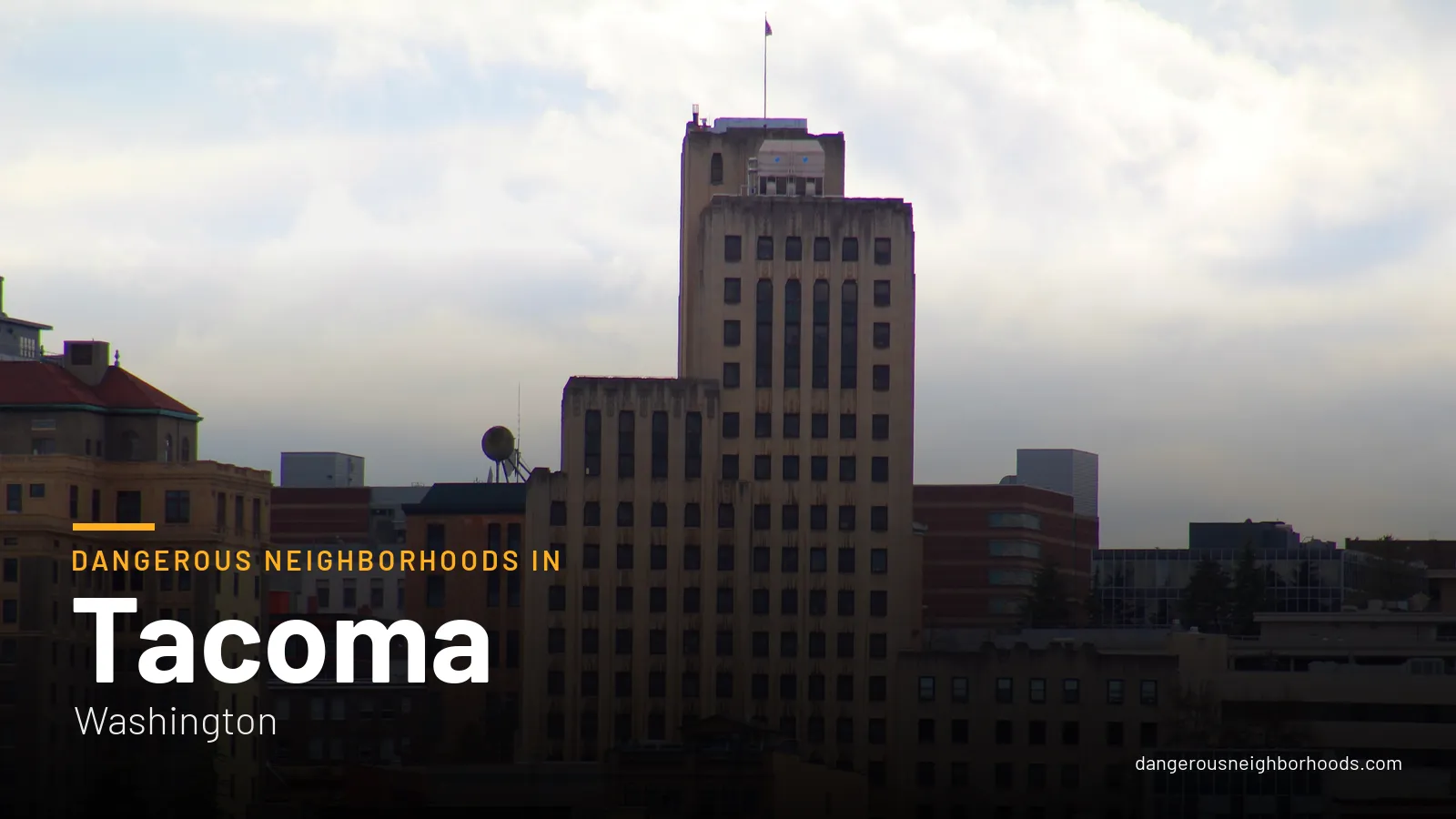
Welcome to Grit City, a place that wears its blue-collar history like a badge of honor. Many travelers wonder if Tacoma is safe before booking a trip, and the real answer depends heavily on the zip code you end up exploring.
The reality is that this Pacific Northwest port town has undergone massive revitalization over the last decade, replacing empty warehouses with museums and glass art. However, you still need solid street smarts because property crime rates remain stubbornly high in several distinct districts.
The roots behind the gritty reputation
Tacoma spent decades living in the shadow of Seattle, developing a tough exterior driven by its industrial port, sawmills, and railway hubs. The city struggled with gang violence during the 1980s and 1990s, leaving a stigma that still lingers in the minds of many Washingtonians today.
While violent crime has dropped significantly since those dark days, economic disparity fuels modern issues. Homelessness and substance abuse have visibly spilled onto certain commercial corridors, making the urban experience feel unpredictable.
From gang turf to gentrification battles
Entire blocks that used to be no-go zones are now packed with craft breweries, vegan bakeries, and artisan coffee shops. This rapid shift means wealth and poverty collide daily, creating highly fragmented micro-neighborhoods where the atmosphere changes block by block.
Mapping out the highest risk zones in Tacoma
If you are actively looking to avoid the bad areas in Tacoma, you need to understand that trouble here is highly localized. Wandering down the wrong street can quickly shift your experience from charming to concerning.
Areas to avoid
Circles show approximate areas, not exact borders. Tap a zone for details.
Hosmer Street corridor
Technically part of the South End, the stretch along South Hosmer Street is notorious among locals and law enforcement alike. It is plagued by illicit motel activity and rampant theft, making it a place you have absolutely zero reason to visit on foot.
Eastside
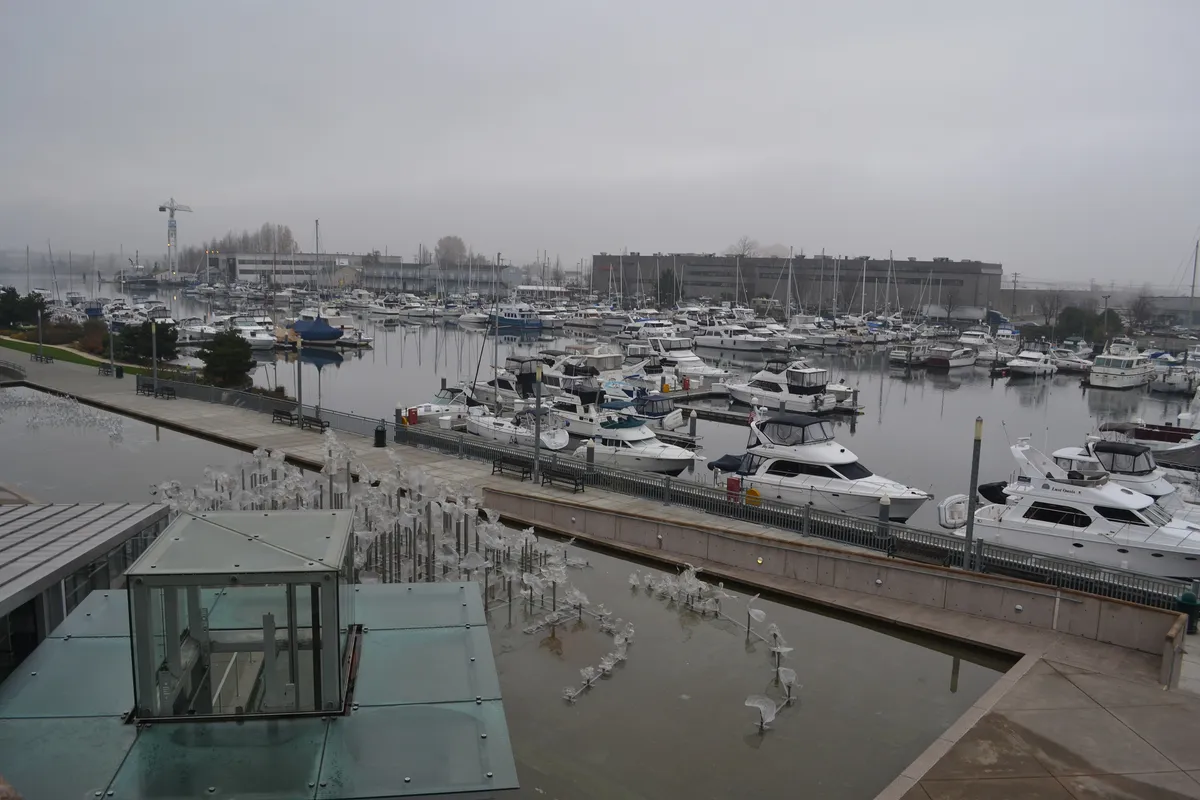
The Eastside has seen improvements, particularly around the Salishan housing redevelopment, but it still has plenty of rough edges. You will notice frequent vehicle break-ins and opportunistic property crimes, especially if you wander near Portland Avenue after dark.
South Tacoma
South Tacoma Way has a cool, emerging dive-bar scene and historic auto shops, but the surrounding residential grid can be sketchy. Warning Do not leave anything visible in your car here, as smash-and-grab robberies happen constantly in the unlit parking lots.
Hilltop
Hilltop used to be considered one of the absolute worst areas in Tacoma, dominated by 90s street gangs and crime. Today, it is heavily gentrified and largely safe by day, but you should still stay alert after sunset around the local convenience stores and transit stops.
Parkland
Bordering the southern city limits near Pacific Lutheran University, Parkland feels like a chaotic mix of college town and neglected suburb. The Pacific Avenue corridor sees significant transient movement and property crime, requiring extra caution from visitors.
Quick reference risk radar
To make things simple, here is a breakdown of the most problematic city sectors at a glance.
| District / Area | Risk Level | Primary Threat |
|---|---|---|
| Hosmer Street | Severe | Violent crime and trafficking |
| South Tacoma | Moderate | Auto theft and vandalism |
| Eastside | Moderate | Petty theft and loitering |
| Parkland | Moderate | Property crime and transient issues |
Which is the most dangerous neighborhood in Tacoma?
Without a doubt, the highest concentration of violent crime and illicit activity is found along South Hosmer Street. This specific stretch near Interstate 5 operates like a magnet for regional trouble and police activity.
Local authorities have repeatedly targeted the budget motels that line this avenue, but the underground economy persists relentlessly. It is emphatically not a place for tourists, midnight strolls, or casual late-night gas station stops.
If your GPS routes you through Hosmer Street at night, reroute and stay on the main highway. The sheer volume of emergency dispatches here makes it entirely off-limits for visitors who want a stress-free trip.
Citywide crime at a glance
How Tacoma compares as a whole
Official FBI figures for the entire city, not a single neighborhood: offenses per 100,000 residents in 2025, reported by the Tacoma Police Department. Crime is concentrated in a few areas, so most of the city sits well below these averages.
Violent crime
866 per 100k
2.6× the US rate
-27% since 2021
Murder, rape, robbery and aggravated assault · 1,994 offenses in 2025
Property crime
4,031 per 100k
2.6× the US rate
-42% since 2021
Burglary, theft, vehicle theft and arson · 9,286 offenses in 2025
Source: FBI Crime Data Explorer. Dashed line: US average. Police jurisdiction may not match city limits exactly. How we use this data
The epidemic of vehicle-related thefts
If there is one issue that plagues both the dangerous parts of Tacoma and its upscale districts, it is massive automotive theft. The entire Puget Sound region is currently battling a massive surge in stolen cars and shattered windshields.
Thieves specifically target older sedans and unprotected catalytic converters in dimly lit public parking garages. Leaving a bag on your backseat is practically an invitation for a smash-and-grab, regardless of whether you are in a sketchy alley or a premium museum lot.
Fringe areas with shifting safety dynamics
When mapping out the neighborhoods to avoid in Tacoma, the borders where the city meets surrounding municipalities often blur the lines of urban safety. Moving south towards Lakewood, the Tillicum neighborhood has a gritty, isolated feel where petty theft is a daily reality.
Similarly, the deep commercial pockets of Fife can feel incredibly desolate once the warehouse workers clock out for the day. Local tip Sticking to well-lit main arteries prevents unwanted encounters when navigating these industrial transitional zones.
Street smarts for the South Sound
Navigating this city safely just requires a healthy dose of common sense and sharp situational awareness. Keep these Tacoma safety tips in mind to ensure a smooth and incident-free trip.
- Hide your valuables in the trunk before you even arrive at your final parking destination.
- Stay engaged with your surroundings when using public transit hubs, especially the downtown Link light rail stations.
- Walk with deliberate purpose if you find yourself navigating the transitional blocks near the port and industrial flats.
The essential dos and don'ts
Memorize these quick baseline rules to blend in with the locals and avoid looking like an easy target.
Do
- Park in secured garages when exploring the downtown museum district.
- Trust your gut feeling if a specific block suddenly feels abandoned or sketchy.
Don't
- Flash expensive camera gear while walking through isolated alleyways for urban photography.
- Leave rental cars unattended with luggage or backpacks visible in the back seat.
Getting around and handling emergencies
Transportation choices directly impact your exposure to crime in Tacoma, so plan your transit routes carefully. Relying on ride-shares late at night is always the smartest logistical move.
- EmergencyDial 911 immediately for active crimes, but use 311 for non-emergency nuisance reports and municipal issues.
- Getting aroundUse the Pierce Transit app to track buses so you aren't waiting alone at desolate stops for extended periods.
- Getting aroundStick to main thoroughfares like Pacific Ave and 6th Ave when driving cross-town at night.
If you leave a laptop in your passenger seat downtown, you're just donating it to the sidewalk glass-repair economy.
As the quote above highlights, local residents know that preventative habits are everything when navigating the urban core.
Surviving the nightlife in Tacoma
After dark, the energy shifts dramatically depending on which entertainment district you choose to visit. The 6th Avenue corridor is packed with bars and restaurants, but the crowds can get rowdy and unpredictable after midnight.
Downtown is generally quiet at night, which can sometimes make walking alone feel a bit eerie. Stick to well-lit avenues and avoid cutting through unlit parking lots or empty waterfront parks.
The most secure districts for visitors
Fortunately, the vast majority of the city's top tourist attractions are located in highly secure, walkable environments. These havens offer beautiful waterfront views and consistent peace of mind for outsiders.
The North End and Proctor
The North End is characterized by historic homes, massive tree-lined streets, and a tight-knit community vibe. Families love the Proctor District because it feels completely isolated from urban chaos while offering fantastic boutique shopping and local dining.
Point Ruston
This master-planned waterfront destination is arguably the most polished and protected spot in the entire South Sound. With heavy private security and constant pedestrian foot traffic, you can comfortably stroll here at any hour of the day.
Decoding the "Grit City" attitude
You will see "Grit City" merchandise sold all over town, and it is a moniker locals wear with fierce pride. This identity stems from a deeply rooted working-class resilience rather than actual lawlessness.
Outsiders sometimes mistake this rough-around-the-edges aesthetic for legitimate danger or hostility. In reality, the community is fiercely loyal, and locals look out for each other in ways you won't see in more polished, sterile metropolitan areas.
People hear 'Grit City' and expect a warzone, but it mostly just means we survive the gloomy winters with good beer and zero pretension.
Frequently asked questions about urban safety
Still have doubts before booking your trip? These localized answers will help clear up the remaining mysteries.
Is it safe to walk around downtown Tacoma at night?
Walking downtown is generally fine until the business crowd empties out, but after dark, the streets become very desolate. It is better to order a quick ride-share rather than navigating empty, poorly lit blocks alone.
Are the worst neighborhoods in Tacoma getting better?
Yes, aggressive urban renewal and community programs have dramatically transformed historical trouble spots like Hilltop. However, deep-rooted socioeconomic issues mean progress happens in slow, uneven phases.
Can I use public transportation without worrying?
The Tacoma Link light rail and local buses are heavily utilized and mostly secure during daylight hours. Just be prepared to ignore erratic behavior from occasionally unpredictable transit passengers.
Is the waterfront area secure for families?
Absolutely, the Ruston Way waterfront is one of the most heavily patrolled and family-friendly zones available. You can enjoy the coastal parks with virtually no security concerns.
Making the most of your Pacific Northwest visit
Do not let a few sketchy zip codes deter you from experiencing the incredible museums, waterfronts, and breweries this town has to offer. The negative stereotypes are largely relics of the past that no longer define the entire landscape.
By avoiding the well-known trouble spots and proactively securing your vehicle, your trip will likely be memorable for all the right reasons. Pack your rain jacket, stay alert, and enjoy the authentic, unfiltered charm of the South Sound.
This guide is general safety information, not a guarantee of safety. Conditions change; check local news and official sources before you go. In an emergency, call 911.
Nearby city guides
More city guides in Washington
 Seattle
 Bellevue
 Everett
 Federal Way
 Kent
 Renton
 Spokane
 Spokane Valley