
Dangerous Neighborhoods in Charleston, West Virginia
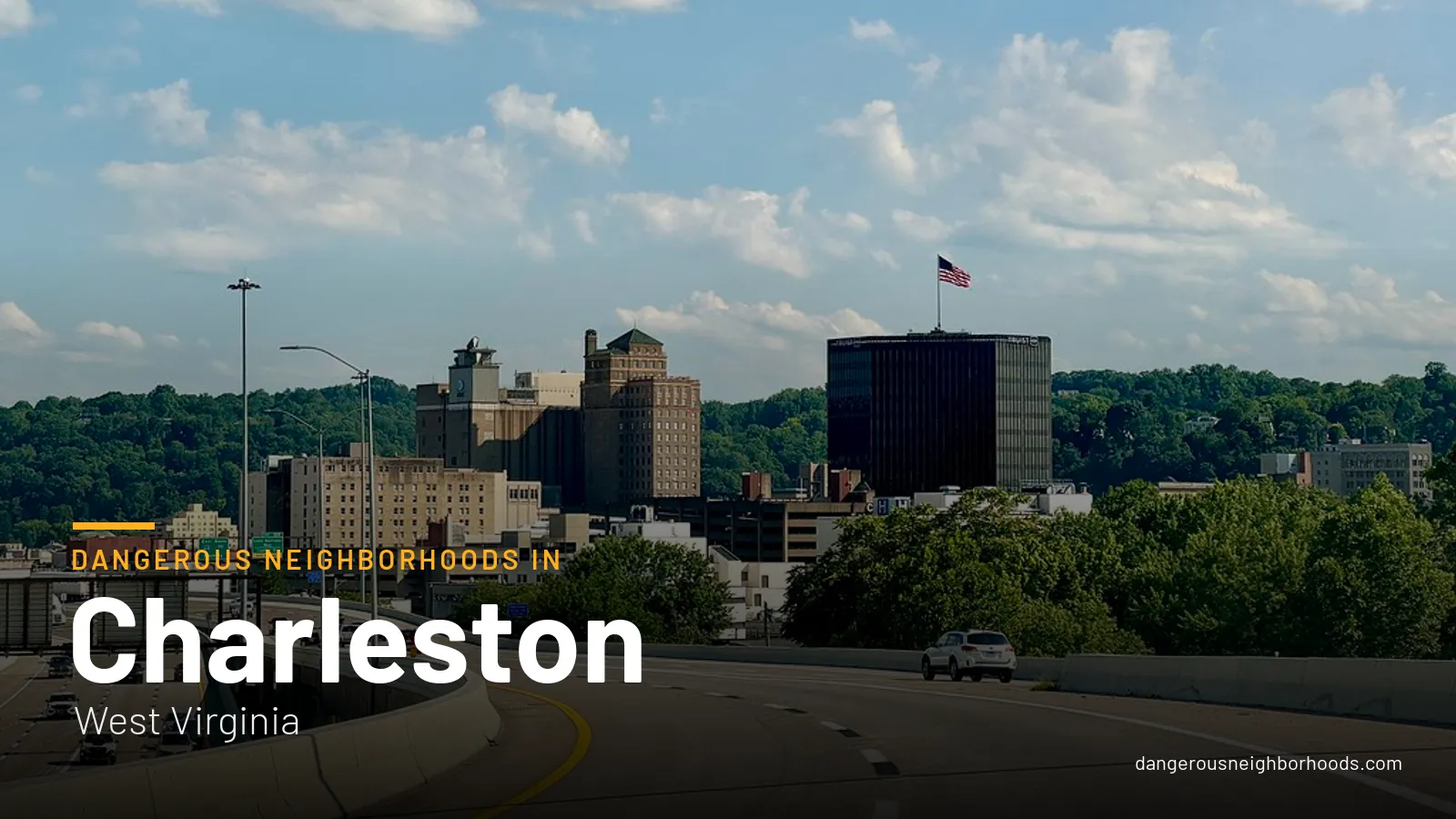
Charleston, the capital of West Virginia, is a relatively small Appalachian city with a historic downtown, attractive residential hills and a few areas where crime and urban problems are more noticeable. It is not a city where visitors need to be constantly looking over their shoulders, but neighborhood differences matter, particularly after dark.
The areas that deserve the most attention include parts of the West Side, Downtown and certain sections of the East End. These places have different problems, ranging from property crime and drug activity to occasional assaults and street-level disorder. Knowing which blocks to avoid is more useful than writing off entire neighborhoods.
So, is Charleston safe? Generally, yes, if you use ordinary urban precautions. However, crime figures are relatively high for a city of its size, and visitors should be selective about accommodation, parking and nighttime walking routes.
Why Charleston has some troubled neighborhoods
Charleston's security problems are connected to a combination of economic decline, population loss, drug addiction and uneven investment across its neighborhoods. The city has experienced the same pressures affecting many smaller industrial and Appalachian communities, including the loss of stable employment and the deterioration of some residential areas.
The opioid crisis has also affected Kanawha County. Drug trafficking, addiction and associated public disorder have placed additional pressure on certain streets and commercial areas. This does not mean every person struggling with addiction is dangerous, but visitors should understand that street-level drug activity can make particular locations uncomfortable.
An uneven recovery across the city
Charleston is not uniformly deteriorating. Downtown has seen planning and redevelopment efforts, while commercial districts such as Elk City on the West Side have attracted new businesses. The problem is that investment is not evenly distributed. A lively commercial block can be relatively close to streets with vacant properties, neglected buildings or visible social problems.
This contrast explains why broad neighborhood labels can be misleading. A visitor who spends an afternoon at a restaurant or shop may have a completely different experience from someone walking several blocks away late at night.
The neighborhoods that deserve the most caution in Charleston
There is no official police ranking identifying the five most dangerous neighborhoods in Charleston. The following assessment combines available neighborhood-level crime estimates, historical police reporting and the physical characteristics of each district. Treat these as areas requiring additional awareness, not as places where every street is dangerous.
Where to take extra care
Circles show approximate areas, not exact borders. Tap a zone for details.
West Side
The West Side is one of the first neighborhoods worth researching when looking at bad areas in Charleston. Located across the Elk River from Downtown, it contains residential streets, older housing and the increasingly popular Elk City commercial district.
Its reputation comes from uneven street conditions, property crime and social problems affecting some residential sections. Older housing, vacant properties and pockets of economic hardship contribute to a more complicated environment than the renovated commercial areas might suggest.
That distinction matters. Elk City has restaurants, independent businesses and places worth visiting. It would be inaccurate to describe the entire West Side as dangerous simply because some blocks have a poorer reputation.
For visitors, the sensible approach is to stick to active commercial streets, avoid exploring unfamiliar residential blocks late at night and use a vehicle or rideshare when moving between isolated destinations.
Third-party neighborhood estimates published in 2026 place the West Side above the Charleston neighborhood average for crime. These estimates are useful as an indication, although they should not be confused with an official police assessment of individual streets.
Downtown Charleston
Downtown is an interesting case because it is both one of the city's main attractions and an area where visitors should pay attention to their surroundings.
Capitol Street, the historic commercial center, has restaurants, bars, shops and cultural attractions. During business hours and popular events, the area generally has more pedestrian activity. However, quiet streets after closing time can feel considerably different.
Property crime, theft, occasional confrontations and visible drug-related problems are among the concerns associated with the broader central area. Empty commercial buildings and quieter blocks can also create opportunities for opportunistic theft.
Downtown receives relatively poor scores in some third-party neighborhood crime models. One 2026 estimate places it at the bottom of its eight-neighborhood Charleston comparison. That is a warning to investigate specific accommodation addresses, not proof that every part of Downtown is unsafe.
Visitors should be particularly careful around isolated parking areas, poorly lit streets and blocks with little pedestrian activity late at night. Capitol Street is not interchangeable with every street surrounding the central business district.
East End
The East End stretches east of the historic Downtown area and includes attractive residential streets, government buildings and parts of the State Capitol complex.
It is not generally considered one of the city's worst residential districts, but its character changes depending on the street. The presence of government offices, older housing and quieter residential sections creates different levels of activity throughout the day.
The Capitol grounds and surrounding institutional buildings are among the more recognizable parts of Charleston. However, walking further into less active residential sections at night requires the same awareness you would use in any unfamiliar urban area.
Available neighborhood estimates place East End below Downtown and West Side in overall safety rankings. Nevertheless, isolated incidents, theft and disorder can occur. It is better to assess the exact block than assume the entire district has the same risk.
North Charleston
North Charleston is another area that appears in neighborhood-level crime comparisons. It should not be confused with the much larger city of North Charleston in South Carolina.
Charleston's northern residential areas have a mixture of older properties, suburban-style housing and streets with varying levels of activity. The main concern is localized differences in conditions, rather than a single clearly defined dangerous zone.
For visitors, there is little reason to wander through unfamiliar residential streets without a specific destination. If you are considering a rental property, check recent incidents around its exact location and the availability of safe parking.
Areas around quieter commercial and parking locations
Not every security concern fits neatly into a neighborhood name. Some problems are associated with specific environments, including isolated parking lots, empty commercial properties and streets that lose pedestrian activity after businesses close.
These locations can present opportunities for vehicle break-ins and opportunistic theft. They are especially relevant to visitors carrying luggage, electronics or shopping bags in their cars.
Use well-lit parking facilities whenever possible, avoid leaving valuables visible and do not assume a location is safe simply because it is close to a popular attraction.
A quick comparison of Charleston's main areas
| Area | General risk assessment | Main concern |
|---|---|---|
| West Side | Elevated in some sections | Property crime and localized disorder |
| Downtown | Elevated, particularly on quieter blocks | Theft, street disorder and nighttime isolation |
| East End | Mixed, generally moderate | Isolated incidents and quieter streets |
| North Charleston | Mixed, street-dependent | Localized property crime |
| South Hills | Generally lower | Ordinary residential property crime |
| Kanawha City | Generally lower | Opportunistic theft and vehicle security |
Which is the most dangerous neighborhood in Charleston?
Based on the available neighborhood-level comparisons, Downtown Charleston is the area that currently stands out for its higher estimated overall crime levels.
One third-party crime model updated in September 2026 gives Downtown a C- safety grade and an overall crime index of 193. Its figures place the neighborhood above the city's estimated average and identify it as the weakest-performing area in its local comparison.
However, there is an important distinction between a neighborhood crime index and the actual likelihood of a visitor becoming a victim. Downtown includes several different environments, from active restaurant streets to quieter commercial blocks. Location and time of day make a substantial difference.
Citywide crime at a glance
How Charleston compares as a whole
Official FBI figures for the entire city, not a single neighborhood: offenses per 100,000 residents in 2023, reported by the Charleston Police Department. Crime is concentrated in a few areas, so most of the city sits well below these averages.
Violent crime
608 per 100k
1.6× the US rate
-11% since 2022
Murder, rape, robbery and aggravated assault · 282 offenses in 2023
Property crime
3,820 per 100k
2.0× the US rate
-15% since 2022
Burglary, theft, vehicle theft and arson · 1,772 offenses in 2023
Source: FBI Crime Data Explorer. Dashed line: US average. No complete data for 2021, 2024, 2025. Police jurisdiction may not match city limits exactly. How we use this data
The opioid crisis and its impact on street safety
One of the security issues that visitors may notice in Charleston is the visibility of drug addiction and the consequences of the opioid crisis. West Virginia has experienced a particularly serious overdose problem, and Kanawha County has not been immune.
Drug activity can contribute to public disorder, theft and confrontations, especially around locations where people congregate without much legitimate commercial activity. Visitors may encounter individuals behaving unpredictably or see discarded drug-related materials.
It is important to distinguish between visible poverty, addiction and actual criminal behavior. Someone appearing homeless is not automatically a threat. The sensible response is to maintain personal space, avoid confrontations and move away if a situation becomes aggressive.
How to respond if you encounter a street-level drug situation
- Keep a comfortable physical distance from confrontations or arguments.
- Do not interfere with suspected drug transactions or attempt to photograph people involved.
- Avoid touching discarded needles or other drug-related materials.
- Choose another route if a street or entrance feels uncomfortable.
- Call 911 if someone appears to be experiencing a life-threatening overdose or immediate medical emergency.
The important thing is not to panic. Most visitors will not encounter a serious confrontation, but awareness of the local drug crisis helps explain why some streets can feel less comfortable than others.
Top 8 practical safety tips for visiting Charleston
Charleston is manageable for visitors who take sensible precautions. These are the habits worth following, particularly if you are unfamiliar with the city's neighborhoods.
- Research your accommodation. Check the exact street and surrounding blocks rather than relying exclusively on a hotel's neighborhood description.
- Keep valuables out of sight. Never leave laptops, phones, luggage or shopping bags visible inside a parked vehicle.
- Choose parking carefully. Prefer well-lit and established parking facilities over isolated spaces.
- Stay on active streets. When walking Downtown, prioritize streets with open businesses and other pedestrians.
- Use rideshare when necessary. A short Uber or Lyft journey is often preferable to walking through unfamiliar areas late at night.
- Avoid unnecessary confrontations. Do not argue with intoxicated or aggressive strangers.
- Protect your phone. Avoid displaying expensive electronics unnecessarily, especially in quiet public spaces.
- Check current local conditions. Crime patterns change, so recent police information is more useful than an old online reputation.
Do's and Don'ts
Do
- Use familiar routes when exploring the city after dark.
- Lock your vehicle whenever you leave it, even for a few minutes.
- Keep emergency contacts and accommodation details accessible.
Don't
- Explore deserted streets simply out of curiosity late at night.
- Leave valuables exposed in rental cars.
- Assume every block is safe because the surrounding neighborhood has a good reputation.
Charleston emergency numbers and getting around safely
Knowing how to get assistance is part of travelling responsibly. Charleston has conventional American emergency services, and visitors should understand the difference between an emergency and a non-urgent police matter.
- Emergency911 – Police, fire and ambulance services for emergencies.
- EmergencyCharleston Police Department – Local law enforcement and non-emergency assistance.
- MedicalAmbulance services – Request medical assistance through 911 when someone needs urgent attention.
- Getting aroundUber and Lyft – Useful for avoiding long walks through unfamiliar residential areas.
- Getting aroundSecure parking – Choose established garages and well-lit facilities whenever practical.
- AppsMobile navigation – Use a navigation application to plan routes and avoid unnecessary detours.
Charleston is a relatively compact city, but its rivers, bridges, hills and road layout can make walking between destinations less straightforward than it appears on a map. Plan your route beforehand, especially if you are returning to your accommodation late.
For non-emergency information, consult the City of Charleston and its police department resources. For immediate threats, always call 911 rather than relying on an online contact form.
Is Charleston safe at night?
Charleston is not a city where the entire downtown area becomes dangerous after sunset. Restaurants, entertainment venues and some commercial streets continue to attract people during the evening. However, the atmosphere changes once businesses close and pedestrian activity declines.

Quiet streets deserve more caution than busy commercial areas. This is particularly relevant in parts of Downtown and the West Side, where the distance between active businesses and isolated residential blocks can be relatively short.
If you are going out for dinner or drinks, plan your return journey before leaving. Avoid walking long distances through unfamiliar areas after midnight, particularly alone. Rideshare services are a practical alternative.
There are also differences between weekdays and weekends. Downtown can be noticeably quieter on certain weekday evenings, while restaurants and entertainment venues may generate more activity on Friday and Saturday nights.
The safest neighborhoods in Charleston for visitors
Fortunately, Charleston has several residential areas that offer a more comfortable environment for visitors. The safest choice depends on your budget, transportation needs and proximity to the attractions you want to explore.
South Hills
South Hills is one of the strongest choices for visitors prioritizing residential comfort. Located across the Kanawha River, this area is known for its attractive homes, green surroundings and relatively quiet residential atmosphere.
Its hillside location creates a different environment from the central business district. There is less urban congestion and a more residential character, making it appealing for families and travellers with rental vehicles.
The main disadvantage is transportation. Streets can be steep and winding, so having a car is useful if you intend to explore several parts of Charleston.
Kanawha City
Kanawha City is another good option, particularly for people who want a residential location without being too far from the city center.
The neighborhood has shops, restaurants and residential streets, along with convenient access to the wider Charleston area. Third-party crime comparisons consistently place it among the better-performing neighborhoods.
Its practical location makes it a sensible accommodation option for visitors who want to balance convenience and a quieter environment.
Edgewood
Edgewood is an attractive residential neighborhood with older homes and a quieter atmosphere. Its hillside setting and predominantly residential character distinguish it from the busier central districts.
It is worth considering if you prefer a quieter place to stay rather than being within walking distance of Downtown nightlife. As with any residential neighborhood, check the exact property and its parking arrangements.
Oakridge and Greenbrier
Oakridge and Greenbrier are generally more suburban in character. They offer a residential environment away from some of the busier streets in central Charleston.
These areas can work well for visitors who have a car and prioritize quiet accommodation and convenient parking. Their main drawback is the additional travel required to reach restaurants and attractions in the center.
Overall, South Hills and Kanawha City are two particularly sensible starting points when comparing accommodation in Charleston.
Safety for solo travelers and families in Charleston
Charleston can be a perfectly reasonable destination for solo travellers, couples and families. The main consideration is choosing accommodation and activities that match your travel style.
Solo visitors should be especially careful about returning to accommodation after dark. Share your itinerary with someone you trust, keep your phone charged and use established transport services rather than walking through unfamiliar streets.
Families should focus on accommodation with secure parking, convenient access to restaurants and attractions, and a location that does not require long nighttime walks.
For women travelling alone, the same basic precautions apply, with additional attention to rideshare identification, drink supervision and avoiding isolated routes. There is no reason to avoid Charleston solely because you are travelling alone, but sensible planning makes a difference.
Understanding the local parking and vehicle theft risks
One issue worth taking seriously in Charleston is property crime involving vehicles. Travellers often underestimate how attractive a rental car can be to opportunistic thieves, especially when it contains luggage, electronics or shopping.
Vehicle break-ins and theft are different crimes, but both can create serious problems during a trip. A stolen bag can mean lost passports, bank cards and travel documents, while a damaged rental vehicle can lead to insurance complications.
Before leaving your vehicle, check that all doors are locked and windows are fully closed. Avoid leaving important documents or spare keys inside the car.
When booking accommodation, check whether parking is on-site, gated or monitored. A convenient parking arrangement is often more valuable than saving a few dollars on the nightly rate.
How a fake parking payment scam can catch visitors
Parking-related scams are worth understanding when travelling around unfamiliar American cities. One method involves fraudulent payment instructions placed on parking signs or machines, sometimes using a QR code that redirects drivers to a fake payment website.
This is a general travel security warning, not a claim that this particular scam is widespread in Charleston. The important thing is knowing how the trick works before encountering it.
- You find a parking space. The sign or machine appears to offer a convenient online payment option.
- You scan a QR code. Instead of reaching the legitimate parking operator, you are redirected to a fraudulent website.
- You enter payment details. The page requests your card information and possibly other personal details.
- The scammers capture your information. They may use the details for unauthorized transactions or other fraudulent activity.
- You discover the problem later. The parking payment may never have reached the actual operator.
To avoid this problem, use the official payment application or website identified by the parking operator. Check the web address carefully and be suspicious of stickers covering original instructions.
Never enter card details into an unfamiliar website simply because a QR code appears on a parking sign.
Frequently asked questions about safety in Charleston
These answers cover the most common concerns when deciding where to stay and which parts of the city to visit.
Is Charleston, West Virginia, dangerous for tourists?
Charleston is not exceptionally dangerous for tourists, but its crime levels warrant some caution. Most visitors can explore the main attractions without problems by choosing accommodation carefully, securing their vehicles and avoiding isolated streets late at night. Ordinary urban precautions are generally sufficient.
What is the most dangerous neighborhood in Charleston?
Downtown currently stands out in some third-party neighborhood crime comparisons, followed by the West Side. However, crime varies considerably between individual streets. These rankings should be treated as indicators rather than official police determinations.
Is it safe to walk around Downtown Charleston at night?
Some central streets remain active and are reasonably suitable for evening walks, especially around restaurants and entertainment venues. However, quieter blocks and isolated parking areas deserve additional caution. Use rideshare services if you need to travel through unfamiliar areas late at night.
Where is the safest area to stay in Charleston?
South Hills and Kanawha City are two of the strongest options for visitors seeking a quieter residential environment. Edgewood and Oakridge/Greenbrier are also worth considering. Check the exact accommodation address and parking arrangements before booking.
Charleston is worth visiting if you know where to go
Charleston has plenty to offer beyond its reputation for economic and social challenges. The State Capitol, the Kanawha River, historic buildings and local restaurants make it an interesting stop for anyone exploring West Virginia.
The key is understanding that not all neighborhoods are alike. Downtown and parts of the West Side deserve more attention, while South Hills, Kanawha City and Edgewood offer more appealing residential environments for many visitors.
There is no need to approach the city with fear or avoid it altogether. Choose your accommodation carefully, keep your belongings secure and use common sense when exploring after dark. Charleston is a manageable destination, and a little preparation will allow you to enjoy its best side without unnecessary problems.
This guide is general safety information, not a guarantee of safety. Conditions change; check local news and official sources before you go. In an emergency, call 911.